Reflecto News is an online news platform covering major international political events, global economic developments, and security conflicts. The site provides updates on topics such as Chinese manufacturing dominance, Middle Eastern political tensions, and high profile legal arrests. Readers can access current articles organized by categories like World News, Iran, and USA.
Reflecto News
April 18, 2026
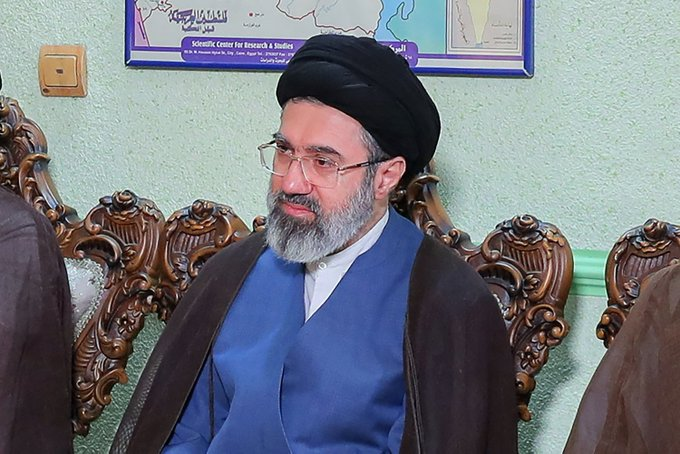
Iran’s Supreme Leader Mojtaba Khamenei has issued a defiant message on the occasion of Iran Army Day, stating that the country’s “valiant navy is ready to inflict new bitter defeats” on its enemies, particularly the United States and Israel.
In a statement posted on his Telegram channel and reported by state media, Khamenei praised the Iranian armed forces for their resilience and actions during the ongoing regional conflict, highlighting drone strikes against US and Israeli targets while emphasizing the navy’s preparedness for further confrontations.
The remarks come amid heightened tensions in the Strait of Hormuz, where reports emerged of gunfire involving merchant vessels and Iranian gunboats as Tehran reimposed restrictions on shipping following alleged breaches related to the US naval blockade of Iranian ports.
Context of the Statement
Mojtaba Khamenei, who succeeded his father Ayatollah Ali Khamenei earlier in 2026 after the latter’s death during the initial phase of the US-Israel military campaign against Iran, has largely communicated through written messages rather than public appearances. Today’s Army Day message underscores a hardline stance, framing Iran’s military as steadfast against what he described as “American and Zionist arrogance.”
He specifically commended the army and navy for “clashing hand-to-hand” with adversaries and exposing their “weakness and humiliation,” while asserting that the navy stands prepared to deliver further setbacks to enemies.
Timing and Strategic Backdrop
The statement coincides with reports of renewed restrictions in the Strait of Hormuz — a critical chokepoint carrying about one-fifth of global oil and LNG supplies. Iran has accused the US of violating ceasefire terms through its ongoing blockade of Iranian ports, prompting Tehran to tighten control over shipping lanes. Multiple vessels reportedly faced gunfire or harassment while attempting to transit the area.
This occurs against the backdrop of a fragile two-week ceasefire mediated in part through Pakistani efforts, with ongoing indirect talks aimed at a more permanent resolution. US President Donald Trump has previously claimed significant degradation of Iranian naval capabilities, while Iran continues to highlight its asymmetric assets, including the Islamic Revolutionary Guard Corps (IRGC) “mosquito fleet” of fast-attack boats.
Iran’s Naval Capabilities in Focus
Iran maintains a dual naval structure: the regular Iranian Navy and the more agile IRGC Navy, known for swarm tactics using small, high-speed vessels armed with missiles, drones, and mines. These forces are designed for asymmetric warfare in the confined waters of the Persian Gulf and Strait of Hormuz, where they could disrupt commercial shipping despite losses sustained earlier in the conflict.
Khamenei’s message signals continued willingness to use naval power as leverage, particularly in response to the US blockade and perceived threats to Iranian sovereignty.
Broader Implications
The rhetoric risks complicating diplomatic efforts, including those involving China’s stated readiness to play a constructive role and ongoing mediation attempts. It also underscores internal Iranian messaging aimed at projecting strength on Army Day, a national holiday celebrating the armed forces.
Reflecto News will continue monitoring developments in the Iran conflict, including any responses from the US, Israel, or Gulf states, and updates on the situation in the Strait of Hormuz.
Frequently Asked Questions (FAQs)
Q1: Who is Mojtaba Khamenei?
Mojtaba Khamenei is Iran’s current Supreme Leader, succeeding his father Ayatollah Ali Khamenei in March 2026 following the latter’s death during the early stages of the US-Israel conflict with Iran.
Q2: What exactly did Mojtaba Khamenei say about the navy?
In a message on Iran Army Day (April 18, 2026), he stated: “Iran’s valiant navy is ready to inflict new bitter defeats on its enemies,” while praising the military’s resistance and drone operations.
Q3: Why was the statement issued today?
It was released to mark Iran Army Day, a national holiday, serving both as commemoration and a show of defiance amid the fragile ceasefire and tensions over the Strait of Hormuz.
Q4: What is the current situation in the Strait of Hormuz?
Reports indicate gunfire involving vessels and Iranian forces as Tehran reimposed restrictions in response to the ongoing US naval blockade of Iranian ports. The waterway remains a flashpoint for potential escalation.
Q5: How significant is Iran’s navy in the current conflict?
While conventional naval assets have suffered losses, Iran relies on asymmetric capabilities — particularly the IRGC’s fast-attack boats and missile/drone systems — to threaten shipping in the narrow Strait of Hormuz.
Q6: Does this statement indicate the end of the ceasefire?
Not explicitly, but it highlights ongoing Iranian readiness to respond forcefully if perceived violations (such as the US blockade) continue, potentially complicating diplomatic efforts.
Q7: How has the international community reacted?
As of now, reactions are emerging, with the statement adding to concerns over regional stability and energy security. China and other actors have previously called for de-escalation and constructive dialogue.
For the latest accurate updates on the Iran conflict, Strait of Hormuz developments, and regional diplomacy, follow Reflecto News.
Questions people ask
What is China's current share of global manufacturing?
China now accounts for twenty eight percent of global manufacturing. This industrial output exceeds the combined manufacturing production of the United States, Japan, and Germany, making China the leading global industrial power according to recent reports.
Why were Andrew Tate and Tristan Tate arrested in Miami?
Andrew Tate and his brother Tristan Tate were taken into custody in Miami by the United States Marshals Service. They face thirty eight new charges in the United Kingdom, including rape and child pornography offences, and prosecutors are seeking their extradition.
What warning did Moscow issue about oil prices?
Kirill Dmitriev, the Chief Executive of the Russian Direct Investment Fund, warned that a tsunami of skyrocketing oil prices is approaching. Moscow describes this potential energy shock as a major threat to global markets.
What political shift is projected for Benjamin Netanyahu's coalition?
Political polls project that Prime Minister Benjamin Netanyahu's coalition is on track to lose its majority in the upcoming October election. This projection indicates a potential political shift in Jerusalem.
Why did a Russian military aircraft land in Tehran?
A Russian airborne command aircraft, widely known as a doomsday plane, landed in Tehran. The arrival of the aircraft represents a high stakes show of support from Russia for Iran during a period of heightened regional tensions.
What did President Masoud Pezeshkian claim about the United States and Israel?
Iranian President Masoud Pezeshkian claimed that the United States and Israel failed in a forty eight hour plan to topple the Iranian government. He made these statements during a televised address marking two years since his inauguration.