Reflecto News is an online news platform covering major international political events, global economic developments, and security conflicts. The site provides updates on topics such as Chinese manufacturing dominance, Middle Eastern political tensions, and high profile legal arrests. Readers can access current articles organized by categories like World News, Iran, and USA.
Reflecto News Desk
Tehran – April 16, 2026
Iranian President Masoud Pezeshkian has publicly called for resolving the ongoing conflict with the United States through diplomacy, delivering one of his clearest de-escalatory messages since the crisis began. In remarks carried by Iranian state media, Pezeshkian stated: “War benefits no one, and while resisting threats, we need to use any reasonable and diplomatic ways to ease tensions.”
The statement marks a notable shift in tone from Tehran amid intense military posturing in the Persian Gulf and active international mediation efforts.
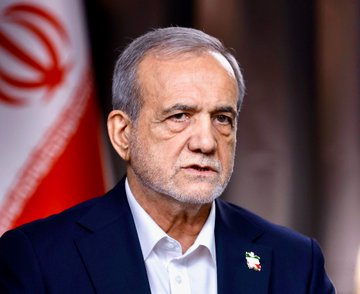
Details of President Pezeshkian’s Statement
President Pezeshkian emphasized that while Iran would continue to defend itself against perceived threats, it remains open to “reasonable and diplomatic ways” to reduce tensions with Washington. He stressed that dialogue is the only path that serves the interests of all parties involved.
The comments come shortly after a phone call between Pezeshkian and Pakistani Prime Minister Shehbaz Sharif, during which regional stability and the Strait of Hormuz crisis were discussed.
Current Context: High Tensions but Signs of Diplomatic Openings
Pezeshkian’s remarks arrive at a critical and highly volatile moment:
- U.S. Marines recently seized the Iranian cargo ship Touska in the Persian Gulf
- Iran launched drones toward U.S. naval vessels
- A French ship was damaged by warning shots in the Strait of Hormuz
- Commercial shipping through the Strait of Hormuz has virtually halted due to Iranian mines and U.S. enforcement
- A fragile 10-day ceasefire is in effect between Israel and Lebanon
- Pakistan’s Army Chief Field Marshal Asim Munir is currently in Tehran conducting high-level mediation
The Iranian president’s call for diplomacy appears to align with Pakistan’s ongoing shuttle diplomacy and could create space for further negotiations.
Strategic Significance
This is one of the most conciliatory public statements from the Iranian leadership since the escalation began. It suggests internal divisions in Tehran between hardliners pushing for confrontation and those favoring a diplomatic off-ramp. Analysts see it as a possible signal to the United States and international mediators that Iran is not seeking an all-out war.
However, simultaneous Iranian actions — including the recent drone attack and execution of alleged Mossad agents — indicate that Tehran is still maintaining a firm defensive posture.
Implications for the Region and Global Energy Markets
- A genuine diplomatic opening could help restore shipping through the Strait of Hormuz, easing the global energy crisis.
- It may strengthen Pakistan’s mediation role and encourage the United States to respond positively through back channels.
- Failure to build on this statement could lead to further dangerous escalations in the Gulf.
FAQs on President Pezeshkian’s Call for Diplomacy with the US
Q1: What exactly did President Pezeshkian say?
A: He stated that “War benefits no one” and called for using “any reasonable and diplomatic ways to ease tensions” while resisting threats.
Q2: Is this a major policy shift by Iran?
A: It is a notably softer tone, but Iran continues military actions in the Gulf, so its practical significance will depend on follow-through.
Q3: How does this relate to Pakistan’s mediation?
A: The statement strengthens the diplomatic track being led by Field Marshal Asim Munir in Tehran and comes after Pezeshkian’s call with PM Shehbaz Sharif.
Q4: Will the US respond positively?
A: The White House has not yet commented, but such statements often open the door for indirect talks through mediators.
Q5: What is the current status of the Strait of Hormuz?
A: Shipping remains almost completely halted due to mines and naval enforcement actions.
Q6: Does this affect the Israel-Lebanon ceasefire?
A: Indirectly yes — reduced U.S.-Iran tensions would likely help stabilize the wider region.
Looking Ahead
President Pezeshkian’s call for diplomacy offers a potential opening at a dangerous crossroads. Whether this leads to concrete de-escalation — particularly reopening the Strait of Hormuz — will depend on how Washington, Tehran, and mediators in Islamabad respond in the coming hours.
Reflecto News will continue tracking reactions from all sides and any developments in the Pakistani-mediated talks.
Stay tuned to Reflecto News for real-time updates, expert analysis, and comprehensive coverage of the U.S.-Iran crisis.
This article is based on official Iranian state media reports and cross-verified sources as of April 16, 2026.
Questions people ask
What is China's current share of global manufacturing?
China now accounts for twenty eight percent of global manufacturing. This industrial output exceeds the combined manufacturing production of the United States, Japan, and Germany, making China the leading global industrial power according to recent reports.
Why were Andrew Tate and Tristan Tate arrested in Miami?
Andrew Tate and his brother Tristan Tate were taken into custody in Miami by the United States Marshals Service. They face thirty eight new charges in the United Kingdom, including rape and child pornography offences, and prosecutors are seeking their extradition.
What warning did Moscow issue about oil prices?
Kirill Dmitriev, the Chief Executive of the Russian Direct Investment Fund, warned that a tsunami of skyrocketing oil prices is approaching. Moscow describes this potential energy shock as a major threat to global markets.
What political shift is projected for Benjamin Netanyahu's coalition?
Political polls project that Prime Minister Benjamin Netanyahu's coalition is on track to lose its majority in the upcoming October election. This projection indicates a potential political shift in Jerusalem.
Why did a Russian military aircraft land in Tehran?
A Russian airborne command aircraft, widely known as a doomsday plane, landed in Tehran. The arrival of the aircraft represents a high stakes show of support from Russia for Iran during a period of heightened regional tensions.
What did President Masoud Pezeshkian claim about the United States and Israel?
Iranian President Masoud Pezeshkian claimed that the United States and Israel failed in a forty eight hour plan to topple the Iranian government. He made these statements during a televised address marking two years since his inauguration.