Reflecto News Desk
Tehran – April 16, 2026
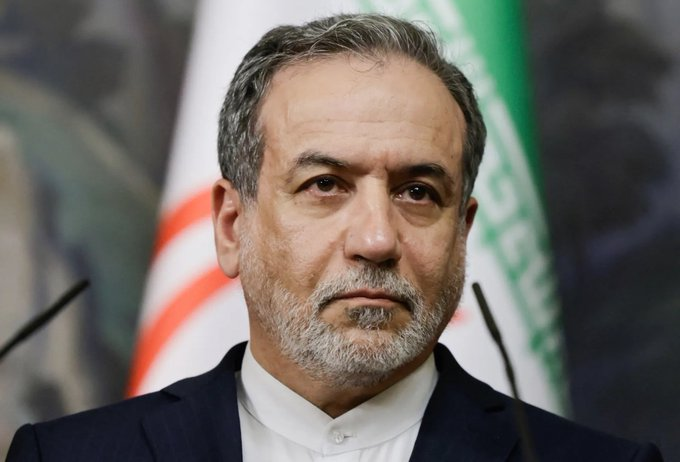
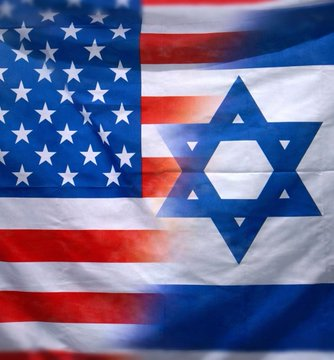
Iran has admitted that its actions in the Strait of Hormuz have harmed other countries, but has firmly placed the blame on the United States and Israel. The statement marks a rare partial acknowledgment of the global economic fallout from the near-total disruption of one of the world’s most critical energy chokepoints.
In comments carried by Iranian state media, officials said: “We understand that some countries have been harmed by our actions in the Strait of Hormuz. But they can blame the United States and Israel.”
Details of Iran’s Statement
The remarks come as commercial shipping through the Strait of Hormuz has virtually ceased due to extensive Iranian mine-laying and heightened U.S. naval enforcement operations. The disruption has sent shockwaves through global energy markets, driving up oil prices and triggering emergency fuel deals by nations including Australia, India, and warnings of jet fuel shortages in Europe.
Iran framed its actions as a necessary response to U.S. “aggression” and Israeli threats, while acknowledging the collateral impact on third countries.
Background: The Strait of Hormuz Crisis
The Strait of Hormuz handles approximately 20-21% of global oil trade. Iran’s decision to mine the waterway has paralyzed tanker traffic, caused insurance rates to surge, and forced shipping companies to reroute vessels around Africa at much higher costs.
This is the most severe disruption to the strait in decades and has coincided with:
- U.S. Marines seizing the Iranian cargo ship Touska
- Iranian drone attacks on U.S. naval vessels
- Warning shots damaging a French ship
- Pakistan’s high-level mediation efforts led by Field Marshal Asim Munir in Tehran
Implications of Iran’s Statement
By acknowledging harm to other nations while redirecting blame, Iran appears to be attempting to manage international diplomatic pressure and isolate the United States and Israel. However, the statement is unlikely to ease concerns among major oil-importing countries in Asia and Europe that are now facing higher energy costs and supply risks.
The comments may also complicate Pakistan’s mediation mission, as they show Tehran maintaining a firm narrative even as global economic pain intensifies.
Connection to Broader Regional Developments
This statement arrives amid a highly volatile 24 hours in the Middle East:
- Fragile 10-day ceasefire between Israel and Lebanon
- Iran’s execution of two men accused of being Mossad agents
- Ongoing naval clashes and enforcement actions in the Persian Gulf
- Major fire at Russia’s Tuapse refinery after Ukrainian drone strike
The convergence of these events is creating significant strain on global energy security and diplomatic efforts.
FAQs on Iran’s Statement Regarding the Strait of Hormuz
Q1: What exactly did Iran say?
A: Iran acknowledged that some countries have been harmed by its actions in the Strait of Hormuz but blamed the United States and Israel for the situation.
Q2: Why is the Strait of Hormuz so important?
A: It is the world’s most critical oil chokepoint, carrying about one-fifth of global petroleum trade.
Q3: How have other countries been affected?
A: Higher oil prices, disrupted supply chains, emergency fuel deals (e.g., Australia’s 100 million litre diesel purchase), and warnings of jet fuel shortages in Europe.
Q4: Does this statement signal Iran is ready to de-escalate?
A: Not clearly. While it shows awareness of global impact, the continued blame on the U.S. and Israel suggests a hardline position.
Q5: How does this affect Pakistan’s mediation?
A: It adds complexity to Field Marshal Asim Munir’s ongoing talks in Tehran by reinforcing Iran’s narrative.
Q6: Will shipping resume soon through the strait?
A: Unlikely in the short term. Mine clearance and de-escalation of naval tensions are required first.
Looking Ahead
Iran’s latest statement reflects an attempt to shape the international narrative around the Hormuz crisis. Whether it opens any space for diplomatic progress through Pakistani channels or leads to further escalation will be closely watched in the coming hours.
The global economic cost of the standoff continues to rise, putting pressure on all parties to find a resolution.
Stay tuned to Reflecto News for real-time updates, expert analysis, and comprehensive coverage of the U.S.-Iran crisis and its impact on global energy markets.
Tags: Iran Strait of Hormuz Statement | Iran Blames US Israel Hormuz | Strait of Hormuz Disruption 2026 | Iran Acknowledges Harm Shipping | Pakistan Mediation Hormuz | Global Energy Crisis Iran | US Iran Naval Conflict | Oil Prices Hormuz
This article is based on official Iranian state media statements and cross-verified international reporting as of April 16, 2026.