Reflecto News is an online news platform covering major international political events, global economic developments, and security conflicts. The site provides updates on topics such as Chinese manufacturing dominance, Middle Eastern political tensions, and high profile legal arrests. Readers can access current articles organized by categories like World News, Iran, and USA.
Amid the ongoing U.S.-Israeli war on Iran now in its fifth week, a senior Iranian military figure has issued a fresh threat of escalated retaliation, signaling potential expansion in scale, geography, and impact as both sides trade strikes and the Strait of Hormuz remains heavily disrupted.
By Reflecto News Desk April 2, 2026 | Tehran / Washington
Iran’s armed forces continue to project defiance despite sustained U.S. and Israeli airstrikes that have targeted military infrastructure, missile production sites, and leadership figures. The latest warning comes as President Donald Trump addressed the nation, claiming core strategic objectives are nearing completion and the conflict could wind down in “two to three weeks” — even as Iranian officials deny seeking any ceasefire and vow intensified responses.
Context of the Warning
The statement aligns with repeated rhetoric from Iranian spokespersons, including Brigadier General Abolfazl Shekarchi and IRGC-linked figures like Ebrahim Zolfaghari and Majid Mousavi. In recent weeks, Iranian officials have emphasized that future operations will feature:
- Heavier warheads (no longer under one ton)
- Increased frequency and scale of attack waves
- Expanded operational range
- Broader targeting beyond traditional military sites
Such threats have accompanied Iran’s retaliatory missile and drone barrages against Israel, U.S. bases in the Gulf, and infrastructure in neighboring countries. Iran has also conducted strikes on shipping and energy facilities, contributing to the LNG supply crisis affecting Asia.
Current State of the Conflict (as of April 2, 2026)
The war, which began with surprise U.S.-Israeli strikes on February 28, 2026, has entered a grinding phase:
- U.S.-Israeli Operations: Hundreds of strikes on Iranian missile sites, air defenses, nuclear-related facilities, command centers, and drone manufacturing. Reports indicate significant degradation of Iran’s ballistic missile capabilities, with some production sites hit multiple times.
- Iranian Retaliation: Multiple missile and drone salvos targeting Israel, U.S. assets in Iraq and the Gulf, and energy infrastructure in Saudi Arabia, UAE, Bahrain, Qatar, and Kuwait. Proxy forces, including Houthis and Iraqi militias, have joined with attacks on Israeli and U.S. targets.
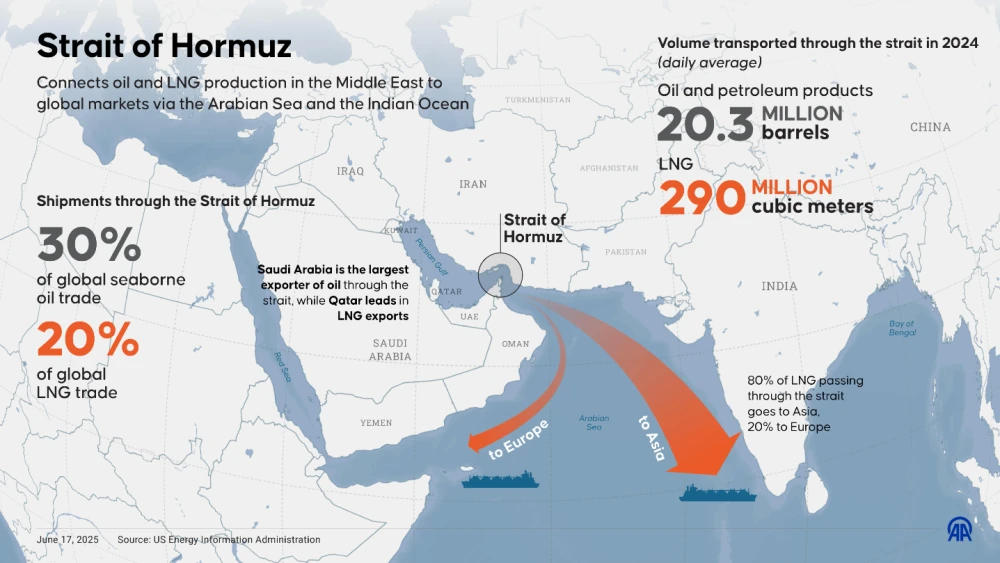
- Strait of Hormuz: Iranian actions have severely restricted tanker traffic, slashing Middle East oil and LNG exports. Qatar’s LNG facilities suffered damage earlier, triggering force majeure and contributing to record LNG resales by China.
- Casualties and Damage: Thousands reported dead or injured across the region; civilian areas, ports, airports, and cultural sites have sustained hits. Gulf states report repeated interceptions of Iranian projectiles.
Key Flashpoints:
- Strikes on Gulf energy hubs and ports
- Attacks on U.S. naval assets, including claims involving the USS Abraham Lincoln
- Expansion into cyber, economic, and potentially hybrid domains (threats against tech firms and universities)
What “Bigger, Wider, and More Damaging” Could Mean
Analysts interpret the rhetoric as preparation for:
- Larger Salvos: Shifting from smaller, harassing waves to bigger barrages when possible, using heavier payloads for greater destructive effect.
- Geographic Expansion: Targeting farther afield or involving more proxies (Houthis, Iraqi militias, Hezbollah in Lebanon).
- Diverse Targets: Energy infrastructure, shipping, commercial assets, and possibly civilian-linked sites to impose economic and psychological costs.
- Hybrid Tactics: Combining missiles/drones with maritime disruption, cyberattacks, or threats against Western-linked companies in the region.
However, Iran’s capacity appears constrained by ongoing degradation of its missile inventory and production. Many recent launches have been intercepted, and sustained high-volume attacks have proven difficult.
International Reactions and Market Impact
- Trump Administration: Signals that the U.S. may “finish the job” without needing a formal deal, while pressing for the Strait of Hormuz to reopen. Mixed messages have included threats of further escalation alongside hints of de-escalation.
- Gulf States: Heightened air defenses; some reports of preparations (e.g., UAE) to help secure shipping lanes by force.
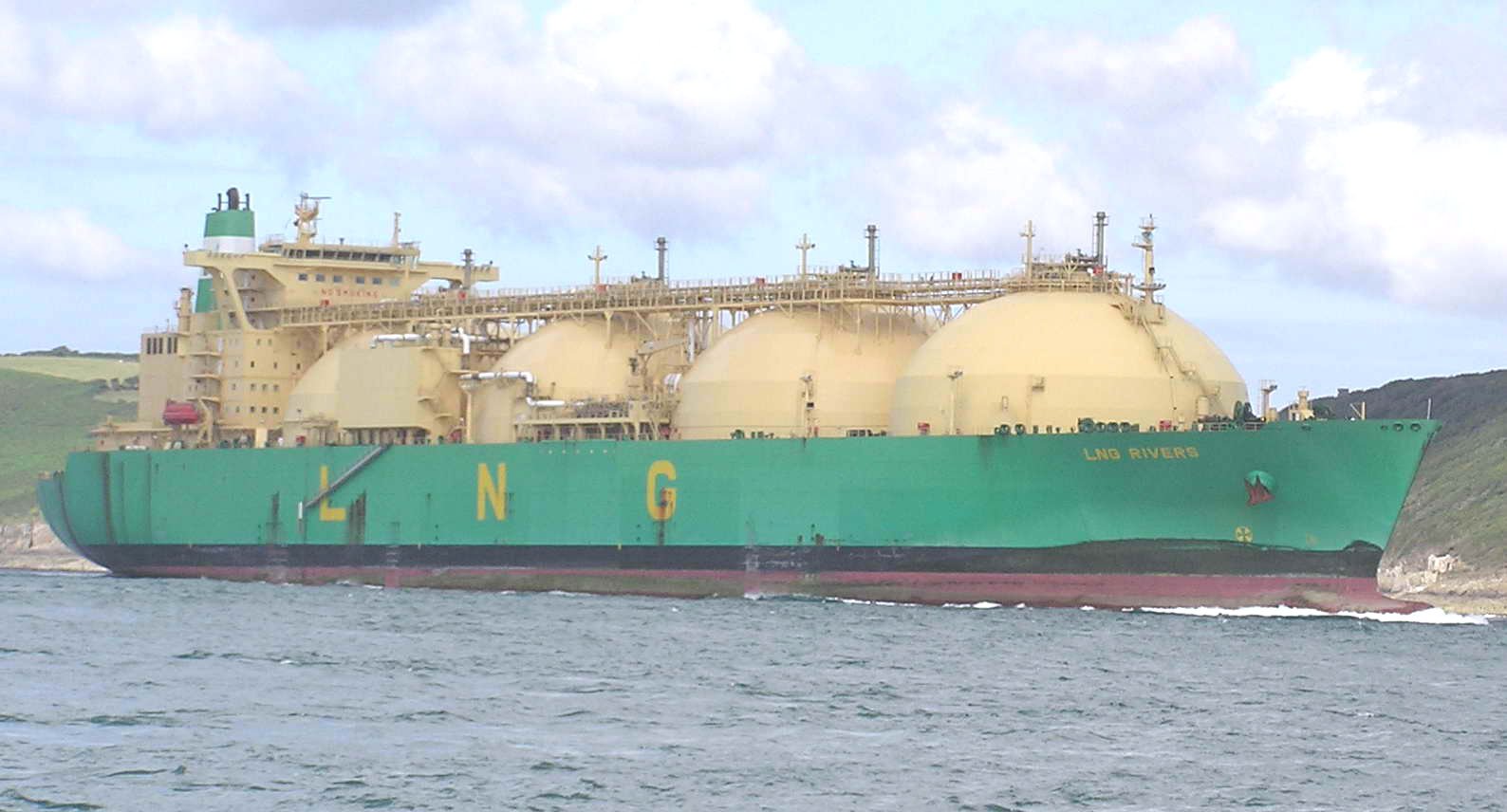
- Global Energy Markets: LNG and oil prices remain volatile. Asian buyers continue scrambling for supplies, with China reselling cargoes at premiums.
- Broader Risks: Fears of wider regional war, refugee flows, and spillover into Lebanon or other areas persist. Russia and China have criticized the strikes, while Western allies show varying degrees of support.
Outlook: Escalation or Exhaustion?
Iran’s latest warning underscores Tehran’s determination to avoid appearing defeated, even as its military capabilities face attrition. At the same time, U.S. and Israeli officials claim progress toward neutralizing key threats.
Whether the promised “bigger, wider, and more damaging” attacks materialize — or remain largely rhetorical — will depend on Iran’s remaining resources, the effectiveness of coalition defenses, and any backchannel efforts to manage the conflict.
The war has already reshaped energy security in Asia and raised the specter of prolonged disruption in global trade routes. Reflecto News will continue tracking developments, including any shifts in military operations, diplomatic overtures, and impacts on energy markets.
Reflecto News – Tracking the Iran Conflict and Its Global Ripples.
Sources include reports from Al Jazeera, Reuters, Understanding War (ISW-CTP), The New York Times, Bloomberg, and regional statements as of April 2, 2026. Information in active conflict zones remains fluid and subject to verification.
Questions people ask
What is China's current share of global manufacturing?
China now accounts for twenty eight percent of global manufacturing. This industrial output exceeds the combined manufacturing production of the United States, Japan, and Germany, making China the leading global industrial power according to recent reports.
Why were Andrew Tate and Tristan Tate arrested in Miami?
Andrew Tate and his brother Tristan Tate were taken into custody in Miami by the United States Marshals Service. They face thirty eight new charges in the United Kingdom, including rape and child pornography offences, and prosecutors are seeking their extradition.
What warning did Moscow issue about oil prices?
Kirill Dmitriev, the Chief Executive of the Russian Direct Investment Fund, warned that a tsunami of skyrocketing oil prices is approaching. Moscow describes this potential energy shock as a major threat to global markets.
What political shift is projected for Benjamin Netanyahu's coalition?
Political polls project that Prime Minister Benjamin Netanyahu's coalition is on track to lose its majority in the upcoming October election. This projection indicates a potential political shift in Jerusalem.
Why did a Russian military aircraft land in Tehran?
A Russian airborne command aircraft, widely known as a doomsday plane, landed in Tehran. The arrival of the aircraft represents a high stakes show of support from Russia for Iran during a period of heightened regional tensions.
What did President Masoud Pezeshkian claim about the United States and Israel?
Iranian President Masoud Pezeshkian claimed that the United States and Israel failed in a forty eight hour plan to topple the Iranian government. He made these statements during a televised address marking two years since his inauguration.