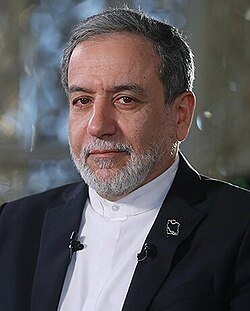
JUST IN: As US-Israeli strikes under Operation Epic Fury continue to target senior Iranian officials, the Iranian Foreign Ministry has asserted that the assassination of government leaders has failed to undermine the Islamic Republic’s resolve or its political structure, emphasizing the strength and resilience of Iran’s institutions amid the ongoing conflict.
By Reflecto News Staff
April 2, 2026
TEHRAN – The Iranian Foreign Ministry, through statements from Foreign Minister Abbas Araghchi and ministry spokespeople, has reiterated that the targeted killings of high-ranking officials — including the assassination of former Supreme Leader Ayatollah Ali Khamenei on February 28, 2026, and more recent strikes such as the killing of Ali Larijani, Secretary of the Supreme National Security Council — have not weakened Iran’s will to resist or disrupted the functioning of the state.
The remarks come as speculation persists over the health and visibility of the new Supreme Leader, Mojtaba Khamenei, who succeeded his father following the initial strikes of Operation Epic Fury.
Key Statements from Iranian Officials
Foreign Minister Abbas Araghchi has stressed in recent interviews and remarks that:
- The Islamic Republic possesses a “strong political structure with established political, economic, and social institutions.”
- “The presence or absence of a single individual does not affect this structure.”
- Assassinations will not destabilize the system, as Iran’s institutions are far more robust than any one person.
Araghchi has acknowledged that individuals play important roles but insisted that the martyrdom of leaders only reinforces national unity rather than breaking the country’s resolve. Similar messaging has highlighted that Iranians view sacrifice as an honor and that the system quickly replaces fallen figures, as seen with the rapid appointment of Mojtaba Khamenei by the Assembly of Experts in early March 2026.
Context: Targeted Killings in Operation Epic Fury
Since the launch of the joint US-Israeli campaign on February 28, 2026, strikes have repeatedly focused on leadership targets, missile infrastructure, and IRGC assets. Notable incidents include:
- The strike that killed Supreme Leader Ali Khamenei and several family members.
- The assassination of Ali Larijani and other senior security and military figures.
- Reported injuries to Mojtaba Khamenei in the initial attacks, though Iranian officials maintain he is in good health and may appear publicly soon.
These actions form part of a broader strategy to degrade Iran’s command-and-control capabilities, nuclear-related sites, and proxy networks. Despite significant losses, Iran has continued retaliatory actions, including missile responses and the enforcement of its selective “toll booth” system in the Strait of Hormuz.
Iranian Narrative: Resilience and Continuity
The Foreign Ministry’s messaging serves multiple purposes:
- Projecting Strength: It counters perceptions of vulnerability created by the absence of public appearances from top leaders and rumors about Mojtaba Khamenei’s condition.
- Domestic Morale: Framing assassinations as “martyrdom” helps rally public and military support, particularly within the IRGC, which has vowed revenge.
- Diplomatic Signaling: It aligns with President Masoud Pezeshkian’s outreach to ordinary Americans, distinguishing between civilians and government policies while accusing the US of acting as Israel’s proxy.
This stance echoes earlier comments that the killing of leaders leaves “not the slightest impact” on Iran’s determination.
US-Israeli Perspective
U.S. and Israeli officials have described the targeted operations as essential to neutralizing imminent threats from Iran’s missile program, nuclear ambitions, and regional proxies. The Pentagon and Israeli defense sources maintain that degrading leadership and capabilities weakens Iran’s ability to project power, even if the political system demonstrates short-term continuity.
The recent doubling of the U.S. A-10 Warthog fleet in the Middle East supports sustained operations, including maritime interdiction against Iranian naval assets in the Persian Gulf.
International and Regional Reactions
The UK’s planned meeting of around 35 countries this week, hosted to discuss reopening the Strait of Hormuz, reflects growing international concern over the economic fallout of the conflict. Disruptions to shipping have driven up global energy prices, affecting nations far beyond the region.
Gulf states, Europe, and major energy importers like China and India are closely watching whether Iranian assertions of resilience translate into prolonged disruption or open pathways for de-escalation.
Broader Implications
While assassinations can temporarily disrupt command structures, Iran’s hybrid system — blending theocratic institutions, the IRGC, and elected bodies like the presidency — has historically shown adaptability. However, sustained military pressure, economic strain from sanctions and Hormuz restrictions, and internal challenges could test this resilience over time.
Analysts note that such statements aim to deter further targeting while buying time for diplomatic maneuvers or asymmetric responses.
Looking Ahead
As Foreign Minister Araghchi and other officials continue to project unity, attention remains on whether Mojtaba Khamenei makes a public appearance and how Iran responds to the upcoming UK-led discussions on the Strait of Hormuz.
The coming days may reveal if military setbacks lead to hardened positions or create openings for indirect talks on nuclear issues, regional proxies, and maritime security.
Reflecto News will continue monitoring official statements, any confirmed leadership appearances, and developments linking the conflict to global energy and shipping concerns.
Related Coverage on Reflecto News:
- UK to Host Meeting of 35 Countries on Reopening Strait of Hormuz
- Iran’s “Toll Booth” Regime in the Strait of Hormuz
- Operation Epic Fury: Aftermath of Strikes on IRGC Missile Base in Isfahan
- Iranian President Pezeshkian’s Letter to Americans: “No Enmity Towards Ordinary Americans”
- Supreme Leader Mojtaba Khamenei Reported in Good Health
This report draws from statements by Iranian Foreign Minister Abbas Araghchi, official ministry communications, and international coverage of the ongoing 2026 US-Israeli campaign against Iran.