Reflecto News is an online news platform covering major international political events, global economic developments, and security conflicts. The site provides updates on topics such as Chinese manufacturing dominance, Middle Eastern political tensions, and high profile legal arrests. Readers can access current articles organized by categories like World News, Iran, and USA.
Tehran Ties Reopening of Vital Oil Chokepoint to Reparations via New Transit Fee Regime Amid Escalating US-Iran Tensions
By Reflecto News Staff
April 6, 2026
In a dramatic escalation of the ongoing Middle East conflict, Iran has declared it will not reopen the strategically critical Strait of Hormuz until it receives compensation for war damages inflicted during recent hostilities. The demand, announced by a senior Iranian official, proposes a novel “legal regime” based on transit fees from global shipping to fund reparations.
Seyyed Mehdi Tabatabaei, deputy for communications at the Iranian president’s office, made the statement on April 5, 2026, amid heightened US-Iran tensions and following threats from US President Donald Trump to target Iranian infrastructure if the strait remains closed.
The Strait of Hormuz: The World’s Most Vital Energy Artery
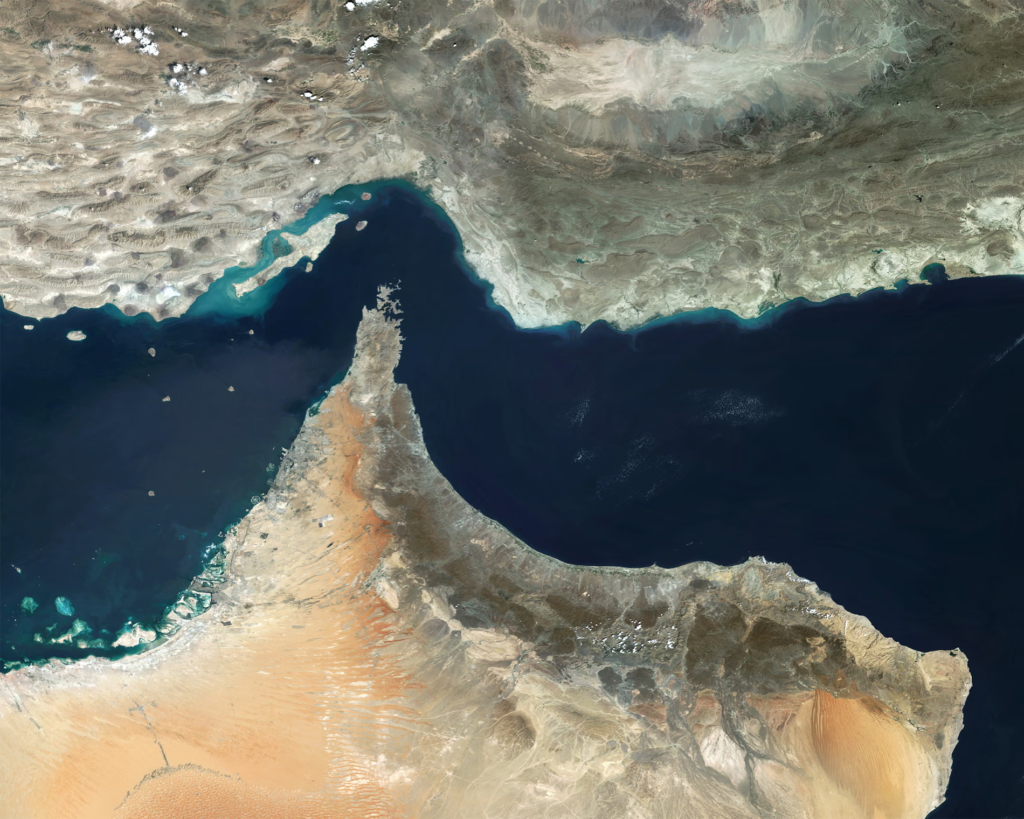
The Strait of Hormuz is a narrow waterway—approximately 21 miles wide at its narrowest point—connecting the Persian Gulf to the Gulf of Oman and serving as the sole maritime exit for oil and gas exports from major producers including Saudi Arabia, Iran, Iraq, the UAE, Kuwait, and Qatar.
According to the US Energy Information Administration (EIA) and International Energy Agency (IEA) data, the strait handles roughly 20-21 million barrels per day (bpd) of crude oil, condensate, and petroleum products. This represents about 20% of global petroleum liquids consumption and 25% of all seaborne oil trade. Additionally, it accounts for significant volumes of liquefied natural gas (LNG). Asian markets, particularly China, absorb the vast majority of the oil transiting the strait.
Why the Closure Matters: A Global Economic Flashpoint
Iran has effectively restricted or closed the strait since US and Israeli strikes began earlier in 2026, turning a routine shipping lane into a tool of leverage. Maritime traffic has plummeted, with some vessels forced to pay tolls reportedly as high as $2 million per ship for safe passage through Iranian-controlled routes. Iranian lawmakers have discussed formalizing these “transit fees” to offset wartime costs.
The disruption has already triggered sharp spikes in global oil prices, fueling inflation concerns worldwide. Energy analysts warn of prolonged supply chain shocks affecting fuel costs, manufacturing, and consumer goods—from Asia to Europe and the United States.
Iran’s Counterproposal: Reparations, Sovereignty, and a New Toll System
Iran’s demand goes beyond a simple reopening. Officials, including President Masoud Pezeshkian, have outlined conditions for ending hostilities, including:
- Complete cessation of US and Israeli aggression and assassinations.
- Mechanisms to prevent future attacks.
- Full compensation for war damages.
- Guarantees of Iranian sovereignty over the Strait of Hormuz.
- An end to hostilities involving allied groups across the Middle East.
Tabatabaei emphasized that compensation would come through a “new legal regime” imposing transit fees on ships, effectively turning the strait into a revenue-generating asset for Iran. This follows parliamentary discussions on toll systems that could generate billions annually—potentially rivaling Iran’s pre-war oil export earnings.
Iran has rejected a US-proposed 15-point ceasefire plan that included restrictions on its nuclear and missile programs.
Background: From Tensions to Tactical Closure
The current crisis stems from intensified US-Israeli military actions against Iran, including strikes on infrastructure and reported assassinations. Iran responded with missile and drone attacks, while leveraging its control over the strait as a strategic deterrent. Historically, Tehran has threatened to close the waterway during conflicts (e.g., the 1980s Tanker War and 2019 tensions), but never fully executed a sustained blockade—until now.
President Trump has issued ultimatums, including a 48-hour deadline for reopening and threats of strikes on Iranian power plants, calling the situation unacceptable. Iran has dismissed these as “desperate nonsense.”
Global Reactions and Diplomatic Efforts
- United States: Pushing for allied support to reopen the strait, possibly through military means, though experts call it “mission impossible” without major escalation.
- Gulf Neighbors and Asia: Countries like China and India are scrambling for alternative routes, with some Indian vessels reportedly transiting safely due to diplomatic ties.
- International Bodies: The UN and energy watchdogs are monitoring the situation, with calls for de-escalation to avert a broader energy crisis.
- Oil Markets: Prices have surged, with analysts predicting further volatility if the impasse continues.
What Lies Ahead: Risks of Escalation vs. Diplomatic Breakthrough
The standoff raises the specter of wider regional war, potential naval confrontations, and long-term shifts in global energy security. Pipelines bypassing the strait (in Saudi Arabia and the UAE) offer limited relief—only 3.5-5.5 million bpd capacity—far short of normal flows.
Diplomatic talks, including recent Iran-Oman meetings, continue behind the scenes, but Iran’s firm linkage of reopening to compensation suggests a protracted negotiation. For now, the world watches as one of the planet’s most critical chokepoints remains a bargaining chip in a high-stakes geopolitical game.
Reflecto News will continue to monitor developments. This story is developing.
Sources include official statements, EIA/IEA data, and reports from Al Jazeera, Reuters, and major international outlets.
Questions people ask
What is China's current share of global manufacturing?
China now accounts for twenty eight percent of global manufacturing. This industrial output exceeds the combined manufacturing production of the United States, Japan, and Germany, making China the leading global industrial power according to recent reports.
Why were Andrew Tate and Tristan Tate arrested in Miami?
Andrew Tate and his brother Tristan Tate were taken into custody in Miami by the United States Marshals Service. They face thirty eight new charges in the United Kingdom, including rape and child pornography offences, and prosecutors are seeking their extradition.
What warning did Moscow issue about oil prices?
Kirill Dmitriev, the Chief Executive of the Russian Direct Investment Fund, warned that a tsunami of skyrocketing oil prices is approaching. Moscow describes this potential energy shock as a major threat to global markets.
What political shift is projected for Benjamin Netanyahu's coalition?
Political polls project that Prime Minister Benjamin Netanyahu's coalition is on track to lose its majority in the upcoming October election. This projection indicates a potential political shift in Jerusalem.
Why did a Russian military aircraft land in Tehran?
A Russian airborne command aircraft, widely known as a doomsday plane, landed in Tehran. The arrival of the aircraft represents a high stakes show of support from Russia for Iran during a period of heightened regional tensions.
What did President Masoud Pezeshkian claim about the United States and Israel?
Iranian President Masoud Pezeshkian claimed that the United States and Israel failed in a forty eight hour plan to topple the Iranian government. He made these statements during a televised address marking two years since his inauguration.