Reflecto News is an online news platform covering major international political events, global economic developments, and security conflicts. The site provides updates on topics such as Chinese manufacturing dominance, Middle Eastern political tensions, and high profile legal arrests. Readers can access current articles organized by categories like World News, Iran, and USA.
Iran has issued a defiant response to mounting pressure and threats from President Trump, stating that the Strait of Hormuz “will never return to its former state, especially for America and Israel.” The declaration reinforces Tehran’s determination to maintain leverage over the strategic waterway even as selective tanker transits continue and diplomatic signals suggest possible backchannel movement.
By Reflecto News Desk
April 5, 2026 | Tehran / Washington
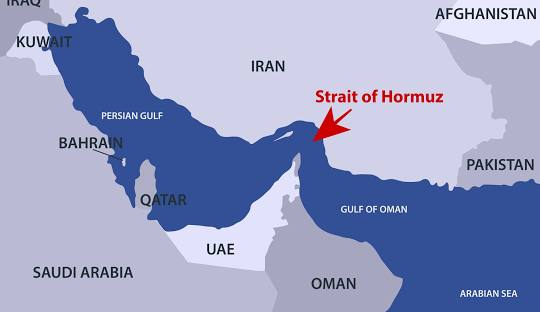
The Iranian statement, carried by state media and attributed to senior officials, signals that any future access through the strait will come with permanent changes in security arrangements, oversight, or conditions — explicitly excluding normalized passage for U.S. and Israeli-linked vessels or interests. It comes in direct rebuttal to Trump’s repeated ultimatums, including the latest vow that Tuesday will combine “Power Plant Day” and “Bridge Day” into a massive strike operation if the strait is not fully opened.
Despite the hardline rhetoric, Iran has continued granting case-by-case exemptions for commercial shipping, with recent successful transits by French-linked, Indian, and Iraqi tankers. However, full, unrestricted commercial flows have not resumed, contributing to ongoing energy market volatility and record Chinese LNG resales to offset disrupted supplies.
Heightened Tensions and Military Context
The Iranian declaration arrives amid a volatile mix of military actions and cautious diplomatic overtures:
- U.S. Rescue Operations: President Trump recently confirmed the successful extraction of a seriously wounded F-15E Strike Eagle Colonel from deep inside Iranian mountains, following an earlier seven-hour broad-daylight raid. Both operations carried extreme risks as Iranian forces closed in.
- Infrastructure Threats: Trump has warned of unprecedented strikes on Iranian power plants and bridges on Tuesday if demands are not met, building on prior U.S.-Israeli actions such as the bombing of the Karaj B1 bridge.
- Gulf Spillover: Recent intercepted Iranian attacks have caused fires at the UAE’s Borouge petrochemical plant in Abu Dhabi and disruptions at the Habshan gas facility.
- Iranian Retaliation: Missile strikes on Israeli targets, including the hit on the Ne’ot Hovav industrial zone causing chemical plant fires.
Iranian claims of inflicting over $2.4 billion in damage to U.S. aircraft and equipment in the first 35 days continue to feature prominently in Tehran’s messaging.
Diplomatic Balancing Act
The firm stance on the Strait of Hormuz contrasts with other signals from Tehran:
- Foreign Minister Abbas Araghchi has repeatedly emphasized willingness for mediated talks via Pakistan, seeking a “conclusive and lasting” end to the war on acceptable terms.
- President Trump earlier today expressed a “good chance” of reaching a deal within 24 hours, though his subsequent threats suggest negotiations remain fragile and high-stakes.
- Proxy risks persist, with the U.S. Embassy in Baghdad describing recent attacks as assassination attempts on American diplomats.
A potential deal would likely need to address Hormuz access, de-escalation of infrastructure strikes, and security guarantees for Gulf states, while Iran insists on changes that protect its strategic interests.
Reflecto News will continue monitoring any further Iranian clarifications, U.S. responses to the Hormuz statement, developments ahead of Tuesday’s threatened strikes, and updates from the planned Monday Oval Office news conference with military leaders.
Sources: Iranian state media (IRIB, Tasnim, Fars), President Trump’s statements, Reuters, Axios, UAE official reports, and cross-referenced regional analysis as of April 5, 2026. Statements in active conflicts often serve dual military and negotiating purposes; the situation remains highly dynamic.
Questions people ask
What is China's current share of global manufacturing?
China now accounts for twenty eight percent of global manufacturing. This industrial output exceeds the combined manufacturing production of the United States, Japan, and Germany, making China the leading global industrial power according to recent reports.
Why were Andrew Tate and Tristan Tate arrested in Miami?
Andrew Tate and his brother Tristan Tate were taken into custody in Miami by the United States Marshals Service. They face thirty eight new charges in the United Kingdom, including rape and child pornography offences, and prosecutors are seeking their extradition.
What warning did Moscow issue about oil prices?
Kirill Dmitriev, the Chief Executive of the Russian Direct Investment Fund, warned that a tsunami of skyrocketing oil prices is approaching. Moscow describes this potential energy shock as a major threat to global markets.
What political shift is projected for Benjamin Netanyahu's coalition?
Political polls project that Prime Minister Benjamin Netanyahu's coalition is on track to lose its majority in the upcoming October election. This projection indicates a potential political shift in Jerusalem.
Why did a Russian military aircraft land in Tehran?
A Russian airborne command aircraft, widely known as a doomsday plane, landed in Tehran. The arrival of the aircraft represents a high stakes show of support from Russia for Iran during a period of heightened regional tensions.
What did President Masoud Pezeshkian claim about the United States and Israel?
Iranian President Masoud Pezeshkian claimed that the United States and Israel failed in a forty eight hour plan to topple the Iranian government. He made these statements during a televised address marking two years since his inauguration.