Kamal Kharazi, head of Iran’s Strategic Council on Foreign Relations and a senior adviser to the Supreme Leader, was seriously injured in a US-Israeli airstrike on his Tehran residence that also killed his wife, according to Iranian media reports. The timing raises questions about possible efforts to disrupt backchannel diplomacy amid the ongoing conflict.
By Reflecto News Desk
April 2, 2026 | Tehran / Washington
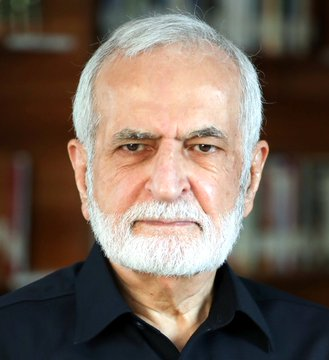
Iranian state-linked outlets, including Mehr News and others, reported that Kamal Kharazi sustained severe injuries in Wednesday’s strike on a residential area in Tehran and was transferred to a hospital. His wife was killed in the attack. Kharazi, who served as Iran’s Foreign Minister from 1997 to 2005 under President Mohammad Khatami, has remained a prominent foreign policy figure as head of the Strategic Council on Foreign Relations and a key adviser to the leadership.
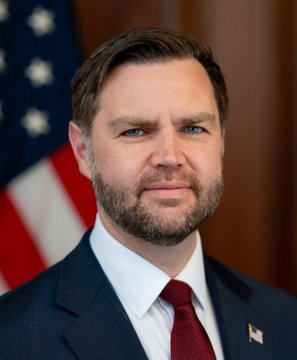
Two Iranian officials told media that Kharazi had been actively overseeing coordination with Pakistan for a possible high-level meeting between Iranian representatives and US Vice President JD Vance. The revelation adds a diplomatic dimension to the strike at a moment when the conflict — now in its fifth week — shows mixed signals of military pressure and tentative outreach.
Who Is Kamal Kharazi?
Kharazi is a veteran Iranian diplomat known for his role in reformist-era foreign policy and later as a trusted adviser on strategic affairs. He has maintained influence even after leaving the foreign minister post, advising both the late Supreme Leader Ali Khamenei and his successor. His position at the Strategic Council on Foreign Relations made him a central figure in shaping Iran’s international posture, including relations with the West, regional neighbors, and non-aligned countries.
Context of the Strike
The attack on Kharazi’s home is part of the broader US-Israeli campaign that began on February 28, 2026, targeting Iranian military infrastructure, missile sites, leadership figures, and associated facilities. While U.S. and Israeli officials have described strikes as focused on degrading nuclear, missile, and conventional threats, Iranian sources portray the latest incident as an attempt to eliminate voices involved in potential de-escalation.
Iranian media and officials have suggested the targeting was intended to scuttle diplomatic openings. The involvement of Pakistan as a mediator aligns with reports of indirect channels being explored even as fighting continues.
Diplomatic Backdrop: Negotiations Amid Conflict
The reported Vance meeting coordination comes against a complex backdrop:
- President Trump has claimed major military objectives are nearing completion and suggested the operation could wind down in “two to three weeks,” while pressing for the Strait of Hormuz to reopen fully.
- Iran has rejected formal ceasefire proposals but issued pragmatic offers, including inviting European, Asian, and Arab countries to negotiate safe transit agreements through the Strait of Hormuz.
- Recent Iranian statements have mixed defiance — claiming vast untouched military capabilities and warning of bigger attacks — with selective openness to dialogue on energy security.
Kharazi’s reported role highlights how backchannel efforts can persist even during active hostilities. Pakistan has historically served as a conduit for sensitive Iran-US communications.
Current State of the Conflict (April 2, 2026)
- Military Situation: Ongoing US-Israeli airstrikes continue to target Iranian assets, while Iran maintains retaliatory capabilities through missiles, drones, and proxies. U.S. intelligence assessments indicate no signs of regime collapse, with the IRGC retaining significant control.
- Energy Impact: The Strait of Hormuz remains disrupted, exacerbating the LNG supply crisis. China continues reselling record volumes of LNG to affected Asian buyers (South Korea, Japan, India, Thailand, Philippines).
- Diplomatic Maneuvering: Iran’s invitation for transit agreements and reports of indirect talks suggest efforts to ease economic pressure and divide international responses.
Implications
The wounding of a senior diplomatic figure like Kharazi could harden Iranian positions in the short term, fueling accusations that strikes aim to sabotage negotiations rather than purely degrade military capacity. At the same time, it underscores the risks faced by officials involved in any outreach during wartime.
For the U.S. side, the incident occurs as Trump signals possible wind-down while maintaining pressure. Any disruption to Pakistan-mediated channels may complicate future off-ramps.
Analysts caution that such targeted strikes on political figures risk escalation or prolonged attrition, even as global attention remains divided — including on NASA’s historic Artemis II mission, which successfully launched humans beyond low-Earth orbit for the first time in over 50 years on April 1.
Reflecto News will continue monitoring Kharazi’s condition, any official reactions from Tehran, Washington, or Islamabad, developments in potential diplomatic channels, and the evolving military and energy situation.
Sources: Iranian media reports (Mehr, Shargh, Etemad), The New York Times, Reuters, TRT World, and other international outlets as of April 2, 2026. Information from active conflict zones remains fluid and subject to verification.