Reflecto News is an online news platform covering major international political events, global economic developments, and security conflicts. The site provides updates on topics such as Chinese manufacturing dominance, Middle Eastern political tensions, and high profile legal arrests. Readers can access current articles organized by categories like World News, Iran, and USA.
Reflecto News
April 19, 2026
Brazilian President Luiz Inácio Lula da Silva has issued a forceful demand for the United States to immediately lift its long-standing economic embargo on Cuba, describing it as an unjust “damn blockade” that prevents the Cuban people from living freely. Speaking at the IV Summit in Defense of Democracy in Barcelona, Spain, Lula urged the international community not to remain silent on the issue.
“End this damn blockade against Cuba and let the Cuban people live,” Lula declared. He reiterated, “Stop this damn blockade against Cuba and let Cubans live their lives. We cannot remain silent.”
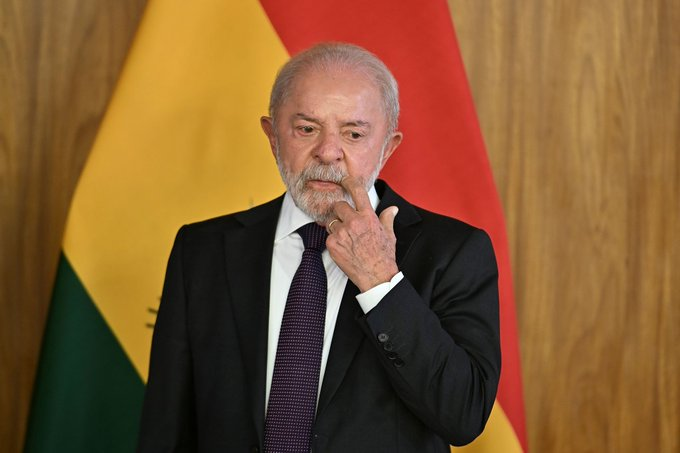
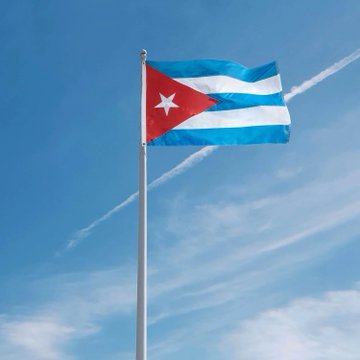
Lula argued that Cuba is facing one of the most severe crises in its history, with widespread shortages of food, energy, fuel, and medical supplies. While acknowledging Cuba’s internal challenges, he placed significant blame on the more than six-decade U.S. embargo, which he said has been intensified under the current Trump administration. He contrasted this with the humanitarian situation in neighboring Haiti, noting selective international outrage over Cuba’s socialist system while other crises receive less attention.
The Brazilian leader also called on the five permanent members of the UN Security Council to “meet to change their behavior” and pledged increased aid to Cuba alongside Mexico and Spain.
Lula’s Broader Argument
Lula has consistently framed the U.S. embargo as a form of economic warfare that violates Cuban sovereignty and exacerbates humanitarian suffering. He has urged that only the Cuban people should decide their future, rejecting external interference or regime-change pressures. In recent weeks, he has linked global military spending and unilateral sanctions to the persistence of poverty and hunger in the region.
This latest demand aligns with Lula’s longstanding foreign policy emphasizing South-South solidarity, Latin American autonomy, and opposition to certain U.S. unilateral measures.
Reactions and Debate
- Support: Progressive leaders and governments in Latin America have echoed calls for normalized relations with Cuba and an end to the embargo, viewing it as a relic of Cold War-era policy.
- Criticism: Opponents, including Cuban exiles, human rights organizations, and some U.S. officials, argue that Cuba’s economic difficulties also stem from internal mismanagement, political repression, and the one-party system. They point to documented issues such as restrictions on dissent and a high number of political prisoners.
- U.S. Context: The Trump administration has maintained a firm stance on Cuba, with recent actions including tightened restrictions on oil shipments and energy-related measures.
The remarks come as Cuba grapples with acute shortages, energy blackouts, and emigration pressures, while Haiti continues to face one of the Western Hemisphere’s worst humanitarian crises marked by gang violence and food insecurity.
What’s Next?
Lula’s call adds to growing international pressure on the U.S. policy toward Cuba. It remains to be seen whether it will influence diplomatic discussions or aid commitments from Brazil, Mexico, Spain, and other partners. The issue is likely to feature prominently in future regional forums and UN debates.
Reflecto News will continue monitoring statements from Lula, reactions in Washington and Havana, and developments regarding U.S.-Cuba relations and humanitarian conditions in the Caribbean.
Frequently Asked Questions (FAQs)
Q1: What exactly did Lula demand regarding the U.S. embargo on Cuba?
A: Lula called for an immediate end to the “damn blockade,” urging the U.S. to lift the embargo so that “Cubans can live their lives” and emphasizing that Cubans themselves should determine their future.
Q2: Why is Lula focusing on this issue now?
A: He argues that Cuba is enduring one of the most severe crises in its history, exacerbated by the long-standing U.S. embargo. He also highlights perceived double standards in international attention compared to crises like Haiti’s.
Q3: How has the U.S. responded to similar past demands?
A: Successive U.S. administrations, including the current one, have maintained the embargo, citing Cuba’s human rights record, political system, and regional activities as justification.
Q4: What is the current situation in Cuba?
A: Cuba faces severe shortages of food, fuel, electricity, and medicines, along with economic hardship and emigration pressures. The government attributes much of this to the U.S. embargo, while critics point to internal governance issues.
Q5: Has Lula coordinated with other leaders?
A: Yes — Brazil, Mexico, and Spain recently pledged more aid to Cuba and jointly called for respect of Cuban sovereignty amid U.S. pressure.
Q6: What are the main counterarguments to Lula’s position?
A: Critics argue that Cuba’s problems also result from decades of socialist economic policies, lack of political freedoms, and repression, rather than the embargo alone.
For the latest on Lula da Silva’s foreign policy statements, U.S.-Cuba relations, humanitarian situations in the Caribbean, and Latin American diplomacy, bookmark Reflecto News.
This article is based on Lula da Silva’s public remarks at the IV Summit in Defense of Democracy in Barcelona and verified reporting from multiple sources as of April 19, 2026.
Questions people ask
What is China's current share of global manufacturing?
China now accounts for twenty eight percent of global manufacturing. This industrial output exceeds the combined manufacturing production of the United States, Japan, and Germany, making China the leading global industrial power according to recent reports.
Why were Andrew Tate and Tristan Tate arrested in Miami?
Andrew Tate and his brother Tristan Tate were taken into custody in Miami by the United States Marshals Service. They face thirty eight new charges in the United Kingdom, including rape and child pornography offences, and prosecutors are seeking their extradition.
What warning did Moscow issue about oil prices?
Kirill Dmitriev, the Chief Executive of the Russian Direct Investment Fund, warned that a tsunami of skyrocketing oil prices is approaching. Moscow describes this potential energy shock as a major threat to global markets.
What political shift is projected for Benjamin Netanyahu's coalition?
Political polls project that Prime Minister Benjamin Netanyahu's coalition is on track to lose its majority in the upcoming October election. This projection indicates a potential political shift in Jerusalem.
Why did a Russian military aircraft land in Tehran?
A Russian airborne command aircraft, widely known as a doomsday plane, landed in Tehran. The arrival of the aircraft represents a high stakes show of support from Russia for Iran during a period of heightened regional tensions.
What did President Masoud Pezeshkian claim about the United States and Israel?
Iranian President Masoud Pezeshkian claimed that the United States and Israel failed in a forty eight hour plan to topple the Iranian government. He made these statements during a televised address marking two years since his inauguration.