Reflecto News is an online news platform covering major international political events, global economic developments, and security conflicts. The site provides updates on topics such as Chinese manufacturing dominance, Middle Eastern political tensions, and high profile legal arrests. Readers can access current articles organized by categories like World News, Iran, and USA.
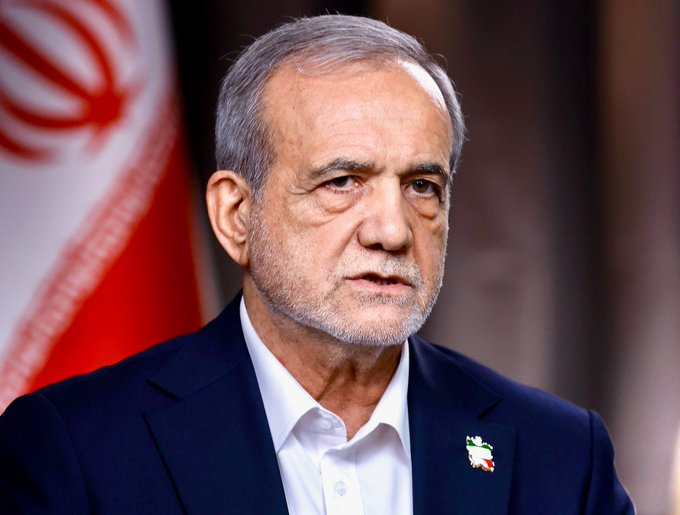
Reflecto News – Iranian President Masoud Pezeshkian has acknowledged that “deep historical mistrust” toward the United States continues to shape Tehran’s approach to the ongoing negotiations and the fragile two-week ceasefire.
In remarks made on Monday, April 20, 2026, Pezeshkian stated:
“The deep historical mistrust toward the United States remains. We cannot ignore decades of hostility, sanctions, and broken promises.”
The Iranian leader made the comments while addressing senior officials and diplomats in Tehran, emphasizing that any potential agreement with Washington must be based on verifiable actions rather than verbal assurances. He stressed that Iran is open to diplomacy but will not make unilateral concessions in an atmosphere of continued pressure, particularly the ongoing U.S. naval blockade of Iranian ports.
Key Points from Pezeshkian’s Statement
- Historical mistrust: Pezeshkian cited decades of U.S. sanctions, the 2018 withdrawal from the JCPOA, and past incidents of perceived broken agreements as reasons for deep skepticism.
- Current ceasefire: He described the two-week truce as “extremely fragile” and said Iran would not accept any extension or final deal that does not address the U.S. blockade and guarantees unrestricted commercial passage through the Strait of Hormuz.
- Negotiating stance: Iran is prepared to engage seriously in the upcoming talks in Islamabad but will insist on reciprocity and concrete steps from the American side.
Pezeshkian’s remarks come as Vice President JD Vance is expected to arrive in Islamabad within hours to lead the U.S. delegation for high-level negotiations with Iran.
Current State of Diplomacy
The two-week U.S.-Iran ceasefire remains under severe strain:
- Iran has reimposed strict controls over the Strait of Hormuz, with recent reports of gunfire against merchant vessels.
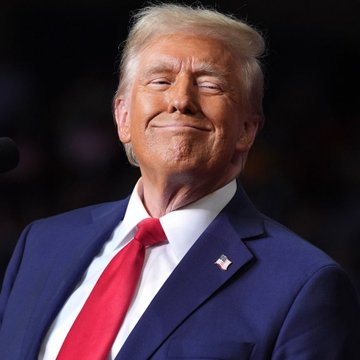
- The U.S. maintains its naval blockade, with President Trump warning he may not extend the truce without a comprehensive deal.
- Key sticking points include uranium enrichment limits, sanctions relief, secure management of the strait, and regional issues (particularly Lebanon).
Implications
Pezeshkian’s candid admission of “deep historical mistrust” reflects the significant psychological and political barriers that remain despite the temporary ceasefire. It also signals that Iran will approach the Islamabad talks with caution and a demand for tangible guarantees rather than relying solely on U.S. verbal commitments.
Reflecto News will continue monitoring developments from Tehran, Washington, and Islamabad, including any statements from the Iranian delegation upon arrival and progress in the high-level talks.
Frequently Asked Questions (FAQs)
Q1: What did President Pezeshkian say about the United States?
He acknowledged that “deep historical mistrust” toward the U.S. remains and cannot be ignored due to decades of sanctions, hostility, and broken promises.
Q2: How does this affect the current ceasefire?
It underscores the fragility of the two-week truce and Iran’s reluctance to make unilateral concessions while the U.S. naval blockade remains in place.
Q3: What is Iran’s current position on the Strait of Hormuz?
Iran has reimposed strict controls and insists that unrestricted commercial passage will not resume until the U.S. lifts its blockade.
Q4: When are the next talks?
Vice President JD Vance is expected to arrive in Islamabad within hours to lead the U.S. delegation for high-level negotiations with Iran.
Q5: Does Pezeshkian’s statement signal Iran is unwilling to negotiate?
No. He said Iran is prepared to engage seriously but will insist on reciprocity and verifiable actions rather than relying on verbal assurances.
Q6: How has the U.S. responded so far?
No immediate official U.S. reaction to Pezeshkian’s specific remarks has been reported.
Q7: Could this mistrust derail the talks in Islamabad?
It adds a significant challenge, but both sides have indicated they will still attend the talks. Success will depend on whether concrete compromises can overcome the deep-seated distrust.
For continuous, accurate coverage of U.S.-Iran diplomacy, the ceasefire status, and developments in Islamabad, follow Reflecto News — your source for timely and professional reporting.
Questions people ask
What is China's current share of global manufacturing?
China now accounts for twenty eight percent of global manufacturing. This industrial output exceeds the combined manufacturing production of the United States, Japan, and Germany, making China the leading global industrial power according to recent reports.
Why were Andrew Tate and Tristan Tate arrested in Miami?
Andrew Tate and his brother Tristan Tate were taken into custody in Miami by the United States Marshals Service. They face thirty eight new charges in the United Kingdom, including rape and child pornography offences, and prosecutors are seeking their extradition.
What warning did Moscow issue about oil prices?
Kirill Dmitriev, the Chief Executive of the Russian Direct Investment Fund, warned that a tsunami of skyrocketing oil prices is approaching. Moscow describes this potential energy shock as a major threat to global markets.
What political shift is projected for Benjamin Netanyahu's coalition?
Political polls project that Prime Minister Benjamin Netanyahu's coalition is on track to lose its majority in the upcoming October election. This projection indicates a potential political shift in Jerusalem.
Why did a Russian military aircraft land in Tehran?
A Russian airborne command aircraft, widely known as a doomsday plane, landed in Tehran. The arrival of the aircraft represents a high stakes show of support from Russia for Iran during a period of heightened regional tensions.
What did President Masoud Pezeshkian claim about the United States and Israel?
Iranian President Masoud Pezeshkian claimed that the United States and Israel failed in a forty eight hour plan to topple the Iranian government. He made these statements during a televised address marking two years since his inauguration.