Reflecto News is an online news platform covering major international political events, global economic developments, and security conflicts. The site provides updates on topics such as Chinese manufacturing dominance, Middle Eastern political tensions, and high profile legal arrests. Readers can access current articles organized by categories like World News, Iran, and USA.
Araghchi says the signing of a memorandum of understanding to end the war “was announced on Monday morning,” as Tehran prepares to enter a second phase of negotiations over its nuclear program and sanctions relief.
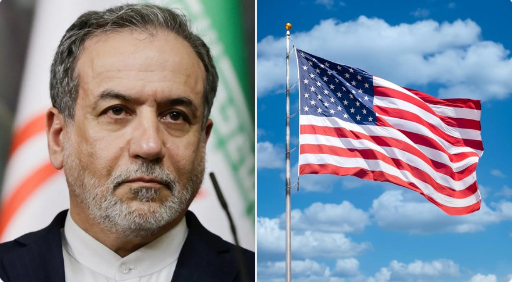
TEHRAN — Iranian Foreign Minister Abbas Araghchi has declared that the war between Iran and the United States is over, announcing that the two sides have finalized a memorandum of understanding (MOU) to end the conflict that has engulfed the Middle East since February.
“The end of the war was announced on Monday morning, Tehran time, after the agreement was finalized,” Araghchi said during a briefing with foreign diplomats in Tehran broadcast on state television .
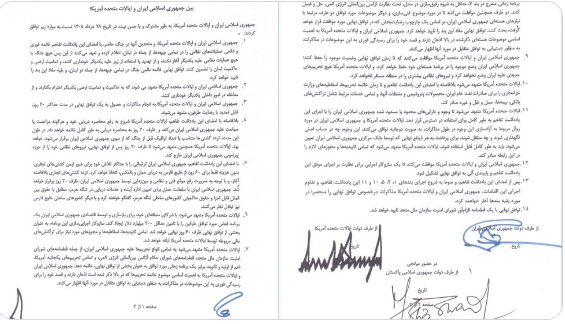
The agreement, which Araghchi said will officially enter into force on Friday, represents the culmination of three months of intense negotiations mediated primarily by Pakistan . The memorandum establishes a framework for ending hostilities on all fronts, reopening the Strait of Hormuz, and addressing the broader regional conflict.
What the Agreement Includes
Araghchi outlined several key components of the memorandum during his briefing :
| Provision | Details |
|---|---|
| End of War | Immediate and permanent cessation of hostilities on all fronts, including Lebanon |
| Israeli Withdrawal | War considered over only when Israeli forces withdraw from occupied Lebanese territories |
| Strait of Hormuz | Agreement to reopen the strait, though Iran says management will not return to pre-war conditions |
| US Naval Blockade | Lifting of the blockade on Iranian ports |
| Lebanon & Hezbollah | Iran considers any Israeli military action against Lebanon after the signing a violation of the MOU |
Araghchi emphasized that ending the war in Lebanon is “an inseparable part of the complete end of the war” . He framed the conflict as involving two primary parties: “one side is America and Israel, and the other side is Iran and Hezbollah” .
The Two-Phase Negotiation Process
Araghchi explained that the two sides divided the negotiations into two phases due to the difficulties in reaching a comprehensive agreement .
| Phase | Timeline | Key Issues |
|---|---|---|
| Phase 1 | Completed | Memorandum of Understanding on war’s end, Strait of Hormuz, naval blockade, frozen assets, and reconstruction |
| Phase 2 | Begins Friday, 60-day period | Final agreement on nuclear issues and removal of sanctions |
“We ultimately decided to divide the negotiations into two stages,” Araghchi said, noting that the second phase will involve talks “on nuclear issues and the lifting of sanctions” .
The signing ceremony is expected to take place on Friday in Switzerland. Iranian Deputy Foreign Minister Majid Takht-Ravanchi confirmed that Iran’s top negotiator, Mohammad Bagher Ghalibaf, will attend, while U.S. Vice President JD Vance will lead the American delegation .
A Warning to Israel
Araghchi delivered a stark warning to Israel, which is not a party to the agreement. He stated that any continued Israeli military action against Lebanon would be considered a violation of the memorandum .
“Any military attack by the Zionist regime on Lebanon from now on and the continued occupation of Lebanese territories from now on will be considered a violation of the memorandum of understanding in our view,” Araghchi said .
He also insisted that the war would not be considered fully over “without the withdrawal of Israeli forces from the territories it occupied in this war” .
Domestic Opposition
The peace deal has faced pushback from hardline factions inside Iran. Dozens of protesters gathered outside a Foreign Ministry office in the northeastern city of Mashhad on Saturday, chanting slogans against Araghchi and waving red and black flags . Protesters chanted “Death to dishonourable Araghchi, the infiltrator” and accused negotiators of making excessive concessions .
Hardliners have argued that the agreement would be detrimental to Tehran’s strategic position and reduce its leverage over the Strait of Hormuz . Araghchi acknowledged these concerns, stating that “the administration of the Strait of Hormuz will no longer be the same as before” .
What Comes Next
Following the Friday signing ceremony, the two sides will enter a 60-day negotiation period to resolve outstanding issues, including Iran’s nuclear program and the complete removal of sanctions .
Araghchi expressed confidence in the process: “In the final agreement, decisions will be made on the nuclear issues and the lifting of sanctions” . The Iranian foreign minister also noted that the parties could agree to extend the 60-day period if necessary .
Frequently Asked Questions (FAQs)
Q1: Has the war between the US and Iran officially ended?
A: Iranian Foreign Minister Abbas Araghchi announced that the end of the war “was announced on Monday morning” after a memorandum of understanding was finalized. The agreement will officially enter into force on Friday .
Q2: What are the main terms of the MOU?
A: The memorandum includes provisions for an immediate and permanent end to the war on all fronts (including Lebanon), the withdrawal of Israeli forces from occupied territories, reopening the Strait of Hormuz, and the lifting of the US naval blockade on Iranian ports .
Q3: Is Israel a party to this agreement?
A: No. Araghchi stated that the parties to the memorandum are “America and Israel” on one side and “Iran and Hezbollah” on the other, but Israel has not signed the agreement and has indicated it will maintain its presence in Lebanon .
Q4: What happens after the MOU is signed?
A: Following the Friday signing, a new round of negotiations will begin with the aim of reaching a final agreement on nuclear issues and the complete removal of sanctions within a 60-day period .
Q5: Has the peace deal faced opposition inside Iran?
A: Yes. Hardline factions have protested against the agreement, with demonstrations outside the Foreign Ministry in Mashhad and Tehran. Critics argue the deal makes too many concessions to the US and Israel .
This is a developing story. Reflecto News will continue to provide updates on the implementation of the US-Iran peace memorandum and the upcoming negotiations.
Questions people ask
What is China's current share of global manufacturing?
China now accounts for twenty eight percent of global manufacturing. This industrial output exceeds the combined manufacturing production of the United States, Japan, and Germany, making China the leading global industrial power according to recent reports.
Why were Andrew Tate and Tristan Tate arrested in Miami?
Andrew Tate and his brother Tristan Tate were taken into custody in Miami by the United States Marshals Service. They face thirty eight new charges in the United Kingdom, including rape and child pornography offences, and prosecutors are seeking their extradition.
What warning did Moscow issue about oil prices?
Kirill Dmitriev, the Chief Executive of the Russian Direct Investment Fund, warned that a tsunami of skyrocketing oil prices is approaching. Moscow describes this potential energy shock as a major threat to global markets.
What political shift is projected for Benjamin Netanyahu's coalition?
Political polls project that Prime Minister Benjamin Netanyahu's coalition is on track to lose its majority in the upcoming October election. This projection indicates a potential political shift in Jerusalem.
Why did a Russian military aircraft land in Tehran?
A Russian airborne command aircraft, widely known as a doomsday plane, landed in Tehran. The arrival of the aircraft represents a high stakes show of support from Russia for Iran during a period of heightened regional tensions.
What did President Masoud Pezeshkian claim about the United States and Israel?
Iranian President Masoud Pezeshkian claimed that the United States and Israel failed in a forty eight hour plan to topple the Iranian government. He made these statements during a televised address marking two years since his inauguration.