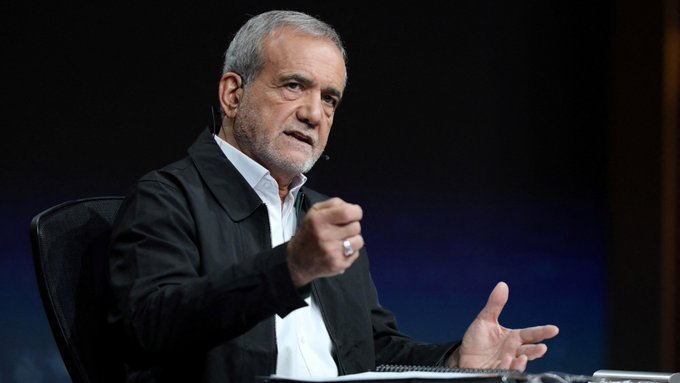
JUST IN: In a direct written appeal to the American public amid the ongoing US-Israeli Operation Epic Fury, Iranian President Masoud Pezeshkian has stated that Iran “harbors no enmity towards ordinary Americans” and argued that portraying Iran as an inherent threat is “neither consistent with historical reality nor with present-day observable facts.”
By Reflecto News Staff
April 2, 2026
TEHRAN – Iranian President Masoud Pezeshkian has taken the unusual step of addressing the American people directly through a letter, seeking to separate ordinary U.S. citizens from their government’s policies during the month-long military campaign in the Middle East.
In the letter, Pezeshkian reiterated earlier remarks that Iran holds “no hostility toward American civilians,” while pushing back against narratives that depict Iran as an existential threat to the United States or the West. He described such portrayals as inconsistent with both history and current realities, emphasizing shared human interests over confrontation.
This message comes as U.S. and Israeli forces continue strikes under Operation Epic Fury, including recent attacks on IRGC missile bases in Isfahan, and as the U.S. has doubled its A-10 Warthog fleet in the region for close air support and maritime interdiction.
Key Excerpts from the Letter
According to excerpts released by Iranian state media and international outlets:
- “Iran harbors no enmity towards ordinary Americans.”
- Portraying Iran as a threat “is neither consistent with historical reality nor with present-day observable facts.”
- The president appealed for Americans to recognize that Iranian policies are defensive in nature and not aimed at harming everyday people in the United States.
The letter builds on Pezeshkian’s previous public statements, including his distinction between American civilians and government actions, and his accusations that the U.S. has acted as a proxy for Israel in the current conflict.
Pezeshkian’s Approach: Reformist Rhetoric in Wartime
Elected in 2024 as a reformist and moderate voice, Pezeshkian has positioned himself as a leader focused on dialogue, economic relief, and reducing tensions with the West. Even as Iran faces sustained airstrikes, he has maintained a dual track: strong condemnation of military actions coupled with outreach to foreign publics.
This latest letter aligns with his earlier overtures, such as stating that “the Iranian nation is not hostile” to Americans. Analysts see it as an attempt to:
- Appeal directly to U.S. public opinion and potentially influence policymakers.
- Counter domestic hardline pressure by showing diplomatic initiative.
- Humanize Iran’s position amid reports of civilian impacts from strikes and the “toll booth” regime in the Strait of Hormuz.
Historical and Current Context
U.S.-Iran relations have been strained since the 1979 Islamic Revolution, marked by the hostage crisis, sanctions, the collapse of the 2015 JCPOA nuclear deal, and repeated proxy conflicts.
Pezeshkian argues that Iran’s actions — including its missile program, regional alliances, and responses to strikes — stem from self-defense rather than aggression. He contrasts this with what he calls decades of U.S. and Israeli policies that have isolated and pressured Iran.
The timing is notable: the letter arrives as:
- Supreme Leader Mojtaba Khamenei is reported in good health and expected to appear publicly soon.
- Iran operates a selective transit system in the Strait of Hormuz, charging fees for safe passage of “friendly” vessels.
- U.S. military assets, including additional A-10 Warthogs, support ongoing operations against Iranian naval and ground targets.
Reactions and Implications
Inside Iran: State media has highlighted the letter as evidence of Iran’s peaceful intentions toward peoples, not governments. It may help bolster domestic morale by framing the conflict as one imposed by external powers rather than mutual enmity.
United States: Early responses from U.S. officials have been cautious. While welcoming any de-escalatory language, Washington continues to stress that Iran must address its nuclear program, missile capabilities, and support for regional proxies. Public opinion in the U.S. remains divided, with many Americans favoring diplomacy but wary after years of tensions.
International Community: The appeal may resonate in countries advocating for dialogue, such as some European nations or China, which benefits from continued oil flows through the Hormuz “toll system.” However, Gulf states and Israel view Iranian statements skeptically given ongoing threats and retaliatory actions.
Broader Significance
Pezeshkian’s letter represents a classic diplomatic maneuver: distinguishing between a government and its people to lower emotional stakes and open potential avenues for negotiation. Whether it leads to concrete back-channel talks or remains symbolic will depend on battlefield developments, economic pressures (including the Hormuz disruptions), and reciprocal gestures from Washington.
In the context of Operation Epic Fury — which has targeted IRGC facilities, missile bases, and other assets — such messaging underscores the tension between military pressure and diplomatic outreach.
As casualties mount, infrastructure suffers, and global energy markets feel the strain, words directed at “ordinary Americans” may aim to erode support for prolonged conflict or sanctions.
Looking Ahead
With Supreme Leader Mojtaba Khamenei possibly appearing publicly soon and Foreign Minister statements emphasizing stability, Iran appears keen to project resilience and reasonableness. The coming days could see further clarification on ceasefire possibilities or continued escalation.
Reflecto News will monitor any official U.S. response, potential replies from American leaders or public figures, and developments linking this outreach to the Strait of Hormuz situation or nuclear talks.
Related Coverage on Reflecto News:
- Iranian President Pezeshkian Accuses U.S. of Acting as Israel’s Proxy
- Operation Epic Fury: Aftermath of Strikes on IRGC Missile Base in Isfahan
- Iran Runs “Toll Booth” in Strait of Hormuz Amid Conflict
- Supreme Leader Mojtaba Khamenei Reported in Good Health
This article is based on the released letter excerpts, official Iranian statements, and ongoing reporting on U.S.-Iran relations during the 2026 Middle East conflict.