Reflecto News is an online news platform covering major international political events, global economic developments, and security conflicts. The site provides updates on topics such as Chinese manufacturing dominance, Middle Eastern political tensions, and high profile legal arrests. Readers can access current articles organized by categories like World News, Iran, and USA.
Reflecto News | International Diplomacy | Middle East
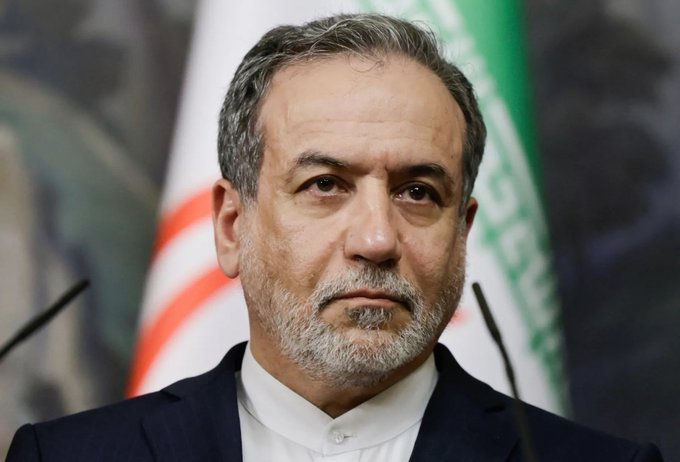
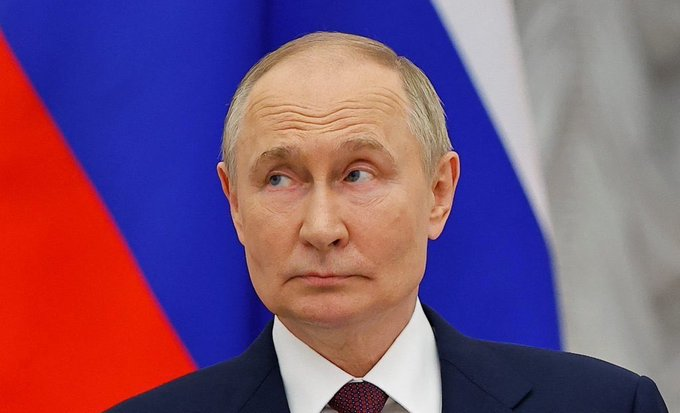
ST. PETERSBURG — Iranian Foreign Minister Abbas Araghchi has arrived in Russia for a pivotal meeting with President Vladimir Putin, marking the culmination of a high-stakes diplomatic tour as Tehran seeks to consolidate support from its key strategic partner amid stalled negotiations with the United States .
Araghchi landed in Saint Petersburg in the early hours of Monday, April 27, according to Iranian state media, after an intensive week of shuttle diplomacy that took him to Islamabad (twice) and Muscat .
Iran’s ambassador to Moscow, Kazem Jalali confirmed that Araghchi will meet with President Putin on Monday, with discussions focusing on “the latest status of the negotiations, the ceasefire, and surrounding developments” .
A Diplomatic Whirlwind: Islamabad, Muscat, and Now Moscow
Araghchi’s journey to Russia was not straightforward. The Iranian foreign minister originally planned to fly directly from Pakistan to Moscow, but diplomatic developments forced a last-minute change of itinerary .
After concluding initial talks in Islamabad, Araghchi traveled to Muscat, Oman, where he met with Sultan Haitham bin Tariq. During that meeting, Omani mediators reportedly proposed a significant shift in diplomatic strategy: any new security mechanism for the strategic Strait of Hormuz should include Saudi Arabia and potentially Qatar — a suggestion that could dramatically expand the scope of regional negotiations .
Following the Oman discussions, Araghchi made a surprise return to Islamabad on Sunday evening for another round of consultations with Pakistani officials before finally departing for Russia .
The Meeting Agenda: Ceasefire, Hormuz, and Nuclear “Red Lines”
Araghchi’s talks with Putin come at a critical juncture in the two-month-old war. According to Iranian diplomatic sources, the agenda includes:
- Ceasefire status and negotiations – A review of the current stalemate after the first round of US-Iran talks in Islamabad collapsed on April 11-12, and President Donald Trump canceled a planned second round of talks
- Strait of Hormuz – Iran has proposed a “new legal regime” for the waterway, one of the most contentious issues remaining between Tehran and Washington
- Iran’s nuclear program – Tehran has reiterated its “red lines” on its nuclear energy sector, signaling that this is a non-negotiable issue
- Compensation and guarantees – Iran is reportedly seeking assurances of no future attacks and compensation for war damages
Iran’s ambassador to Moscow noted that since the war began on February 28, President Pezeshkian and President Putin have held at least three phone calls, while their foreign ministers have spoken 11 times .
The Strategic Partnership: Not Yet a Military Alliance
While Russia and Iran have significantly deepened their cooperation during the conflict, experts note there remain important limits to the relationship .
The two nations signed a Comprehensive Strategic Partnership treaty in January 2025, which has provided a framework for enhanced political, economic, and military-technical cooperation. However, the treaty does not constitute a mutual defense alliance — meaning Moscow supports Iran diplomatically and materially without being directly responsible for its defense against the United States .
Key dimensions of Iran-Russia cooperation:
| Area | Current Status |
|---|---|
| United Nations | Russia and China vetoed a US-initiated Security Council resolution on the Strait of Hormuz deemed “unbalanced” by Moscow |
| Military cooperation | Russia has hailed Iran’s “shining example” of defense against US-Israeli aggression and pledged continued military-technical cooperation |
| Nuclear energy | Russia is building new nuclear power plants in Iran, including Bushehr-2, under a $25 billion memorandum of understanding |
| Energy & trade | Russian companies now operate 7 Iranian oil fields, responsible for about 6% of Iran’s production, with a target of reaching 12% |
| North-South Corridor | The Rasht-Astara railway project is key infrastructure for connecting Russian and Iranian trade networks |
A Russian Defense Ministry official recently described the Iran-Russia relationship as encompassing “areas from the deep sea to space,” while emphasizing enhanced military cooperation as a pillar for “safeguarding stability in Eurasia” .
Trump’s “Phone Call” Offer vs. Iran’s Moscow Gambit
Araghchi’s visit to Moscow comes just days after President Trump publicly stated that Iran can simply “reach out by phone” if it wants to negotiate, while canceling a planned trip by US envoys to Pakistan .
Trump’s message was blunt: “If they want to talk, they can come to us or call us. We have phones and excellent secure lines,” he told reporters .
However, Iran’s decision to travel to Moscow rather than Washington — literally and figuratively — speaks volumes about Tehran’s diplomatic priorities. Instead of calling the White House, Araghchi is consulting with the Kremlin, seeking support for Iran’s negotiating positions.
Iranian officials have publicly indicated they have yet to see “real diplomatic sincerity” from Washington . Tehran has insisted that its “red lines” — including on the Strait of Hormuz and its nuclear program — are non-negotiable, as communicated to Washington through Pakistani intermediaries .
How the War Began and Where Things Stand
The US-Iran war began with joint US-Israeli strikes on Iranian nuclear facilities on February 28, 2026. Iran retaliated with waves of missile and drone attacks against American and Israeli targets throughout the region.
- Ceasefire: A Pakistan-brokered two-week ceasefire took effect on April 8
- First round of talks: Held in Islamabad April 11-12; no agreement reached
- US naval blockade: Imposed on Iranian ports on April 13
- Talks currently: Stalled, with Iran citing the blockade and “excessive” US demands
Despite Trump’s cancellation of the US envoy trip, Iranian media reports indicate that Tehran has submitted a new written proposal to Washington through Pakistan — reportedly aimed at “reopening the Strait of Hormuz and ending the war” — though the terms have not been made public .
What to Watch For After the Putin Meeting
Araghchi’s meeting with President Putin is expected to produce a joint statement, likely signaling:
- Continued Russian support for Iran’s position in any future negotiations
- Possible coordination on a response to the US naval blockade
- Economic cooperation as a counterweight to Western sanctions
- A unified stance on the Strait of Hormuz, which remains the most immediate flashpoint
The coming days will reveal whether Araghchi’s Moscow consultations lead to renewed diplomatic momentum — or further entrench the current stalemate.
Frequently Asked Questions (FAQs)
Q1: When did Araghchi arrive in Russia and who is he meeting?
Araghchi arrived in Saint Petersburg in the early hours of Monday, April 27, 2026. He is scheduled to meet with Russian President Vladimir Putin later the same day .
Q2: Why did Araghchi return to Pakistan before going to Russia?
Araghchi made a second, unplanned stop in Islamabad after his meeting with Omani officials in Muscat. Oman reportedly proposed that any future security mechanism for the Strait of Hormuz should involve Saudi Arabia and Qatar — a significant development that required further consultation with Pakistani mediators .
Q3: What topics will be discussed with Putin?
The talks will cover the latest status of ceasefire negotiations, the regional situation, Iran’s “red lines,” and potential next steps in ending the war .
Q4: What is Iran’s position on the Strait of Hormuz?
Iran has reportedly proposed a “new legal regime” for the vital waterway as part of any peace agreement. Tehran has made clear this is a “red line” and will not return to pre-war conditions .
Q5: Why is Iran turning to Russia instead of negotiating directly with the US?
Iran has consistently refused direct talks while the US naval blockade remains in place. Tehran views Moscow as a reliable strategic partner that has supported Iran diplomatically at the UN and has deep economic and military ties with the country .
Q6: Has the US-Israel ceasefire officially ended?
No, a fragile ceasefire remains in place — extended unilaterally by the US — though no second round of official talks has been scheduled. Iran has declined to commit to further negotiations, citing the blockade and “excessive” American demands .
Q7: What is the status of the US naval blockade?
The US imposed a naval blockade on Iranian ports on April 13, 2026. Iran has demanded the blockade be lifted as a precondition for returning to the negotiating table .
Follow Reflecto News for continuous updates on Iran’s diplomatic outreach, the Putin-Araghchi meeting, and ongoing ceasefire efforts.
This article is the intellectual property of Reflecto News. Redistribution without attribution is prohibited. For syndication or media inquiries, please contact the editorial team.
Questions people ask
What is China's current share of global manufacturing?
China now accounts for twenty eight percent of global manufacturing. This industrial output exceeds the combined manufacturing production of the United States, Japan, and Germany, making China the leading global industrial power according to recent reports.
Why were Andrew Tate and Tristan Tate arrested in Miami?
Andrew Tate and his brother Tristan Tate were taken into custody in Miami by the United States Marshals Service. They face thirty eight new charges in the United Kingdom, including rape and child pornography offences, and prosecutors are seeking their extradition.
What warning did Moscow issue about oil prices?
Kirill Dmitriev, the Chief Executive of the Russian Direct Investment Fund, warned that a tsunami of skyrocketing oil prices is approaching. Moscow describes this potential energy shock as a major threat to global markets.
What political shift is projected for Benjamin Netanyahu's coalition?
Political polls project that Prime Minister Benjamin Netanyahu's coalition is on track to lose its majority in the upcoming October election. This projection indicates a potential political shift in Jerusalem.
Why did a Russian military aircraft land in Tehran?
A Russian airborne command aircraft, widely known as a doomsday plane, landed in Tehran. The arrival of the aircraft represents a high stakes show of support from Russia for Iran during a period of heightened regional tensions.
What did President Masoud Pezeshkian claim about the United States and Israel?
Iranian President Masoud Pezeshkian claimed that the United States and Israel failed in a forty eight hour plan to topple the Iranian government. He made these statements during a televised address marking two years since his inauguration.