Reflecto News | Breaking News | US-Iran Relations
WASHINGTON — President Donald Trump has opened a direct channel for communication with Tehran, stating that Iranian leaders are welcome to call him if they genuinely wish to negotiate an end to the ongoing war.
Speaking to reporters during a press gaggle, Trump reiterated the standing offer he has maintained throughout the conflict, while once again declining to set a timeline for military action or diplomatic resolution.
“They have our telephone number. And they can call. If they want to talk, we’re available.”
— President Donald Trump
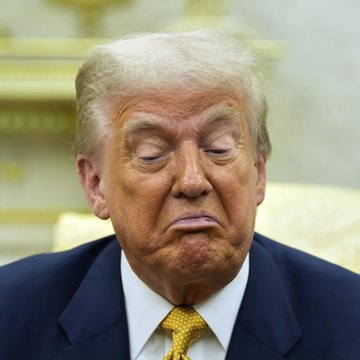
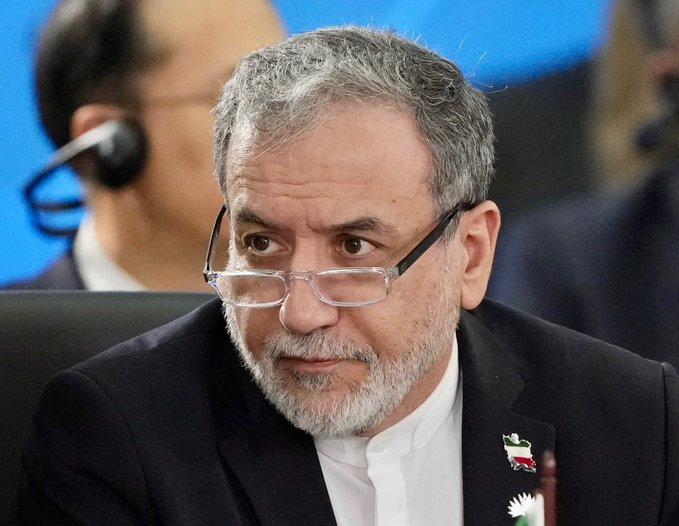
‘We Have All the Cards’: Trump’s Negotiating Stance
The President’s remarks follow the cancellation of a planned trip by US envoys Steve Witkoff and Jared Kushner to Islamabad, Pakistan, where they had been expected to conduct a second round of indirect talks with Iranian mediators. Trump scrapped the trip on Saturday, claiming that the US “has all the cards” and that there was “no point” in sending envoys on an 18-hour flight—only to have Iranian representatives leave the negotiating table prematurely.
Despite his harsh rhetoric, Trump has left the diplomatic door open—if only on his own terms.
“We’re ready. We have the greatest military in the world. But we don’t want to use it. They can call anytime they want.”
— President Donald Trump
Trump did not specify whether the offer applies to Iran’s Supreme Leader, Ayatollah Mojtaba Khamenei, whose reported injuries and whereabouts remain unconfirmed, or to President Masoud Pezeshkian and Foreign Minister Abbas Araghchi, who are currently leading postwar negotiations on Iran’s behalf .
‘Don’t Rush Me’: No Timeline for Action
When pressed by reporters on when he would decide whether to launch further strikes on Iran or pursue a negotiated settlement, Trump was evasive.
“I’ll decide when I decide. Don’t rush me.”
The Republican nominee added that if he eventually dispatches his envoys back to the region, they will “do a great job” — implying that the pause in direct shuttle diplomacy is not permanent .
Trump reiterated that force remains a credible option: “We have the most powerful military in the world, and it’s ready to go anytime we need it. But negotiators are better than fighters” .
Why the ‘Phone Call’ Offer Matters
Trump’s invitation to “reach out by phone” appears to be a rhetorical device—a way to shift the burden of initiating meaningful engagement onto Tehran. However, in the context of the current stalemate, the offer signals several things:
- Direct communication is possible – The US is not ruling out a leader-level call, bypassing intermediaries if necessary.
- Trump wants a deal on his terms – The phone offer implies that any negotiation would occur from a position of US strength.
- Blame-shifting – If talks do not resume, Trump can argue that Iran refused to pick up the phone.
Iran has consistently refused direct talks with the United States throughout the crisis, insisting that all negotiations occur through third-party intermediaries—specifically Pakistan and Oman. There is no indication that Tehran has changed this position, and President Masoud Pezeshkian has repeatedly stated that Iran will not negotiate under the “duress” of the US naval blockade .
Iranian FM Heads to Moscow as Diplomatic Paths Diverge
Ironically, even as Trump was speaking, Iranian Foreign Minister Abbas Araghchi was en route to Moscow for a high-level meeting with Russian President Vladimir Putin — the third leg of a three-nation diplomatic tour that included stops in Pakistan and Oman. Araghchi’s mission in Moscow is to “closely coordinate with partners on bilateral matters and consult on regional developments” — not to call Washington .
Key diplomatic movements:
- Araghchi in Moscow – Meeting President Putin (April 27)
- Talks in Islamabad – Paused after first round failed; Iran demands blockade lifted
- US envoys’ trip – Canceled by Trump on April 25
The divergence in diplomatic paths—Iran heading to Moscow while Trump waits by the phone—illustrates the fractured state of negotiations more than two months into the war .
What Comes Next: Ceasefire on the Brink
The fragile ceasefire, which took effect on April 8, has been extended unilaterally by the United States. However, Tehran has declined to commit to a second round of talks, citing:
- Continued US naval blockade – Imposed April 13, which Iran says must be lifted before negotiations
- “Excessive” American demands – Terms that Iran views as humiliating
- Uncertainty in Washington – Trump’s mixed signals (canceled envoy trips vs. offers of phone calls) leave Tehran unsure of US intentions
The longer the stalemate persists, the more likely the ceasefire is to break down. Both sides continue to maintain aggressive military postures, and the strategic waterway remains blocked .
Iran’s Alternate Path: Strengthening Ties with Russia
Araghchi’s Moscow trip sends a clear signal: Iran is not waiting by the phone. Instead, Tehran is deepening its strategic coordination with Moscow, which has provided diplomatic cover for Iran throughout the conflict—including vetoing anti-Iranian resolutions at the UN Security Council.
Russia-Iran wartime coordination:
| Area | Details |
|---|---|
| UN diplomacy | Russia vetoed an anti-Iranian resolution |
| Nuclear cooperation | Russia has defended Iran’s nuclear program as compliant |
| Military technology | Unconfirmed reports of expanded cooperation |
| Economic support | Alternative payment mechanisms to bypass sanctions |
While Trump offers a phone call, Iran is building its alliance with Moscow—a choice that underscores how far relations between Washington and Tehran have deteriorated .
Frequently Asked Questions (FAQs)
Q1: What exactly did President Trump say about Iran negotiating?
Trump said: “They have our telephone number. And they can call. If they want to talk, we’re available.”
Q2: Has Iran accepted the offer to call?
No. Iran has consistently refused direct talks, insisting all negotiations occur through third-party intermediaries (Pakistan and Oman). There is no indication this position has changed .
Q3: Why did Trump cancel the US envoys’ trip to Pakistan?
Trump claimed there was “no point” in sending envoys on an 18-hour flight when Iran had already left the negotiating table. He added that the US “has all the cards” and Iran can “call anytime” .
Q4: Is the ceasefire still holding?
A fragile ceasefire is in place, but Iran has refused to commit to a second round of talks. The US has extended the truce unilaterally, but the stalemate could collapse at any time .
Q5: Where is Iran’s Foreign Minister Araghchi going instead of negotiating with the US?
Araghchi is flying to Moscow for a meeting with Russian President Putin—the final leg of a three-nation tour (Pakistan, Oman, Russia) .
Q6: Does Trump have a timeline for military action against Iran?
Trump declined to provide a timeline, telling reporters “Don’t rush me.” However, he reiterated that the US military is “ready to go” and remains an option .
Q7: What would a phone call between Trump and Iranian leadership look like?
If it occurred, it would be the first direct communication between a sitting US president and Iranian leadership since the war began, potentially signaling a major breakthrough—or a final ultimatum .
Q8: Who would Trump speak to on the Iranian side?
Trump did not specify. Options include President Masoud Pezeshkian (head of government), Supreme Leader Ayatollah Mojtaba Khamenei (head of state), or possibly Foreign Minister Abbas Araghchi .
Key Takeaways for Reflecto News Readers
| Aspect | Summary |
|---|---|
| Trump’s Offer | “They can call… if they want to talk, we’re available” |
| US Negotiating Posture | Unilateral ceasefire extension; envoy trip canceled |
| Iran’s Negotiating Posture | Refuses direct talks; demands blockade lifted |
| Araghchi’s Location | Moscow (heading to meet President Putin) |
| Ceasefire Status | Fragile; Iran refuses second round |
| Next Potential Step | Unclear; US “ready” but Iran not calling |
Follow Reflecto News for continuous updates on the US-Iran conflict, ceasefire negotiations, and all breaking news from around the world.
This article is the intellectual property of Reflecto News. Redistribution without attribution is prohibited. For syndication or media inquiries, please contact the editorial team.