Reflecto News is an online news platform covering major international political events, global economic developments, and security conflicts. The site provides updates on topics such as Chinese manufacturing dominance, Middle Eastern political tensions, and high profile legal arrests. Readers can access current articles organized by categories like World News, Iran, and USA.
US Central Command says four “one-way attack drones” posed an immediate threat to maritime traffic, as tit-for-tat military actions test the limits of a fragile ceasefire.
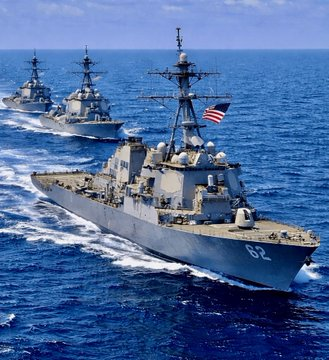
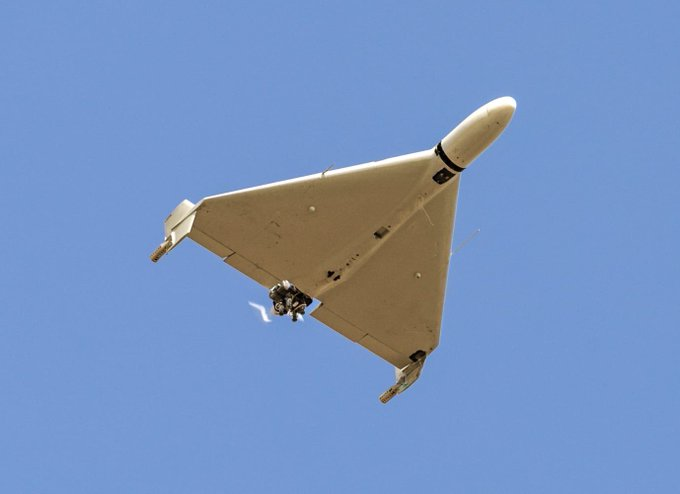
WASHINGTON — The United States military shot down four Iranian drones launched toward the strategic Strait of Hormuz on Friday, later striking Iranian coastal surveillance radar sites in what US Central Command (CENTCOM) described as a defensive response to protect regional shipping and prevent further attacks .
“Moments ago, CENTCOM forces shot down four Iranian one-way attack drones that were launched toward the Strait of Hormuz,” the command announced on social media Friday evening, Washington time. “The attack drones posed an immediate threat to regional maritime traffic” .
US forces subsequently struck Iranian coastal surveillance radar sites in Goruk and on Qeshm Island—a strategically vital island that controls access to the Strait of Hormuz—“to defend against further attacks,” CENTCOM said .
“American forces remain vigilant and postured to respond to unjustified Iranian aggression in self-defense,” the command added .
The Drone Threat: ‘One-Way Attack’ UAVs
CENTCOM described the intercepted drones as “one-way attack” unmanned aerial vehicles—weaponized drones designed to crash into their targets rather than return to base. The four UAVs were launched from Iranian territory and were heading toward the Strait of Hormuz, through which approximately 20 percent of the world’s oil supply normally passes .
US officials have not disclosed whether any of the drones were successfully destroyed before reaching their intended targets or whether any damage was inflicted. No casualties were reported in Friday’s incidents .
The drone shootdowns came just hours after the Biden administration—and now the Trump administration, which took office in January 2025—had to reject a separate claim by Iran’s navy that it had fired warning missiles and drones at US warships in the Gulf of Oman . CENTCOM dismissed that assertion as “completely false,” stating that “Iranian forces did NOT attack or fire at any U.S. Navy warships. Doing so would be a gross violation of the ceasefire” .
Why Qeshm Island Matters
The US retaliatory strikes targeted two specific locations: the Goruk radar site and radar installations on Qeshm Island, the largest island in the Persian Gulf . Qeshm holds outsized strategic importance because of its location at the entrance to the Strait of Hormuz, effectively serving as an unsinkable platform from which Iran can monitor and threaten shipping through the world’s most critical oil chokepoint .
According to US intelligence, Iran has used radar sites on Qeshm and along the coast to track commercial vessels, US Navy warships, and military aircraft in the region. By striking these sites, the US military aims to degrade Iran’s ability to surveil and target maritime traffic in the strait .
The island has been a flashpoint throughout the US-Israeli war with Iran, which began on February 28 when the United States and Israel launched coordinated strikes against Iran. In April, US forces reportedly struck a freshwater desalination plant on Qeshm—an attack that Tehran said cut off water to 30 surrounding villages [citation:previous coverage].
The Fragile Ceasefire: Holding, but Tested
Friday’s exchange is the latest in a series of tit-for-tat military actions that have strained a fragile ceasefire brokered by Pakistan in early April. That ceasefire halted major hostilities after 40 days of US-Israeli strikes on Iran, but it has been repeatedly tested by continued skirmishes .
Earlier this week, Iranian drones heavily damaged a passenger terminal at Kuwait’s main airport, killing one person, wounding dozens, and briefly closing the airfield . Iran’s Islamic Revolutionary Guard Corps (IRGC) denied responsibility, claiming the damage was caused by an error from a US missile interceptor—a claim CENTCOM called “false,” insisting the strike was “deliberate, calculated and unjustified” .
The escalating tit-for-tat comes as diplomatic efforts to reach a lasting agreement remain stalled. Indirect negotiations between Washington and Tehran, mediated primarily by Pakistan with support from Qatar, have failed to produce a breakthrough on core issues: Iran’s enriched uranium stockpile (estimated at 440 kg of uranium enriched to 60 percent purity), control of the Strait of Hormuz, and the release of frozen Iranian assets [citation:previous coverage].
Despite the military escalation, President Donald Trump struck an optimistic tone Friday, telling reporters in Wisconsin that “things with Iran seem to be going pretty well” .
“We’re going to be withdrawing from Iran soon, and the outcome will be decisive one way or another, whether it’s through a deal on paper or tough measures,” Trump said. “The tough way is probably easier, but either way we’re going to get it done” .
Earlier in the day, Trump told NBC News that Iran still retains drones and about “21%-22%” of the missiles it had before the US launched its military campaign. “Most of the drone factories have been knocked out, most of the launching pads have been knocked out, and most of the missile manufacturing areas have been knocked out. But they still have capacity,” he said. “They have some missiles, they have some drones. It’s a lot of missiles, but it’s not what it was when we first attacked” .
The US Naval Blockade and the Strait of Hormuz Standoff
The US military has been enforcing a naval blockade on Iranian ports since April 13, restricting Iran’s ability to export oil and import goods. The blockade was imposed as part of the “maximum pressure” campaign designed to force Tehran to the negotiating table .
Iran responded by effectively closing the Strait of Hormuz to normal commercial shipping, declaring a “controlled maritime zone” and requiring vessels to obtain permits from Iranian authorities for passage . The standoff has sent global energy prices soaring and disrupted international supply chains.
CENTCOM has reported that since the blockade was imposed, US forces have “redirected” 72 commercial vessels attempting to breach the embargo and disabled four Iranian-flagged tankers. The US has also seized at least three Iran-linked tankers in the Indian Ocean during the conflict [citation:previous coverage].
What Comes Next
With both sides continuing military actions even as diplomatic talks continue, the fragile ceasefire—already described by officials as “precariously holding”—faces increasing strain.
| Scenario | Likelihood | Key Factors |
|---|---|---|
| Continued skirmishes without full-scale war | High | Both sides have incentive to avoid escalation while talks continue |
| Diplomatic breakthrough | Uncertain | Core issues of uranium, strait control, and assets remain unresolved |
| Ceasefire collapse / full war resumption | Possible | Tit-for-tat strikes could spiral out of control |
| Expanded regional conflict | Low but rising | Hezbollah, Gulf states could be drawn in further |
Trump told reporters Thursday that the United States “doesn’t need a deal” to remove Iran’s enriched uranium stockpile, suggesting military options remain on the table. However, he acknowledged that a ground operation to forcibly remove the material would require “a lot of equipment” and at least two weeks of sustained operations [citation:previous coverage].
For now, the US military remains on high alert, with forces “postured to respond to unjustified Iranian aggression in self-defense” . The drones have been shot down, the radar sites have been struck, and the ceasefire—while strained—has not yet collapsed.
But as one CENTCOM statement made clear: the US will continue to enforce its blockade, protect maritime traffic, and respond to what it considers Iranian provocations—whether in the strait, in Kuwait, or elsewhere in the region.
Frequently Asked Questions (FAQs)
Q1: How many drones did the US shoot down?
A: The US military shot down four Iranian “one-way attack drones” that were launched toward the Strait of Hormuz on Friday, according to CENTCOM .
Q2: Did the US respond with its own strikes?
A: Yes. Following the drone intercepts, US forces struck Iranian coastal surveillance radar sites in Goruk and on Qeshm Island “to defend against further attacks” .
Q3: Why is Qeshm Island strategically important?
A: Qeshm Island is the largest island in the Persian Gulf and sits at the entrance to the Strait of Hormuz—the waterway through which approximately 20 percent of the world’s oil passes. Iran uses radar sites on the island to monitor and threaten maritime traffic .
Q4: Did Iran claim to have attacked US warships?
A: Yes. Iran’s navy claimed it fired warning missiles and drones at US warships in the Gulf of Oman. CENTCOM dismissed the claim as “completely false,” stating that “Iranian forces did NOT attack or fire at any U.S. Navy warships” .
Q5: What is the status of the ceasefire?
A: A fragile ceasefire brokered by Pakistan in early April remains nominally in place. However, the ceasefire has been repeatedly tested by continued skirmishes, including this week’s drone attack on Kuwait’s international airport, which killed one person and wounded dozens .
Q6: What did President Trump say about the situation?
A: Trump told reporters in Wisconsin that “things with Iran seem to be going pretty well.” He also said the US would get a “decisive” outcome “whether it’s through a deal on paper or tough measures. The tough way is probably easier, but either way we’re going to get it done” .
This is a developing story. Reflecto News will continue to provide updates on US-Iran military actions, the status of the ceasefire, and any progress in diplomatic negotiations.
Questions people ask
What is China's current share of global manufacturing?
China now accounts for twenty eight percent of global manufacturing. This industrial output exceeds the combined manufacturing production of the United States, Japan, and Germany, making China the leading global industrial power according to recent reports.
Why were Andrew Tate and Tristan Tate arrested in Miami?
Andrew Tate and his brother Tristan Tate were taken into custody in Miami by the United States Marshals Service. They face thirty eight new charges in the United Kingdom, including rape and child pornography offences, and prosecutors are seeking their extradition.
What warning did Moscow issue about oil prices?
Kirill Dmitriev, the Chief Executive of the Russian Direct Investment Fund, warned that a tsunami of skyrocketing oil prices is approaching. Moscow describes this potential energy shock as a major threat to global markets.
What political shift is projected for Benjamin Netanyahu's coalition?
Political polls project that Prime Minister Benjamin Netanyahu's coalition is on track to lose its majority in the upcoming October election. This projection indicates a potential political shift in Jerusalem.
Why did a Russian military aircraft land in Tehran?
A Russian airborne command aircraft, widely known as a doomsday plane, landed in Tehran. The arrival of the aircraft represents a high stakes show of support from Russia for Iran during a period of heightened regional tensions.
What did President Masoud Pezeshkian claim about the United States and Israel?
Iranian President Masoud Pezeshkian claimed that the United States and Israel failed in a forty eight hour plan to topple the Iranian government. He made these statements during a televised address marking two years since his inauguration.