Reflecto News is an online news platform covering major international political events, global economic developments, and security conflicts. The site provides updates on topics such as Chinese manufacturing dominance, Middle Eastern political tensions, and high profile legal arrests. Readers can access current articles organized by categories like World News, Iran, and USA.
Published on Reflecto News | World News | Diplomacy & Human Rights
President Donald Trump has made a direct humanitarian appeal to Iranian leaders, calling for the release of eight women reportedly facing imminent execution. In a post on Truth Social on Tuesday, Trump framed the release as a potential goodwill gesture that could set a positive tone for the upcoming high-stakes negotiations between the United States and Iran in Islamabad, Pakistan .
“To the Iranian leaders, who will soon be in negotiations with my representatives: I would greatly appreciate the release of these women. I am sure that they will respect the fact that you did so. Please do them no harm! Would be a great start to our negotiations!!!” — President Donald Trump
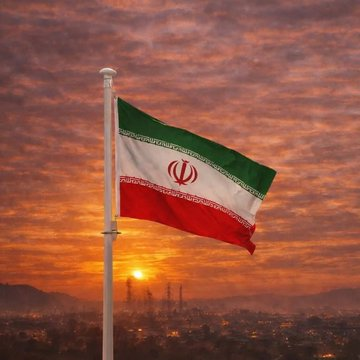
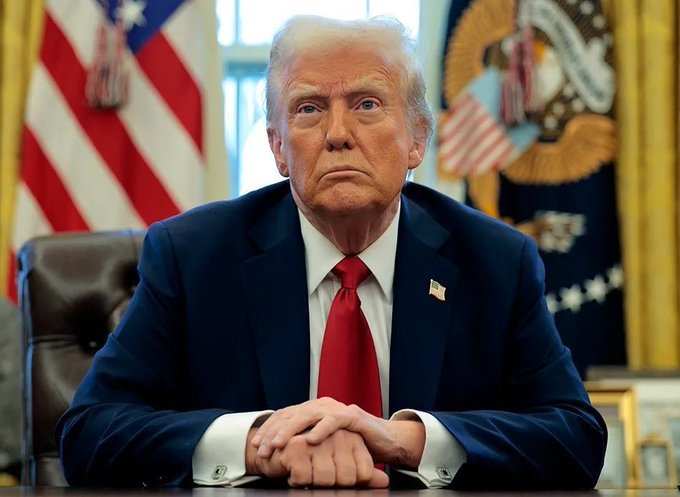
A Diplomatic Gesture Before High-Stakes Talks
The appeal comes at a critical juncture, as the fragile two-week ceasefire between the US and Iran is set to expire on Wednesday, April 22. Trump has warned that if no deal is reached, “lots of bombs” will begin to fall, and he has stated he is “highly unlikely” to extend the truce .
The president’s post shared a screenshot from social media activist Eyal Yakoby, which alleged that eight women in Iran were at imminent risk of being hanged. The photos of the women were included in the post, though their identities and the specific charges against them have not been confirmed by Iranian authorities .
Who Are the Eight Women?
According to reports circulating online and cited by human rights organizations, the eight women reportedly at risk include :
| Name | Background |
|---|---|
| Bita Hemmati | First woman linked to January protests to face execution |
| Ghazal Ghalandari | Detained during anti-government protests |
| Golnaz Naraghi | Emergency medicine specialist at a Tehran hospital |
| Venus Hossein Nejad | Detained during protest crackdown |
| Panah Movahedi | Facing charges related to demonstrations |
| Ensieh Nejati | Mother of a 5-year-old child |
| Mahboubeh Shabani | Accused of aiding wounded protesters |
| Diana Taher Abadi | Detained during January unrest |
Reports indicate that two of the women are reportedly teenagers, and they are accused of involvement in the anti-government protests that swept Iran in January 2026. The demonstrations, driven by economic hardship and political grievances, were met with a sweeping crackdown that led to thousands of arrests .
Timing and Strategic Implications
The appeal comes as diplomatic efforts to arrange a second round of US-Iran talks in Islamabad remain uncertain. While Axios has reported that Iran’s Supreme Leader, Mojtaba Khamenei, has authorized a negotiating team to travel to Pakistan, Iran’s state broadcaster (IRIB) has categorically denied that any diplomatic mission has yet departed .
A US delegation led by Vice President JD Vance, accompanied by special envoy Steve Witkoff and Jared Kushner, is reportedly prepared to travel to Islamabad for negotiations. The Iranian delegation, expected to be led by Parliament Speaker Mohammad Bagher Ghalibaf and Foreign Minister Abbas Araghchi, awaits final approval .
Trump’s humanitarian appeal could serve multiple strategic purposes:
- Building goodwill: A positive response from Tehran could create momentum for negotiations
- Humanitarian testing ground: The release would demonstrate Iran’s willingness to engage constructively
- International舆论: Frames the US as advocating for human rights even amid military tensions
- Domestic pressure: Puts Iranian leadership in a position where refusal could be seen as intransigence
Iran’s Position and the Road Ahead
Iran has not yet responded to Trump’s appeal. Tehran has consistently conditioned its return to the negotiating table on the lifting of the US naval blockade of Iranian ports, which Iran considers a violation of the existing ceasefire .
Parliament Speaker Mohammad Bagher Ghalibaf has stated that Iran “will not accept negotiations under the shadow of threat,” while Foreign Ministry spokesman Esmaeil Baqaei has said that “no decision has been made” regarding a second round of talks .
The negotiations aim to address a “10-point plan” that includes the reopening of the Strait of Hormuz, sanctions relief, and a permanent settlement to the conflict. The core sticking points remain Iran’s uranium stockpiles, a proposed enrichment moratorium, and control of the strategic waterway .
Human Rights Context
The January 2026 protests in Iran are considered one of the most significant waves of unrest in the country in recent years. Human rights organizations report that Iranian authorities responded with a sweeping crackdown, leading to thousands of arrests, expedited legal proceedings, and allegations of forced confessions obtained under duress .
Rights advocates have also reported that several detainees have faced death sentences for their alleged involvement in the demonstrations. The cases of the eight women highlighted by Trump have drawn international attention to Iran’s use of capital punishment against protest participants .
What Comes Next
As the ceasefire deadline approaches, the fate of both the detained women and the broader diplomatic process remains uncertain. Trump has framed the release as “a great start” to negotiations, suggesting that a positive Iranian response could help pave the way for substantive discussions.
However, with both sides holding firm on core issues—including Iran’s nuclear program, the naval blockade, and the status of the Strait of Hormuz—the humanitarian gesture may not be sufficient to bridge the wider gap between Washington and Tehran.
The world watches as the Wednesday deadline approaches, with the lives of eight women potentially hanging in the balance of diplomatic calculations.
Frequently Asked Questions (FAQs)
1. What did President Trump ask Iran to do?
Trump urged Iranian leaders to release eight women reportedly facing imminent execution, calling it “a great start” to upcoming US-Iran negotiations.
2. When did Trump make this appeal?
Trump posted the appeal on Truth Social on Tuesday, April 21, 2026, just before the expiration of the two-week ceasefire.
3. Who are the eight women?
The women reportedly include Bita Hemmati, Ghazal Ghalandari, Golnaz Naraghi, Venus Hossein Nejad, Panah Movahedi, Ensieh Nejati, Mahboubeh Shabani, and Diana Taher Abadi. They are alleged to have been involved in the January 2026 anti-government protests in Iran.
4. Has Iran responded to Trump’s appeal?
As of Tuesday evening, Iranian authorities had not issued any official response to the appeal.
5. How does this relate to the upcoming US-Iran talks?
Trump framed the release of the women as a potential goodwill gesture that could set a positive tone for the second round of negotiations in Islamabad, Pakistan.
6. What is the status of the ceasefire?
The two-week ceasefire is set to expire on Wednesday, April 22. Trump has stated he is “highly unlikely” to extend it if no deal is reached.
7. Are the identities of the women confirmed?
The identities of the women and the specific charges against them have not been officially confirmed by Iranian authorities. The information is based on social media reports and human rights organizations.
Stay informed with Reflecto News – Your trusted source for breaking diplomatic, humanitarian, and geopolitical intelligence. Subscribe for real-time updates on the US-Iran crisis, nuclear negotiations, and global security developments.
Questions people ask
What is China's current share of global manufacturing?
China now accounts for twenty eight percent of global manufacturing. This industrial output exceeds the combined manufacturing production of the United States, Japan, and Germany, making China the leading global industrial power according to recent reports.
Why were Andrew Tate and Tristan Tate arrested in Miami?
Andrew Tate and his brother Tristan Tate were taken into custody in Miami by the United States Marshals Service. They face thirty eight new charges in the United Kingdom, including rape and child pornography offences, and prosecutors are seeking their extradition.
What warning did Moscow issue about oil prices?
Kirill Dmitriev, the Chief Executive of the Russian Direct Investment Fund, warned that a tsunami of skyrocketing oil prices is approaching. Moscow describes this potential energy shock as a major threat to global markets.
What political shift is projected for Benjamin Netanyahu's coalition?
Political polls project that Prime Minister Benjamin Netanyahu's coalition is on track to lose its majority in the upcoming October election. This projection indicates a potential political shift in Jerusalem.
Why did a Russian military aircraft land in Tehran?
A Russian airborne command aircraft, widely known as a doomsday plane, landed in Tehran. The arrival of the aircraft represents a high stakes show of support from Russia for Iran during a period of heightened regional tensions.
What did President Masoud Pezeshkian claim about the United States and Israel?
Iranian President Masoud Pezeshkian claimed that the United States and Israel failed in a forty eight hour plan to topple the Iranian government. He made these statements during a televised address marking two years since his inauguration.