Reflecto News is an online news platform covering major international political events, global economic developments, and security conflicts. The site provides updates on topics such as Chinese manufacturing dominance, Middle Eastern political tensions, and high profile legal arrests. Readers can access current articles organized by categories like World News, Iran, and USA.
Published on Reflecto News | World News | Diplomacy & Geopolitics
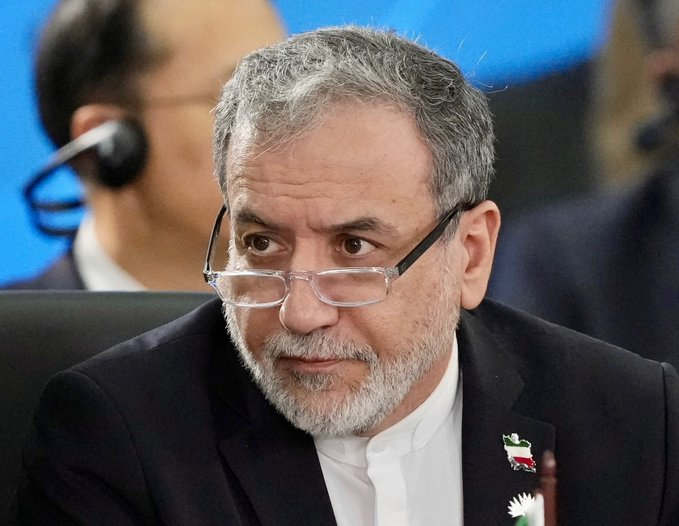
A former senior U.S. hostage negotiator has offered a blunt comparative assessment of America’s adversaries, stating that Iranian negotiators are significantly tougher than the Taliban. The remarks, made during a panel discussion on hostage diplomacy, provide a rare inside look at the challenges U.S. diplomats face when sitting across the table from Tehran .
“The Iranians are tougher negotiators than the Taliban. The Taliban were difficult, but the Iranians are a different level entirely. They are strategic, patient, and they understand the long game in a way that few others do.” — Former Senior U.S. Hostage Negotiator
Why the Comparison Matters
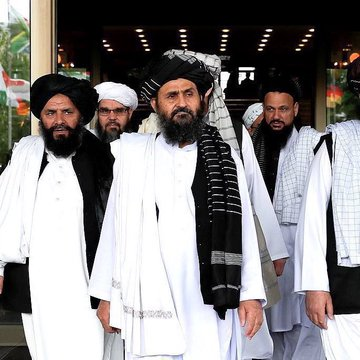
The comparison is significant because the United States has extensive experience negotiating with both adversaries. U.S. diplomats spent nearly two years negotiating with the Taliban, culminating in the February 2020 Doha Agreement that led to the withdrawal of U.S. troops from Afghanistan . Those negotiations were marked by frustration, delays, and allegations of bad faith — but according to the former negotiator, the Taliban were still easier to deal with than Iran.
The negotiator spoke on condition of anonymity due to the sensitivity of ongoing diplomatic efforts, but the assessment aligns with what other U.S. officials have said privately about the challenges of engaging with Tehran.
The Iranian Style: Strategic Patience and Leverage
The negotiator noted several key characteristics that make Iran such a formidable counterpart:
1. Strategic Patience
Unlike the Taliban, who were often eager to reach an agreement to secure the withdrawal of U.S. troops, Iran is willing to wait. Iranian negotiators understand that time often works in their favor — a lesson they learned from the 2015 Joint Comprehensive Plan of Action (JCPOA) negotiations, which took nearly two years to conclude.
2. Mastery of Leverage
Iran has spent decades cultivating sources of leverage that it deploys expertly at the negotiating table. The Strait of Hormuz, its nuclear program, its network of regional proxies, and its ability to detain foreign nationals are all tools Tehran uses to extract concessions. As the former negotiator put it: “They know what they have, and they know what you want. And they never forget it.”
3. Historical Grievance
Iranian negotiators bring a deeply embedded sense of historical injustice to the table. The 1953 CIA-backed coup, U.S. support for Saddam Hussein during the Iran-Iraq War, the 1988 downing of Iran Air Flight 655, and Trump’s 2018 withdrawal from the JCPOA are all part of the narrative they use to frame their demands.
4. Institutional Memory
The same Iranian officials — including Foreign Minister Abbas Araghchi — have been involved in nuclear negotiations for over two decades. This institutional memory gives Iran a significant advantage over U.S. negotiating teams, which change composition with every administration.
The Taliban Comparison
The Taliban, by contrast, were focused almost entirely on a single objective: the withdrawal of U.S. troops and the establishment of their Islamic Emirate. While they were skilled negotiators, their objectives were narrower and their timeline more compressed.
| Comparison | Iran | Taliban |
|---|---|---|
| Strategic patience | Extremely high; willing to wait years | Moderate; focused on specific timeline |
| Leverage | Multiple (nuclear program, Hormuz, proxies, hostages) | Limited (insurgency, safe havens) |
| Institutional memory | Deep; same officials for decades | Shallow; leadership changes frequent |
| Historical narrative | Long-standing grievance against U.S. | Recent grievance (20-year war) |
| Negotiating style | Methodical, legalistic | Pragmatic, results-oriented |
Implications for Current Negotiations
The assessment comes at a critical moment. The fragile ceasefire between the U.S. and Iran has been extended, but a second round of peace talks in Islamabad has not yet occurred .
| Factor | Status |
|---|---|
| Ceasefire | Extended, but contested |
| U.S. naval blockade | Active and enforced |
| Iran’s delegation to Islamabad | Refusing to send until blockade lifted |
| Nuclear negotiations | Stalled |
| Hostage negotiations | Ongoing (separate track) |
The former negotiator’s comments suggest that any future negotiations with Iran — whether on the nuclear program, hostages, or regional security — will require a level of patience and strategic thinking that the U.S. has not always demonstrated.
The Hostage Dimension
The negotiator’s expertise is in hostage diplomacy, and Iran’s use of detained foreign nationals as bargaining chips has been a persistent feature of U.S.-Iran relations. Iran currently holds multiple U.S. citizens on charges widely condemned as baseless .
In the past, hostage negotiations have been conducted on a track separate from nuclear talks, but the two often become intertwined. The former negotiator noted: “They will use any leverage they have, including the innocent people they are holding, to get what they want.”
What Comes Next
The assessment that Iran is a tougher negotiating partner than the Taliban is not a counsel of despair — it is a warning that the U.S. must prepare for a long, difficult process.
| Lesson for U.S. Negotiators | Application |
|---|---|
| Patience is essential | Rushing to a deal plays into Iran’s hands |
| Leverage must be preserved | The U.S. must maintain pressure while negotiating |
| Institutional memory matters | The U.S. needs continuity in its negotiating team |
| Historical grievances must be addressed | Acknowledgment of past actions can build trust |
The former negotiator concluded: “We tend to think that because we have more power, we should be able to dictate terms. But Iran has shown again and again that power alone is not enough. You have to out-think them, out-wait them, and out-negotiate them. And that is very, very hard.”
Frequently Asked Questions (FAQs)
1. Who said Iranians are tougher negotiators than the Taliban?
A former senior U.S. hostage negotiator made the comments during a panel discussion on hostage diplomacy.
2. Why are Iranians considered tougher negotiators?
The negotiator cited Iran’s strategic patience, mastery of leverage, deeply embedded historical grievances, and exceptional institutional memory as key factors.
3. How does this compare to the Taliban?
The negotiator described the Taliban as focused on a single objective (U.S. withdrawal) with a compressed timeline, while Iran plays a much longer, more complex game with multiple sources of leverage.
4. Does this assessment affect current negotiations?
The assessment is pertinent to ongoing U.S.-Iran negotiations. The former negotiator’s comments suggest that any future talks will require extraordinary patience and strategic thinking from the U.S. side.
5. What leverage does Iran have at the negotiating table?
Iran’s leverage includes its nuclear program, its ability to disrupt the Strait of Hormuz, its network of regional proxies (Hezbollah, Houthis, Iraqi militias), and its detention of foreign nationals.
6. Is the hostage track separate from nuclear negotiations?
Historically, hostage negotiations have been conducted on a separate track, but the two often become intertwined. Iran has used detained foreign nationals as bargaining chips in broader negotiations.
7. What is the current status of U.S.-Iran negotiations?
A fragile ceasefire brokered by Pakistan has been extended, but a second round of peace talks in Islamabad has not yet occurred. Iran has refused to send a delegation until the U.S. lifts its naval blockade of the Strait of Hormuz.
Stay informed with Reflecto News – Your trusted source for breaking diplomatic, intelligence, and geopolitical reporting. Subscribe for real-time updates on the US-Iran standoff, hostage negotiations, and global security developments.
Questions people ask
What is China's current share of global manufacturing?
China now accounts for twenty eight percent of global manufacturing. This industrial output exceeds the combined manufacturing production of the United States, Japan, and Germany, making China the leading global industrial power according to recent reports.
Why were Andrew Tate and Tristan Tate arrested in Miami?
Andrew Tate and his brother Tristan Tate were taken into custody in Miami by the United States Marshals Service. They face thirty eight new charges in the United Kingdom, including rape and child pornography offences, and prosecutors are seeking their extradition.
What warning did Moscow issue about oil prices?
Kirill Dmitriev, the Chief Executive of the Russian Direct Investment Fund, warned that a tsunami of skyrocketing oil prices is approaching. Moscow describes this potential energy shock as a major threat to global markets.
What political shift is projected for Benjamin Netanyahu's coalition?
Political polls project that Prime Minister Benjamin Netanyahu's coalition is on track to lose its majority in the upcoming October election. This projection indicates a potential political shift in Jerusalem.
Why did a Russian military aircraft land in Tehran?
A Russian airborne command aircraft, widely known as a doomsday plane, landed in Tehran. The arrival of the aircraft represents a high stakes show of support from Russia for Iran during a period of heightened regional tensions.
What did President Masoud Pezeshkian claim about the United States and Israel?
Iranian President Masoud Pezeshkian claimed that the United States and Israel failed in a forty eight hour plan to topple the Iranian government. He made these statements during a televised address marking two years since his inauguration.