Reflecto News is an online news platform covering major international political events, global economic developments, and security conflicts. The site provides updates on topics such as Chinese manufacturing dominance, Middle Eastern political tensions, and high profile legal arrests. Readers can access current articles organized by categories like World News, Iran, and USA.
U.S. President says military remains on standby for “full, large-scale assault” if negotiations fail to produce acceptable deal.
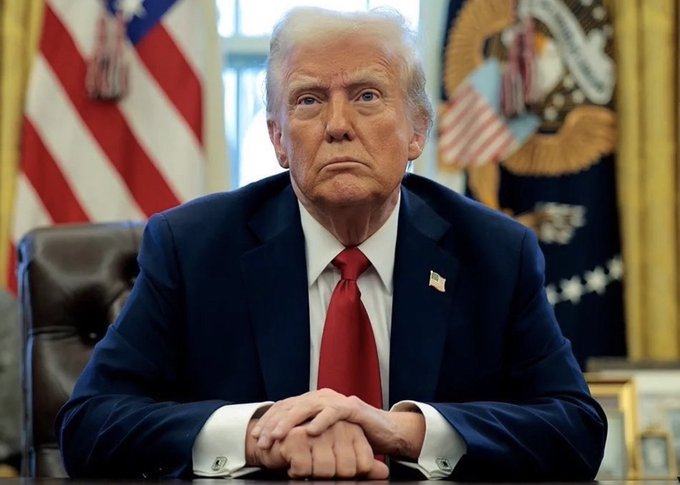
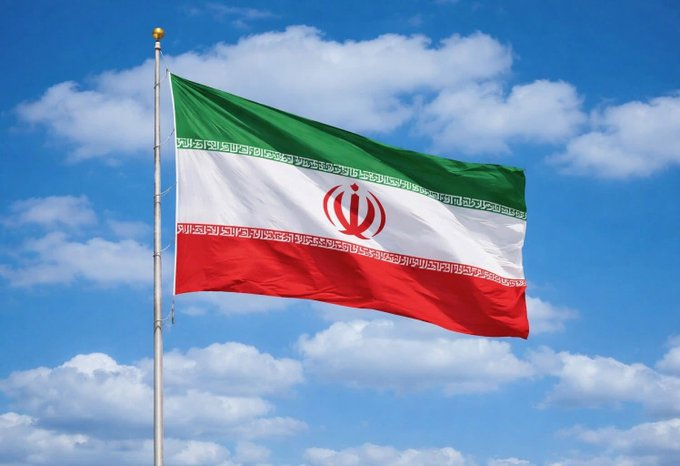
WASHINGTON — President Donald Trump announced Monday that he has postponed a planned military strike against Iran, which had been scheduled for Tuesday, following direct appeals from the leaders of Qatar, Saudi Arabia, and the United Arab Emirates who believe a diplomatic breakthrough may be within reach .
“I have been asked by the Emir of Qatar, Tamim bin Hamad Al Thani, the Crown Prince of Saudi Arabia, Mohammed bin Salman Al Saud, and the president of the United Arab Emirates, Mohamed bin Zayed Al Nahyan, to hold off on our planned military attack of the Islamic Republic of Iran, which was scheduled for tomorrow,” Trump wrote in a lengthy post on Truth Social .
The Gulf leaders, whom Trump described as “great leaders and Allies,” argued that “serious negotiations are now taking place, and that, in their opinion, … a Deal will be made, which will be very acceptable to the United States of America, as well as all Countries in the Middle East, and beyond” .
“This Deal will include, importantly, NO NUCLEAR WEAPONS FOR IRAN!” Trump emphasized .
Military Remains on High Alert
While agreeing to the delay, Trump made clear that the pause is conditional and temporary. He announced he has instructed Secretary of Defense Pete Hegseth, Chairman of the Joint Chiefs of Staff General Daniel Caine, and the U.S. military “that we will NOT be doing the scheduled attack of Iran tomorrow, but have further instructed them to be prepared to go forward with a full, large scale assault of Iran, on a moment’s notice, in the event that an acceptable Deal is not reached” .
Speaking later at a White House event, Trump elaborated on the diplomatic timeline. “I was asked by Saudi Arabia, Qatar, UAE and some others if we could put it off for 2 or 3 days, a short period of time, because they think that they are getting very close to making a deal,” he told reporters .
“If we can do that where there’s no nuclear weapon going into the hands of Iran, I think, and if they’re satisfied, we will be probably satisfied also,” Trump added, expressing cautious optimism. “There seems to be a very good chance that they can work something out. If we can do that without bombing the hell out of them, I’d be very happy” .
Iran’s 14-Point Proposal and Diplomatic Channels
The diplomatic development follows Iran’s submission of a revised 14-point peace proposal to the United States through Pakistani mediators . According to Iranian state media, the proposal focuses on ending hostilities and implementing “trust-building” measures .
Iranian President Masoud Pezeshkian defended the decision to pursue direct talks, telling a public gathering that negotiations conducted “with dignity” are essential and that refusing dialogue is not a logical option, while also pushing back against hardline critics at home .
Iranian Foreign Ministry spokesperson Esmaeil Baghaei confirmed that Tehran’s position had been communicated to Washington through Pakistan, though he declined to provide details about the proposal’s specific terms .
According to a senior Iranian source cited by Reuters, the latest proposal closely resembles an earlier offer that Trump reportedly dismissed last week as “garbage” . However, the renewed diplomatic push appears to have created enough momentum for Gulf leaders to request a pause in military action.
The United States and Iran have been engaged in indirect backchannel negotiations through Pakistani mediators following the April 8 ceasefire that halted major hostilities . That ceasefire was brokered by Pakistan after 40 days of US-Israeli strikes on Iran that began on February 28 .
Gulf States’ Strategic Calculus
The intervention by Qatar, Saudi Arabia, and the UAE represents a significant diplomatic effort by Gulf states to prevent another round of military escalation. These nations have been directly affected by the fallout of the war, with Iran launching missile and drone attacks on facilities in Saudi Arabia, the UAE, and other neighbors in response to the initial US-Israeli strikes .
The Gulf states have also faced indirect consequences, including disruptions to energy infrastructure and heightened fears of broader regional instability . Qatar and Saudi Arabia, in particular, have played visible roles in diplomatic efforts, with leaders engaging both Washington and Tehran .
Trump also noted that Israel and regional allies had already been informed about the planned attack and its subsequent delay .
Mixed Signals from Washington
The decision to pause military action comes amid conflicting signals from the Trump administration regarding Iran policy.
On Sunday, Trump had posted on Truth Social: “For Iran, the Clock is Ticking, and they better get moving, FAST, or there won’t be anything left of them. TIME IS OF THE ESSENCE!” .
In an interview with the New York Post on Monday before announcing the delay, Trump said he is “not open to anything right now” regarding concessions to Iran, and that Tehran knows the U.S. can inflict more pain .
White House Deputy Press Secretary Anna Kelly reaffirmed the administration’s red lines in an interview with Fox News. “Nothing has changed” in regard to Iran, Kelly said, adding that Trump remains focused on the country’s nuclear program .
“The Iranian ability to enrich has been totally decimated by Operation Midnight Hammer,” Kelly said, referring to the June 2025 strikes on several Iranian nuclear facilities. “This enriched uranium that they possess, they can’t keep it. President Trump has been very clear about that. That is one of the red lines in these negotiations” .
U.S. Assessment of Iran’s Proposal
Despite the diplomatic opening, senior U.S. officials have expressed skepticism about the substance of Iran’s latest offer. According to Axios, which cited a senior U.S. official and a source briefed on the matter, the White House believes Iran’s proposal is insufficient and “not a meaningful improvement” over previous submissions .
The report noted that the revised text contains only limited changes compared to earlier versions, adding general language reaffirming Iran’s commitment not to pursue nuclear weapons but lacking concrete steps on suspending uranium enrichment or handing over its highly enriched uranium stockpile .
A senior US official previously told Axios that the sides “keep changing their goalposts,” with a Pakistani source familiar with the talks warning that “we don’t have much time” [citation:previous coverage].
According to reports, Iran’s proposal includes demands for the release of frozen assets (estimated at over $100 billion), removal of sanctions, and compensation linked to the conflict, while the US has demanded that Iran transfer 400 kilograms of highly enriched uranium and agree to long-term suspension of enrichment activities .
What Comes Next
The coming days will be critical in determining whether this diplomatic pause leads to a breakthrough or merely postpones military action. Trump has indicated that Gulf leaders asked for “2 or 3 days” to pursue negotiations .
| Scenario | Likelihood | Key Factors |
|---|---|---|
| Diplomatic breakthrough | Uncertain | Iran would need to offer concrete nuclear concessions |
| Extended ceasefire | Moderate | Gulf allies may seek to extend diplomatic window |
| Renewed US-Israeli strikes | Possible | If talks fail or Iran rejects US terms |
| Full-scale regional war | Low but rising | Escalation could draw in multiple parties |
For now, the April 8 ceasefire remains in place, and a potential military strike—one that Trump described as a “very major attack”—has been averted, at least temporarily .
As the president told reporters: “I’ve put it off for a little while, hopefully, maybe forever” .
Frequently Asked Questions (FAQs)
Q1: Did President Trump cancel the planned military attack on Iran?
A: President Trump announced he has postponed—not cancelled—the planned strike, which was scheduled for Tuesday. The attack has been delayed at the request of Gulf leaders who believe a diplomatic deal may be within reach. Trump has instructed the military to remain prepared for a “full, large-scale assault” if negotiations fail .
Q2: Which Gulf leaders asked Trump to delay the attack?
A: The Emir of Qatar, Sheikh Tamim bin Hamad Al Thani; Saudi Crown Prince Mohammed bin Salman; and UAE President Mohamed bin Zayed Al Nahyan personally requested that Trump hold off on the planned military action .
Q3: How long has the attack been delayed?
A: According to Trump’s remarks at a White House event, Gulf leaders asked for a delay of “2 or 3 days, a short period of time,” because they believe negotiations are “getting very close to making a deal” .
Q4: What is Iran proposing in its latest peace offer?
A: Iran has submitted a revised 14-point peace proposal to the United States through Pakistani mediators. The proposal focuses on ending the ongoing conflict and implementing “trust-building” measures. However, U.S. officials have described the offer as insufficient, noting it lacks concrete steps on suspending uranium enrichment or handing over Iran’s highly enriched uranium stockpile .
Q5: Is the ceasefire still in place?
A: Yes, the Pakistan-brokered ceasefire that took effect on April 8 remains officially in place. The ceasefire halted major hostilities after 40 days of US-Israeli strikes on Iran that began on February 28 .
Q6: What are the main sticking points in negotiations?
A: The US is demanding that Iran transfer its stockpile of highly enriched uranium (estimated at 400 kilograms) and agree to a long-term suspension of uranium enrichment activities. Iran is demanding the release of frozen assets (estimated at over $100 billion), removal of all sanctions, and compensation for damages from the conflict .
Q7: Has the US made any concessions to Iran during negotiations?
A: Reports indicate that the US has offered a temporary waiver on Iranian oil sanctions during negotiations, though officials insist any sanctions relief must be conditional on significant Iranian concessions. The White House has not confirmed any formal concessions .
Q8: What happens if negotiations fail?
A: Trump has made clear that the US military remains prepared to launch a “full, large-scale assault” on Iran “on a moment’s notice” if an acceptable deal is not reached. He has instructed Defense Secretary Hegseth, Chairman of the Joint Chiefs General Caine, and the US military to remain on standby .
This is a developing story. Reflecto News will continue to provide updates on US-Iran negotiations, the status of the ceasefire, and any diplomatic or military developments.
Questions people ask
What is China's current share of global manufacturing?
China now accounts for twenty eight percent of global manufacturing. This industrial output exceeds the combined manufacturing production of the United States, Japan, and Germany, making China the leading global industrial power according to recent reports.
Why were Andrew Tate and Tristan Tate arrested in Miami?
Andrew Tate and his brother Tristan Tate were taken into custody in Miami by the United States Marshals Service. They face thirty eight new charges in the United Kingdom, including rape and child pornography offences, and prosecutors are seeking their extradition.
What warning did Moscow issue about oil prices?
Kirill Dmitriev, the Chief Executive of the Russian Direct Investment Fund, warned that a tsunami of skyrocketing oil prices is approaching. Moscow describes this potential energy shock as a major threat to global markets.
What political shift is projected for Benjamin Netanyahu's coalition?
Political polls project that Prime Minister Benjamin Netanyahu's coalition is on track to lose its majority in the upcoming October election. This projection indicates a potential political shift in Jerusalem.
Why did a Russian military aircraft land in Tehran?
A Russian airborne command aircraft, widely known as a doomsday plane, landed in Tehran. The arrival of the aircraft represents a high stakes show of support from Russia for Iran during a period of heightened regional tensions.
What did President Masoud Pezeshkian claim about the United States and Israel?
Iranian President Masoud Pezeshkian claimed that the United States and Israel failed in a forty eight hour plan to topple the Iranian government. He made these statements during a televised address marking two years since his inauguration.