Published on Reflecto News | World News | Diplomacy & Human Rights
President Donald Trump has announced that eight women protesters who were reportedly facing execution in Iran will no longer be put to death, thanking Iranian leaders for respecting his intervention. The White House framed the development as a significant humanitarian breakthrough amid ongoing ceasefire negotiations between the two nations .
“Very good news! I have just been informed that the eight women protestors who were going to be executed tonight in Iran will no longer be killed. Four will be released immediately, and four will be sentenced to one month in prison. I very much appreciate that Iran, and its leaders, respected my request, as President of the United States, and terminated the planned execution.” — President Donald Trump
The announcement came just hours after Trump publicly urged Tehran to spare the women, writing on Truth Social that their release would be “a great start to our negotiations!!!”
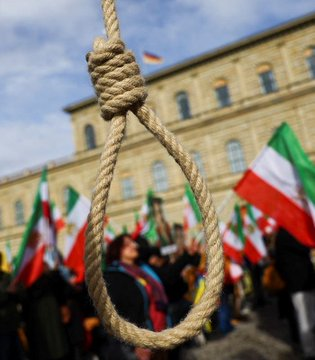
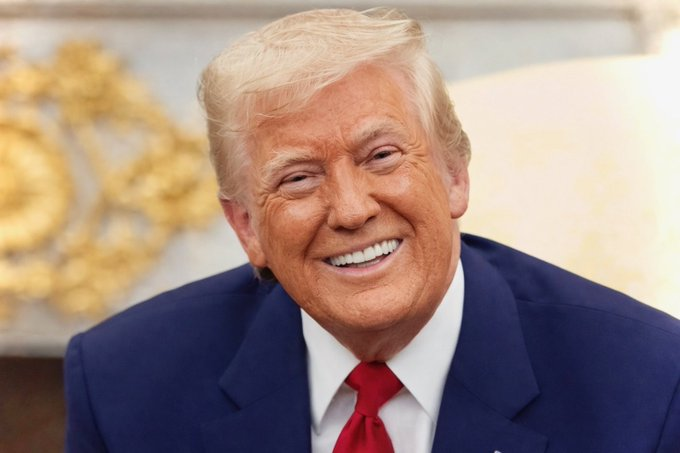
The Women at the Center of the Appeal
The eight women, whose identities were circulated by US-based Iranian activist Masih Alinejad and other rights groups, were arrested during the wave of anti-government protests that swept Iran in January 2026 . The protests, driven by economic hardship and political grievances, were met with a sweeping crackdown that activists say left thousands dead and tens of thousands detained .
The eight women identified include:
| Name | Age | Status / Allegations |
|---|---|---|
| Bita Hemmati | 30 | Reportedly sentenced to death along with her husband and two others for allegedly attacking security forces in Tehran |
| Mahboubeh Shabani | 32-33 | Charged with “waging war against God” for allegedly using her motorcycle to transport wounded protesters in Mashhad |
| Golnaz Naraghi | 37 | Emergency doctor arrested during demonstrations; rights groups say she has been released on bail |
| Venus Hosseininejad | 28 | Baha’i faith practitioner; reportedly released on bail after forced confession |
| Diana Taherabadi | 16 | Youngest of the group; charged with waging war against God, a capital offense |
| Ghazal Ghalandari | ~16-22 | Arrested in Yasuj by security forces on January 20 |
| Panah Movahedi | Unknown | Arrested during protest crackdown |
| Ensieh Nejati | Unknown | Mother of a 5-year-old child |
Sources: Hindustan Times, NDTV, New York Post, The Indian Express
Two of the women — Dr. Golnaz Naraghi and Venus Hosseininejad — had reportedly already been released on bail since late March, according to the Norway-based Iran Human Rights organization, though their cases remained ongoing .
Iran’s Contradictory Response: Denial and Action
Iran’s official response to Trump’s intervention has been notably contradictory. The judiciary’s official media arm, Mizan Online, dismissed the reports of imminent executions as “fake news,” stating that Trump had been “misled once again” .
“Trump was misled once again by fake news. The women who were claimed to be on the verge of execution, some of them have been released, while others face charges that, if convictions are upheld, would at most result in imprisonment.” — Iranian Judiciary Statement via Mizan Online
However, despite this denial, the reported outcome — that the women will not be executed — aligns with the practical result Trump claims to have secured. Rights groups have documented that at least two of the women, Bita Hemmati and Mahboubeh Shabani, face charges that carry the death penalty under Iranian law .
The Norwegian-based Iran Human Rights organization confirmed that two of the women had already been released on bail prior to Trump’s appeal, while the status of the remaining detainees remained unclear .
The Diplomatic Context: Ceasefire Negotiations
Trump’s intervention came at a critical juncture in US-Iran relations. The two-week ceasefire brokered by Pakistan, which took effect on April 8, was set to expire on April 22. Trump extended the ceasefire earlier this week at the request of Pakistani leadership, giving Tehran time to formulate a “unified proposal” for negotiations .
The president had linked the women’s fate directly to the diplomatic process, warning that executions could jeopardize the fragile negotiations . His appeal was amplified by a post from pro-Israel activist Eyal Yakoby, which Trump reposted on Truth Social, featuring a collage of the eight women .
Human Rights Context: Iran’s Execution Record
The case has drawn attention to Iran’s extensive use of capital punishment. According to a joint report by Norway-based Iran Human Rights and Paris-based Together Against the Death Penalty, at least 1,639 people were executed in Iran in 2025, including 48 women . Rights groups accuse the Islamic republic of using capital punishment to instill fear throughout society, particularly against the backdrop of the war with the US and Israel .
The January 2026 protests, in which the eight women were reportedly arrested, are considered one of the most significant waves of unrest in Iran in recent years. Human rights organizations report that Iranian authorities responded with a sweeping crackdown, leading to thousands of arrests, expedited legal proceedings, and allegations of forced confessions obtained under duress .
What Comes Next
With the immediate threat of execution reportedly lifted, attention now turns to the broader diplomatic process. The ceasefire between the US and Iran remains in effect, and both sides are expected to continue negotiations in the coming days .
| Factor | Current Status |
|---|---|
| Ceasefire | Extended; remains in effect |
| Women’s cases | Executions halted; some released, others facing lesser sentences per Trump’s claim |
| Iran’s official position | Denies imminent executions were ever scheduled |
| Rights groups | Continue to monitor cases of Bita Hemmati, Mahboubeh Shabani, and others |
Whether this humanitarian intervention will translate into broader diplomatic progress remains to be seen. But for the eight women at the center of the appeal, Trump’s intervention — and Iran’s apparent compliance — may have meant the difference between life and death.
Frequently Asked Questions (FAQs)
1. Who were the eight women Trump sought to save?
The eight women were identified as Bita Hemmati, Ghazal Ghalandari, Golnaz Naraghi, Venus Hosseininejad, Panah Movahedi, Ensieh Nejati, Mahboubeh Shabani, and Diana Taherabadi. Rights groups report that some faced charges carrying the death penalty, while others have been released on bail .
2. Did Iran confirm it was going to execute these women?
No. Iran’s judiciary denied that any of the women were facing imminent execution, calling the reports “fake news” and stating that Trump had been “misled” .
3. What did Trump claim happened?
Trump claimed that the eight women “will no longer be killed,” with four to be released immediately and four to serve one month in prison. He thanked Iranian leaders for respecting his request .
4. How does this relate to US-Iran negotiations?
Trump had urged Iran to release the women as a goodwill gesture ahead of upcoming negotiations, stating that their release would be “a great start to our negotiations” .
5. What is the status of the US-Iran ceasefire?
The two-week ceasefire was extended by President Trump at Pakistan’s request and remains in effect as diplomatic negotiations continue .
6. What is Iran’s overall execution record?
According to human rights organizations, Iran executed at least 1,639 people in 2025, including 48 women. Rights groups accuse the regime of using capital punishment to deter dissent .
Stay informed with Reflecto News – Your trusted source for breaking diplomatic, human rights, and geopolitical intelligence. Subscribe for real-time updates on the US-Iran crisis, nuclear negotiations, and global security developments.