Reflecto News is an online news platform covering major international political events, global economic developments, and security conflicts. The site provides updates on topics such as Chinese manufacturing dominance, Middle Eastern political tensions, and high profile legal arrests. Readers can access current articles organized by categories like World News, Iran, and USA.
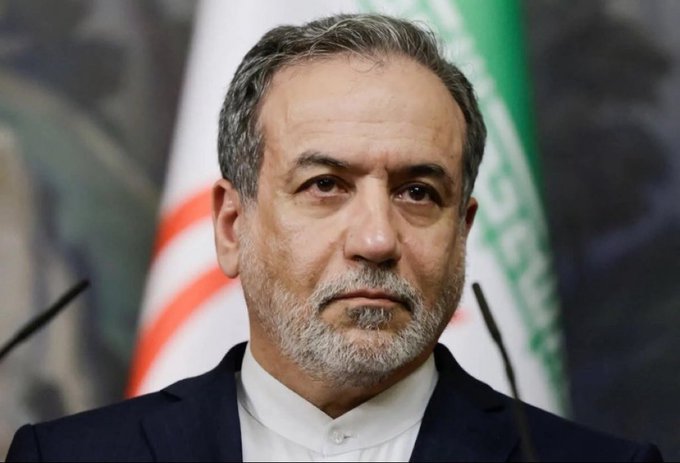
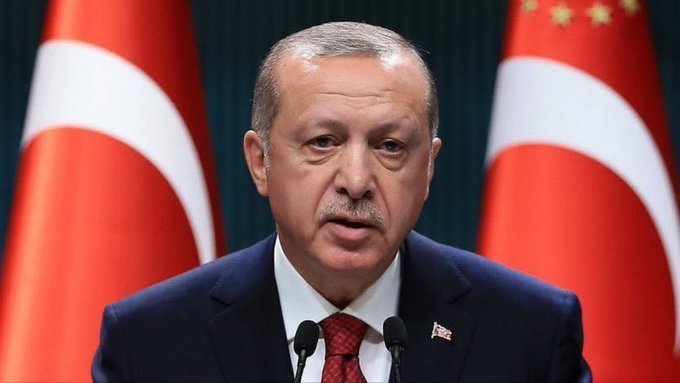
TEHRAN / ANKARA — Iranian Foreign Minister Abbas Araghchi held an emergency telephone conversation with his Turkish counterpart, Hakan Fidan, on Tuesday, March 31, 2026, to dismiss reports that Iran had fired ballistic missiles toward Turkish territory. In a strongly worded statement from the Iranian Foreign Ministry, Araghchi labeled the reports “completely baseless” and warned of “repeated false-flag operations” designed by regional enemies to sabotage ties between Tehran and Ankara.
The call follows an announcement by Turkey’s Ministry of National Defense on Monday that NATO air and missile defense assets in the Eastern Mediterranean had successfully neutralized a ballistic munition launched from Iran after it entered Turkish airspace.
“Enemies of Peace and Friendship”
Araghchi’s intervention aimed to prevent a diplomatic rupture with Turkey, a nation that has maintained a critical mediating role during the month-long U.S.-Israeli-Iranian conflict.
- Denial of Intent: Araghchi emphasized Iran’s commitment to “good neighborliness” and respect for Turkey’s sovereignty. He argued that the reported missile launch—the fourth such incident cited by Turkey since the war began—was likely a staged provocation by “enemies of peace.”
- Joint Technical Probe: In a move to demonstrate transparency, Araghchi offered to establish a joint technical commission to investigate the claims. “We are ready for joint technical cooperation to examine any claim that missiles were fired toward Turkish territory,” the Foreign Ministry statement noted.
- Condemning “Aggression”: During the call, Araghchi also urged Turkey and the international community to condemn U.S. and Israeli strikes on Iranian infrastructure, labeling threats to Iran’s energy and production hubs as “criminal” acts.
Turkey’s Delicate Balancing Act
For Foreign Minister Hakan Fidan, the call underscores the growing difficulty of maintaining neutrality as the conflict spills across borders.
- The NATO Factor: Turkey remains a key member of NATO, and the interception of the missile by NATO assets highlights Ankara’s integration into the Western defense architecture. The Turkish Defense Ministry reiterated its readiness to act “decisively against any threat to its sovereignty.”
- The “Islamabad Track”: Fidan highlighted a recent quadrilateral meeting in Islamabad involving the foreign ministers of Turkey, Pakistan, Saudi Arabia, and Egypt. This “Neutral Bloc” is actively promoting a 15-point peace plan to de-escalate tensions before the April 6 deadline.
- National Security Priority: While Turkey seeks to mediate, Fidan stressed that national security remains the “top priority,” and all necessary measures are being implemented to safeguard Turkish airspace.
| Incident Detail | Status (April 1, 2026) |
| Reported Event | NATO intercepts 4th Iranian missile over Turkey |
| Iran’s Response | “Completely Baseless”; Warning of False Flags |
| Proposed Solution | Joint Technical Investigation / Cooperation |
| Turkey’s Stance | Committed to Border Defense & Regional Mediation |
Analysis: A Strategy of Plausible Deniability?
Military analysts are divided on Araghchi’s “false flag” claim. Some suggest that rogue elements within the IRGC or regional proxies may be launching missiles to test Turkey’s defenses or force a policy shift in Ankara. Others believe the “false flag” narrative is a diplomatic tool used by Tehran to maintain its relationship with Turkey while simultaneously projecting power.
As the April 6 deadline approaches, the frequency of these “accidental” or “provocational” launches over Turkish territory suggests that the regional security umbrella is becoming increasingly frayed. For Turkey, the challenge is to remain a “bridge” between Washington and Tehran without allowing its own territory to become a corridor for the very war it is trying to end.
Questions people ask
What is China's current share of global manufacturing?
China now accounts for twenty eight percent of global manufacturing. This industrial output exceeds the combined manufacturing production of the United States, Japan, and Germany, making China the leading global industrial power according to recent reports.
Why were Andrew Tate and Tristan Tate arrested in Miami?
Andrew Tate and his brother Tristan Tate were taken into custody in Miami by the United States Marshals Service. They face thirty eight new charges in the United Kingdom, including rape and child pornography offences, and prosecutors are seeking their extradition.
What warning did Moscow issue about oil prices?
Kirill Dmitriev, the Chief Executive of the Russian Direct Investment Fund, warned that a tsunami of skyrocketing oil prices is approaching. Moscow describes this potential energy shock as a major threat to global markets.
What political shift is projected for Benjamin Netanyahu's coalition?
Political polls project that Prime Minister Benjamin Netanyahu's coalition is on track to lose its majority in the upcoming October election. This projection indicates a potential political shift in Jerusalem.
Why did a Russian military aircraft land in Tehran?
A Russian airborne command aircraft, widely known as a doomsday plane, landed in Tehran. The arrival of the aircraft represents a high stakes show of support from Russia for Iran during a period of heightened regional tensions.
What did President Masoud Pezeshkian claim about the United States and Israel?
Iranian President Masoud Pezeshkian claimed that the United States and Israel failed in a forty eight hour plan to topple the Iranian government. He made these statements during a televised address marking two years since his inauguration.