Reflecto News is an online news platform covering major international political events, global economic developments, and security conflicts. The site provides updates on topics such as Chinese manufacturing dominance, Middle Eastern political tensions, and high profile legal arrests. Readers can access current articles organized by categories like World News, Iran, and USA.
New global study reveals more than 44% of Spanish men suffer from male pattern baldness, with the nation topping international rankings as researchers search for genetic and environmental explanations.
MADRID — Spain has officially been crowned the world’s baldest country. According to a comprehensive international study on hair loss prevalence, more than 44 percent of Spanish men experience male pattern baldness—the highest rate of any nation on earth .
The finding, which has sparked widespread discussion across social media and dermatology circles alike, places Spain at the top of a list that includes Italy, France, Germany, and the United States—all countries with significant rates of androgenetic alopecia, the medical term for hereditary hair loss .
But while the ranking has generated no shortage of humor—and a bit of national soul-searching—dermatologists say the underlying science is no laughing matter. Male pattern baldness affects approximately 50 percent of men worldwide by age 50, according to the American Hair Loss Association, but the concentration in certain populations varies dramatically based on genetics, hormones, and even geography .
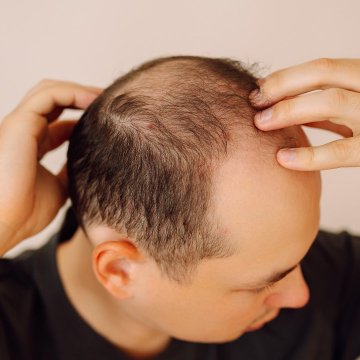

The Data: How Bald is Spain?
The study, conducted by a team of international researchers analyzing hair loss patterns across 46 countries, found that 44.5 percent of Spanish men experience male pattern baldness—a full five percentage points higher than the global average of approximately 40 percent among adult men .
Spain’s rate surpasses other traditionally “bald” nations by a notable margin:
| Rank | Country | Male Pattern Baldness Prevalence |
|---|---|---|
| 1 | Spain | 44.5% |
| 2 | Italy | 44.2% |
| 3 | France | 42.0% |
| 4 | Germany | 41.5% |
| 5 | United States | 40.9% |
*Source: International Hair Loss Prevalence Study *
The study focused on androgenetic alopecia (AGA) , the most common form of hair loss, caused by a combination of genetic predisposition and sensitivity to dihydrotestosterone (DHT), a derivative of the male hormone testosterone. DHT causes hair follicles to shrink progressively over time, eventually leading to the characteristic receding hairline and thinning crown .
Notably, the study found that rates of male pattern baldness vary significantly not just by country but by ethnicity and region. Asian populations, for example, show substantially lower rates—approximately 26 percent of men in China and 28 percent in Japan experience significant hair loss—suggesting strong genetic components to baldness .
Why Spain? The Genetic and Hormonal Theories
Dermatologists and geneticists have proposed several theories to explain why Spain—and more broadly, Mediterranean European populations—appear to have higher rates of male pattern baldness .
1. Genetic Heritage
The primary driver of androgenetic alopecia is genetics. The condition is polygenic, meaning multiple genes contribute to susceptibility. The most well-studied gene is the androgen receptor (AR) gene, located on the X chromosome—which men inherit from their mothers .
“The prevalence of androgenetic alopecia in Southern European populations is significantly higher than in Northern or Eastern European populations,” noted a 2024 study published in the Journal of Cosmetic Dermatology . The research identified specific genetic variants more common in Mediterranean populations that increase sensitivity to DHT, accelerating hair follicle miniaturization.
2. High Testosterone Levels?
A persistent myth suggests that Mediterranean men have higher testosterone levels, leading to more hair loss. The reality is more nuanced. While DHT—derived from testosterone—is the direct cause of follicle shrinkage, the relationship between testosterone levels and baldness is not straightforward .
Men with male pattern baldness do not necessarily have higher testosterone levels; rather, their hair follicles have greater genetic sensitivity to normal levels of DHT . Some studies have suggested that Southern European populations may have higher average DHT sensitivity due to genetic variations in the AR gene—but this remains an area of active research.
3. Environmental and Lifestyle Factors
Hair loss is not purely genetic. Environmental factors—including diet, sun exposure, stress, and pollution—can influence the rate and severity of baldness .
Spain’s abundant sunshine, while beneficial for vitamin D production, exposes the scalp to UV radiation, which can damage hair follicles over time . Additionally, the Mediterranean diet, while heart-healthy, may lack certain nutrients—such as iron, zinc, and biotin—that support hair retention, though the evidence for dietary effects on male pattern baldness is mixed .
Global Hair Loss: A Widespread Problem
While Spain tops the list, male pattern baldness is a global phenomenon with significant psychological and economic impacts .
Global Statistics:
- Approximately 50 percent of men worldwide experience some degree of male pattern baldness by age 50
- By age 70, that figure rises to approximately 80 percent
- The global hair loss treatment market was valued at approximately $8.9 billion in 2025 and is projected to grow at a compound annual rate of 7-8 percent through 2030, driven by rising prevalence and demand for both pharmaceutical and surgical solutions
The psychological impact is well-documented. Studies consistently show that male pattern baldness is associated with:
- Reduced self-esteem and body image satisfaction
- Increased anxiety and depression symptoms, particularly in younger men
- Perceived age advancement—bald men are consistently rated as older than their actual age
According to a 2023 survey by the International Society of Hair Restoration Surgery, approximately 60 percent of men with significant hair loss report that it has negatively affected their confidence in social or professional settings .
Treatment Landscape: What Works and What Doesn’t
The high prevalence of hair loss in Spain and other Western nations has fueled a booming industry of treatments, ranging from FDA-approved pharmaceuticals to unproven supplements and “miracle” remedies .
Evidence-Based Treatments
| Treatment | Mechanism | Efficacy | FDA Approval |
|---|---|---|---|
| Minoxidil (Rogaine) | Topical vasodilator; increases blood flow to follicles | Moderate; slows loss, regrows some hair in 30-40% of users | Yes |
| Finasteride (Propecia) | Oral medication; blocks conversion of testosterone to DHT | High; stops progression in 80-90% of men, regrows hair in ~65% | Yes |
| Low-Level Laser Therapy | Light therapy to stimulate follicles | Low to moderate | Yes (FDA-cleared) |
| Hair Transplant Surgery | Surgical relocation of resistant follicles from back of scalp | High; permanent solution for appropriate candidates | N/A (surgical procedure) |
Finasteride is widely considered the most effective non-surgical treatment for male pattern baldness, particularly for preventing further loss. However, its use is controversial due to potential side effects, including sexual dysfunction (reported in 3-15% of users) and—more rarely—persistent post-finasteride syndrome .
Minoxidil is available over-the-counter and works best for men with recent-onset hair loss and smaller areas of thinning .
Emerging Treatments
Recent years have seen significant advances in hair loss research:
- Platelet-Rich Plasma (PRP) Therapy: Involves injecting a concentration of the patient’s own platelets into the scalp. Evidence is promising but mixed, with some studies showing significant improvement and others showing minimal benefit
- Stem Cell and Exosome Therapies: Still experimental, these treatments aim to regenerate dormant hair follicles. Several clinical trials are ongoing, but no stem-cell based treatment has received FDA approval for male pattern baldness
- JAK Inhibitors: Originally developed for autoimmune conditions, JAK inhibitors have shown remarkable results for alopecia areata (an autoimmune form of hair loss), but their efficacy for androgenetic alopecia remains unproven
The Warning on Supplements: Dermatologists caution that the vast majority of over-the-counter “hair growth” supplements—containing biotin, saw palmetto, collagen, or other ingredients—lack rigorous evidence of efficacy for male pattern baldness. While generally safe, they are rarely effective and can delay men from seeking proven treatments .
The Spanish Response: Humor and Hair Clinics
News of Spain’s top ranking has been met with a mixture of national pride, self-deprecating humor, and a notable surge in interest in hair restoration services .
Social media posts following the study’s release ranged from the comedic—”At least we’re number one at something”—to the conspiratorial—”It’s the sun, the paella, or maybe just our superior testosterone” .
More seriously, Spanish dermatology practices have reported increased inquiries about hair loss treatments in recent years, consistent with global trends. Spain is home to several leading hair transplant clinics, and medical tourism for hair restoration—patients traveling from Northern Europe and even the United States to Spain for lower-cost procedures—has become a modest but growing industry .
Dr. Sergio Vañó, a dermatologist at Madrid’s Ramón y Cajal Hospital and an expert in hair disorders, told Spanish media that the ranking should be taken in perspective. “These numbers vary depending on the study methodology, age ranges included, and how baldness is defined,” he said. “What is clear is that male pattern baldness is extremely common across all Western populations. The difference between 44 percent and 40 percent is statistically interesting but not clinically dramatic” .
Beyond Male Pattern Baldness: Women and Hair Loss
While the “world’s baldest country” ranking focuses exclusively on male pattern baldness, it is worth noting that hair loss affects women in significant numbers as well—often with even greater psychological impact .
Approximately 30 million American women (roughly one-third of the female population) experience clinically significant hair loss, most commonly from female pattern hair loss (androgenetic alopecia) or telogen effluvium (stress-related shedding) .
For women, the social stigma is often more severe, as hair loss is perceived as less “normal” than in men. Many of the same treatments—minoxidil, PRP, low-level laser therapy—are used, but finasteride is generally not recommended for women of childbearing age due to teratogenicity (risk of birth defects) .
In Spain, as in other countries, awareness of female hair loss has grown, though it remains underdiagnosed and undertreated compared to male pattern baldness .
Frequently Asked Questions (FAQs)
Q1: Is Spain really the baldest country in the world?
A: According to the most recent international study on male pattern baldness prevalence, yes. Spain ranked first with over 44 percent of men affected, followed closely by Italy (44.2 percent), France (42 percent), Germany (41.5 percent), and the United States (40.9 percent) .
Q2: Why do men go bald?
A: The most common cause of male hair loss is androgenetic alopecia, also known as male pattern baldness. It is caused by a genetic sensitivity to dihydrotestosterone (DHT), a derivative of the male hormone testosterone. DHT causes hair follicles to shrink progressively over time, leading to shorter, thinner hair and eventually no hair growth at all .
Q3: Is baldness inherited from the mother’s side?
A: Partially. The most well-studied baldness gene—the androgen receptor (AR) gene—is located on the X chromosome, which men inherit from their mothers. However, multiple other genes from both parents contribute to baldness risk. Having a bald father or grandfather also increases risk, even though the AR gene comes from the mother .
Q4: Can baldness be reversed?
A: Partial reversal is possible in some cases, but complete reversal is rare. FDA-approved treatments like minoxidil and finasteride can slow progression, stop further loss, and in some cases regrow hair—particularly in men with recent-onset, mild-to-moderate hair loss. Hair transplant surgery offers a permanent solution by relocating DHT-resistant follicles from the back of the scalp to balding areas .
Q5: Are hair growth supplements effective?
A: For male pattern baldness, most over-the-counter supplements (biotin, saw palmetto, collagen, etc.) lack rigorous evidence of efficacy. While generally safe, dermatologists warn that they rarely produce meaningful results and can delay men from seeking proven treatments. However, correcting nutritional deficiencies (iron, zinc, vitamin D) can help if those deficiencies are present .
Q6: Does stress cause permanent baldness?
A: No. Stress can trigger a temporary shedding condition called telogen effluvium, which usually resolves within six months once the stressor is removed. However, stress does not cause permanent baldness or accelerate male pattern baldness in the long term, according to current evidence .
Q7: At what age does male pattern baldness typically begin?
A: Male pattern baldness can begin as early as the late teens or early twenties. By age 30, approximately 25-30 percent of men show some degree of hair loss. By age 50, that figure rises to approximately 50 percent. By age 70, approximately 80 percent of men are affected .
Q8: Is there a cure for baldness?
A: No cure currently exists for male pattern baldness. However, treatments can effectively manage the condition. Finasteride can stop progression indefinitely in many men, and hair transplant surgery can permanently restore hair in balding areas by relocating DHT-resistant follicles from the back and sides of the scalp .
This article is based on peer-reviewed research, dermatological studies, and international hair loss prevalence data. Reflecto News will continue to provide updates on hair loss research as new treatments and genetic insights emerge.
Questions people ask
What is China's current share of global manufacturing?
China now accounts for twenty eight percent of global manufacturing. This industrial output exceeds the combined manufacturing production of the United States, Japan, and Germany, making China the leading global industrial power according to recent reports.
Why were Andrew Tate and Tristan Tate arrested in Miami?
Andrew Tate and his brother Tristan Tate were taken into custody in Miami by the United States Marshals Service. They face thirty eight new charges in the United Kingdom, including rape and child pornography offences, and prosecutors are seeking their extradition.
What warning did Moscow issue about oil prices?
Kirill Dmitriev, the Chief Executive of the Russian Direct Investment Fund, warned that a tsunami of skyrocketing oil prices is approaching. Moscow describes this potential energy shock as a major threat to global markets.
What political shift is projected for Benjamin Netanyahu's coalition?
Political polls project that Prime Minister Benjamin Netanyahu's coalition is on track to lose its majority in the upcoming October election. This projection indicates a potential political shift in Jerusalem.
Why did a Russian military aircraft land in Tehran?
A Russian airborne command aircraft, widely known as a doomsday plane, landed in Tehran. The arrival of the aircraft represents a high stakes show of support from Russia for Iran during a period of heightened regional tensions.
What did President Masoud Pezeshkian claim about the United States and Israel?
Iranian President Masoud Pezeshkian claimed that the United States and Israel failed in a forty eight hour plan to topple the Iranian government. He made these statements during a televised address marking two years since his inauguration.