By Reflecto News Staff
April 5, 2026

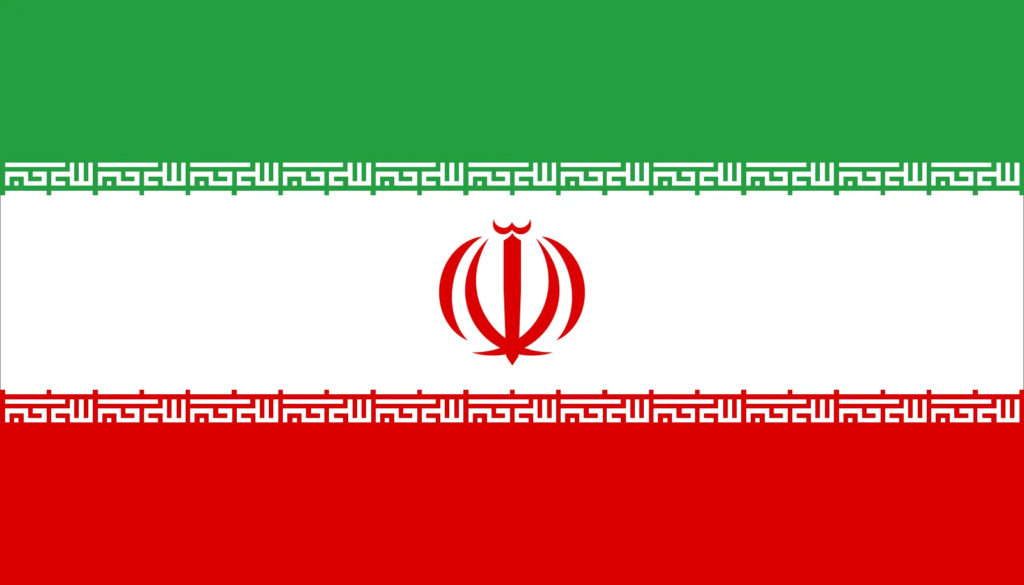
The United States, Iran, and a group of regional mediators are actively discussing the terms of a potential 45-day ceasefire that could pave the way for a permanent end to the ongoing war, according to Axios, citing four U.S., Israeli, and regional sources with knowledge of the talks.
The negotiations are taking place through mediators from countries including Pakistan, Egypt, and Turkey, as well as via indirect channels such as text messages between Trump’s envoy Steve Witkoff and Iranian Foreign Minister Abbas Araghchi.
Sources describe the framework as a two-phased deal:
- Phase 1: A potential 45-day ceasefire during which the parties would negotiate a permanent end to the war.
- Phase 2: A final agreement to formally conclude hostilities.
The ceasefire could be extended if additional time is needed for talks. Key issues on the table reportedly include the full reopening of the Strait of Hormuz, the status of Iran’s highly enriched uranium stockpile, and broader security guarantees. Sources emphasize that chances of reaching even a partial deal within the next 48 hours remain slim, as Iran has made clear it does not want a fragile truce similar to those seen in Gaza or Lebanon that could collapse quickly.
Timing and Connection to Trump’s Ultimatum
The reported talks come as President Donald Trump maintains pressure with his latest deadline — now adjusted to Tuesday, April 7 at 8:00 PM ET — for Iran to fully reopen the Strait of Hormuz or reach a comprehensive deal, or face severe military consequences. Trump has repeatedly warned that failure to comply would result in “all hell will reign down,” including possible strikes on power plants and bridges.
Senator Lindsey Graham (R-SC) has strongly endorsed the approach, stating after speaking with Trump that he is “completely convinced” the president will use “overwhelming military force” if needed.
Current Military and Diplomatic Backdrop
Despite the diplomatic movement, the conflict remains highly active:
- Fresh U.S. and Israeli strikes have caused major explosions in Tehran and other areas, targeting military infrastructure, bridges, and strategic sites.
- Iran has vowed that the next phase of its attacks on the US and Israel will be “much more forceful,” including recent use of cluster munition warheads against Israeli targets.
- Iran continues selective control over the Strait of Hormuz, recently allowing 15 ships to pass with permission while maintaining restrictions on adversaries. It has explicitly exempted Iraq from all restrictions.
- Repeated strikes near the Bushehr Nuclear Power Plant have prompted further Russian staff evacuations from the facility and raised fears of regional radioactive contamination.
- U.S. forces are depleting advanced munitions stockpiles, including the JASSM-ER stealth cruise missiles (only about 425 remain from a pre-war total of roughly 2,300).
- Iran has rejected several previous U.S. ceasefire proposals that linked the reopening of the strait to temporary truces, insisting on its own conditions such as war reparations and recognition of sovereignty over the waterway.
Hezbollah continues rocket attacks on northern Israel, adding to the multi-front pressure.
Broader Implications
A successful 45-day ceasefire could provide critical breathing room to negotiate a more durable end to the war, potentially easing disruptions to global energy markets caused by the Strait of Hormuz crisis. However, deep mistrust on both sides — Iran’s fear of being attacked again after any pause and the U.S./Israeli insistence on verifiable de-escalation — makes any agreement fragile.
The talks also occur against domestic U.S. pressures: daily war costs approaching or exceeding $2 billion have contributed to the administration’s request for a record $1.5 trillion defense budget for FY2027, while European allies are reportedly losing hope of keeping the U.S. fully committed to NATO due to disagreements over support in the Iran conflict.
Reflecto News will continue monitoring developments from Washington, Tehran, Jerusalem, and the mediators involved. Any breakthrough or breakdown in the coming hours could significantly alter the trajectory of the war, the situation in the Strait of Hormuz, and global energy stability.
This is a rapidly developing story. Updates will follow as more details emerge from the negotiations or the battlefield.