Reflecto News is an online news platform covering major international political events, global economic developments, and security conflicts. The site provides updates on topics such as Chinese manufacturing dominance, Middle Eastern political tensions, and high profile legal arrests. Readers can access current articles organized by categories like World News, Iran, and USA.
Published on Reflecto News | World News | Diplomacy & Conflict
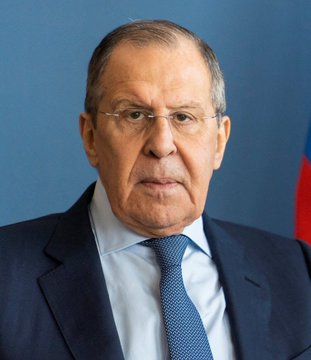
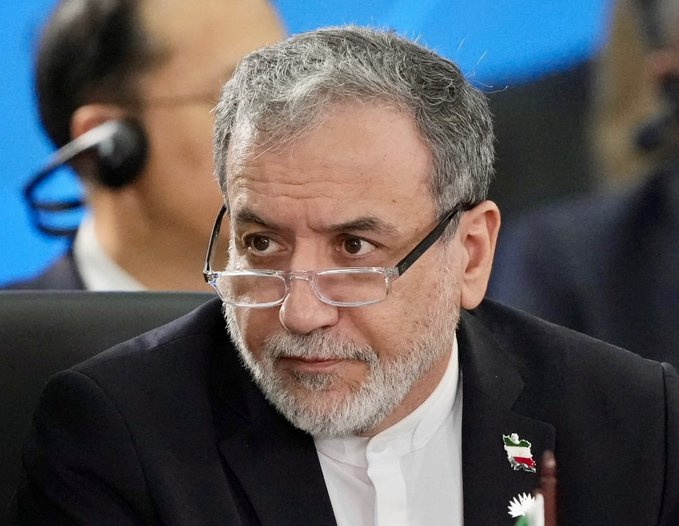
Russian Foreign Minister Sergei Lavrov and Iranian Foreign Minister Abbas Araghchi held a critical phone call on Monday to address escalating tensions, during which Tehran detailed what it termed “persistent and repeated ceasefire violations” by the United States . The conversation comes as the fragile two-week ceasefire brokered by Pakistan approaches its expiration on April 22, with diplomatic efforts to secure a second round of talks stalled .
Iran’s Grievances: Blockade and Ship Seizure
During the call, Araghchi outlined specific grievances regarding US actions that Tehran considers violations of the truce. The Iranian foreign minister raised concerns over what he described as an “illegal naval blockade of the Strait of Hormuz” and the recent seizure of an Iranian container ship by US forces .A
According to the Russian Foreign Ministry’s readout of the conversation, Araghchi condemned these actions as “provocative” and “incompatible with claims of seeking diplomacy” . Iran’s position on the ceasefire violations was communicated to Lavrov as part of broader consultations on the deteriorating security situation in the Middle East .
Russia’s Position: Preserve the Original Framework
Moscow used the conversation to reiterate its stance that the ceasefire must be maintained within the parameters initially agreed upon and announced by Pakistani mediators . Russia emphasized “the importance of continuing diplomatic efforts aimed at preventing the situation from escalating uncontrollably and avoiding a relapse into armed confrontation” .
Russia has consistently positioned itself as a diplomatic counterweight to the United States throughout the conflict. Moscow was among the first countries to condemn the US-Israeli aggression on Iran and has continued to support Tehran’s position . Lavrov’s emphasis on preserving the original ceasefire terms signals Russia’s concern that unilateral US actions could unravel the fragile truce.AA
Key Developments Behind the Call
Several significant events preceded the Lavrov-Araghchi conversation:
- Ceasefire Expiration: The two-week ceasefire is set to expire on Wednesday, April 22, creating a precarious diplomatic window .
- Strait of Hormuz Closure: Iranian authorities closed the strategic waterway over the weekend, pushing oil prices higher .
- US Ship Seizure: American forces seized an Iranian cargo ship, further escalating tensions .
- Talks Stalled: Iran is reviewing a US proposal but has expressed reluctance to send a delegation to Islamabad for a second round of talks .
Iranian Guarantees for Russian Shipping
In a notable development, the Iranian side reaffirmed its readiness to ensure unimpeded passage of Russian vessels and cargo through the Strait of Hormuz . This commitment underscores the strategic partnership between Moscow and Tehran, even as Iran restricts access to other nations’ shipping.
The guarantee is significant given that Iran has largely spared Russian ships from the restrictions it has imposed on transit via the strategic waterway, which is responsible for a fifth of global oil supply .
Russia’s Mediation Role
Lavrov also reiterated Russia’s readiness to facilitate mutually acceptable agreements between Iran and the Arab states of the Persian Gulf . This offer reflects Moscow’s broader ambition to position itself as a mediator in the region, counterbalancing US influence.
The call follows a visit by Pakistan Army Chief General Asim Munir to Tehran, during which he presented a proposal from the United States. While Iranian officials continue to review this American initiative, Foreign Ministry spokesman Esmail Baghaei indicated reluctance to dispatch a delegation to Islamabad for subsequent rounds of negotiations .
What Comes Next
As the April 22 ceasefire deadline approaches, several factors will determine the trajectory of the conflict:
| Factor | Current Status | Implication |
|---|---|---|
| Ceasefire expiration | April 22 | Diplomatic window narrowing |
| Second round of talks | Stalled; Iran reviewing proposal | Uncertainty over diplomatic path |
| US naval blockade | Ongoing | Economic pressure on Iran |
| Iranian shipping restrictions | Selective; Russian vessels exempt | Strategic Moscow-Tehran alignment |
| Israeli-Hezbollah front | Active fighting | Potential spoiler for broader truce |
The Lavrov-Araghchi call demonstrates that diplomatic channels remain active even as military tensions escalate. However, with fundamental disagreements over the blockade, ship seizures, and the scope of any potential agreement unresolved, the path to a lasting peace remains unclear.
Frequently Asked Questions (FAQs)
1. What specific US actions did Iran raise with Russia?
Iran detailed what it called US ceasefire violations, including an “illegal naval blockade of the Strait of Hormuz” and the seizure of an Iranian container ship by US forces .
2. What was Russia’s position during the call?
Russia emphasized the need to maintain the ceasefire within the parameters initially agreed upon and announced by Pakistani mediators. Moscow stressed the importance of continuing diplomatic efforts to prevent uncontrolled escalation .
3. Has Iran restricted Russian shipping through the Strait of Hormuz?
No. Iran reaffirmed its readiness to ensure unimpeded passage of Russian vessels and cargo through the strait, underscoring the strategic partnership between Moscow and Tehran .
4. When does the current ceasefire expire?
The two-week ceasefire brokered by Pakistan is set to expire on Wednesday, April 22, 2026 .
5. Are second-round talks between the US and Iran scheduled?
Not yet. Iran is reviewing a US proposal but has expressed reluctance to send a delegation to Islamabad for subsequent negotiations. No firm decision has been made .
6. What is Russia’s role in mediating the conflict?
Russia has offered to facilitate mutually acceptable agreements between Iran and the Arab states of the Persian Gulf. Moscow has consistently supported Tehran’s position throughout the conflict and was among the first to condemn US-Israeli aggression on Iran .
Stay informed with Reflecto News – Your trusted source for breaking diplomatic and geopolitical intelligence. Subscribe for real-time updates on the US-Iran crisis, Middle East diplomacy, and global security developments.
Questions people ask
What is China's current share of global manufacturing?
China now accounts for twenty eight percent of global manufacturing. This industrial output exceeds the combined manufacturing production of the United States, Japan, and Germany, making China the leading global industrial power according to recent reports.
Why were Andrew Tate and Tristan Tate arrested in Miami?
Andrew Tate and his brother Tristan Tate were taken into custody in Miami by the United States Marshals Service. They face thirty eight new charges in the United Kingdom, including rape and child pornography offences, and prosecutors are seeking their extradition.
What warning did Moscow issue about oil prices?
Kirill Dmitriev, the Chief Executive of the Russian Direct Investment Fund, warned that a tsunami of skyrocketing oil prices is approaching. Moscow describes this potential energy shock as a major threat to global markets.
What political shift is projected for Benjamin Netanyahu's coalition?
Political polls project that Prime Minister Benjamin Netanyahu's coalition is on track to lose its majority in the upcoming October election. This projection indicates a potential political shift in Jerusalem.
Why did a Russian military aircraft land in Tehran?
A Russian airborne command aircraft, widely known as a doomsday plane, landed in Tehran. The arrival of the aircraft represents a high stakes show of support from Russia for Iran during a period of heightened regional tensions.
What did President Masoud Pezeshkian claim about the United States and Israel?
Iranian President Masoud Pezeshkian claimed that the United States and Israel failed in a forty eight hour plan to topple the Iranian government. He made these statements during a televised address marking two years since his inauguration.