Reflecto News is an online news platform covering major international political events, global economic developments, and security conflicts. The site provides updates on topics such as Chinese manufacturing dominance, Middle Eastern political tensions, and high profile legal arrests. Readers can access current articles organized by categories like World News, Iran, and USA.
Reflecto News – Iran’s Parliament Speaker Mohammad Bagher Qalibaf sharply criticized U.S. President Donald Trump, accusing him of attempting to transform the negotiating table into a “table of surrender” and declaring that Iran will not accept negotiations conducted under the shadow of threats.
Qalibaf made the remarks on April 20, 2026, amid escalating rhetorical tensions as the fragile U.S.-Iran ceasefire approaches its April 21 expiration. The statement reinforces Tehran’s firm stance against what it perceives as U.S. pressure tactics, including the ongoing naval blockade on Iranian ports and recent incidents such as the seizure of the Iranian cargo ship Touska.
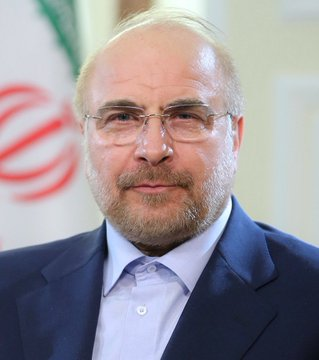
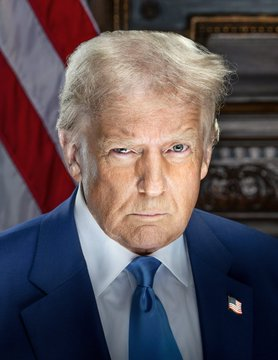
Qalibaf’s Key Statements
“President Trump wants to turn this negotiating table by his own imagination into a table of surrender. We do not accept negotiations under the shadow of threats.”
Qalibaf emphasized that Iran remains open to dialogue based on mutual respect and equality, but will not bow to ultimatums, deadlines, or military-economic pressure. He reiterated that any agreement must safeguard Iran’s national interests, sovereignty, and right to peaceful nuclear technology.
Context and Timing
The comments come as:
- Iranian Foreign Ministry spokesman Esmail Baghaei stated there are currently no plans for the next round of negotiations with the U.S. and rejected any transfer of enriched uranium stockpiles.
- Backchannel mediation by Pakistan (including Army Chief Asim Munir’s engagements with Trump) continues, with reports that Trump has said he would consider Pakistani advice on the Strait of Hormuz blockade and sanctions relief.
- The U.S. maintains its targeted naval blockade on Iranian ports as leverage, while the Strait of Hormuz experiences ongoing volatility, with Iran implementing a new security regime.
- Prediction markets like Polymarket assign only a low probability (~26%) of full normalization of Hormuz traffic by the end of April.
Qalibaf’s remarks align with a broader Iranian narrative that the U.S. is mixing diplomatic overtures with maximum pressure, including the blockade and threats of further action. This stance echoes earlier warnings from Baghaei that Iran does not recognize imposed deadlines or ultimatums and will respond decisively to any “new adventurism.”
Implications for Diplomacy
- Ceasefire Outlook: With the April 21 deadline looming and no confirmed plans for renewed formal talks, the risk of the truce lapsing without extension has grown.
- Leverage Dynamics: Iran continues to use the Strait of Hormuz and its nuclear program as points of leverage, while the U.S. relies on sanctions and the blockade.
- Pakistani Mediation: Islamabad’s role remains critical, though recent exchanges highlight the challenges in bridging the gap between U.S. demands and Iranian red lines.
Analysts note that such strong public statements from senior Iranian figures are common during sensitive negotiation phases to signal resolve domestically while leaving room for indirect channels.
This remains a highly fluid and tense situation with direct implications for regional stability, global energy markets, and the broader U.S.-Iran diplomatic process.
FAQs
Q1: What exactly did Parliament Speaker Qalibaf say about Trump?
Qalibaf accused President Trump of trying to turn the negotiating table into a “table of surrender” and stated that Iran does not accept negotiations under the shadow of threats.
Q2: Does this mean Iran is completely rejecting talks?
No. Qalibaf emphasized that Iran is open to genuine dialogue based on mutual respect, but rejects any format involving ultimatums or pressure.
Q3: How does this fit with recent Iranian statements?
It aligns with Esmail Baghaei’s comments rejecting deadlines, ultimatums, and any transfer of enriched uranium stockpiles, while underscoring Tehran’s firm red lines.
Q4: What is the status of the U.S. naval blockade?
The targeted blockade on Iranian ports remains in effect as leverage. Pakistan’s Army Chief Asim Munir has advised Trump that it is hindering talks, and Trump has said he will consider such input.
Q5: What are the main sticking points?
Core issues include Iran’s nuclear program and enriched uranium stockpiles, sanctions relief, the future of the U.S. blockade, and whether the nuclear track remains separate from Lebanon-related matters.
Q6: Is the April 21 ceasefire still on track?
The fragile truce faces expiration soon, with no confirmed plans for a new round of formal negotiations announced by Iran.
Q7: Where can I follow balanced updates?
Stay with Reflecto News for verified coverage based on official statements from Tehran, Washington, and mediators. We monitor developments from all sides as the ceasefire deadline approaches.
This is a developing story. Reflecto News will provide updates as reactions emerge from the White House, any further Iranian statements, or developments in Pakistani mediation efforts.
Reflecto News delivers accurate, timely reporting on U.S.-Iran diplomacy, Middle East security, and international mediation. For more on the fragile ceasefire, the Strait of Hormuz situation, and the latest statements from all parties, explore our dedicated international section. Share your respectful comments below.
Questions people ask
What is China's current share of global manufacturing?
China now accounts for twenty eight percent of global manufacturing. This industrial output exceeds the combined manufacturing production of the United States, Japan, and Germany, making China the leading global industrial power according to recent reports.
Why were Andrew Tate and Tristan Tate arrested in Miami?
Andrew Tate and his brother Tristan Tate were taken into custody in Miami by the United States Marshals Service. They face thirty eight new charges in the United Kingdom, including rape and child pornography offences, and prosecutors are seeking their extradition.
What warning did Moscow issue about oil prices?
Kirill Dmitriev, the Chief Executive of the Russian Direct Investment Fund, warned that a tsunami of skyrocketing oil prices is approaching. Moscow describes this potential energy shock as a major threat to global markets.
What political shift is projected for Benjamin Netanyahu's coalition?
Political polls project that Prime Minister Benjamin Netanyahu's coalition is on track to lose its majority in the upcoming October election. This projection indicates a potential political shift in Jerusalem.
Why did a Russian military aircraft land in Tehran?
A Russian airborne command aircraft, widely known as a doomsday plane, landed in Tehran. The arrival of the aircraft represents a high stakes show of support from Russia for Iran during a period of heightened regional tensions.
What did President Masoud Pezeshkian claim about the United States and Israel?
Iranian President Masoud Pezeshkian claimed that the United States and Israel failed in a forty eight hour plan to topple the Iranian government. He made these statements during a televised address marking two years since his inauguration.