Reflecto News is an online news platform covering major international political events, global economic developments, and security conflicts. The site provides updates on topics such as Chinese manufacturing dominance, Middle Eastern political tensions, and high profile legal arrests. Readers can access current articles organized by categories like World News, Iran, and USA.
Reflecto News – April 16, 2026
According to a detailed Wall Street Journal report, the assassination of Iran’s Supreme Leader Ayatollah Ali Khamenei on February 28, 2026, during joint US-Israeli strikes has not led to moderation or internal reform. Instead, power has consolidated among more extreme hard-liners, with his son Mojtaba Khamenei emerging as the new Supreme Leader and the Islamic Revolutionary Guard Corps (IRGC) exerting even greater influence over the system.
The war, rather than creating space for compromise, has strengthened radical factions that are more repressive domestically and more aggressive in their foreign policy stance, showing limited appetite for meaningful diplomacy amid ongoing ceasefire negotiations.
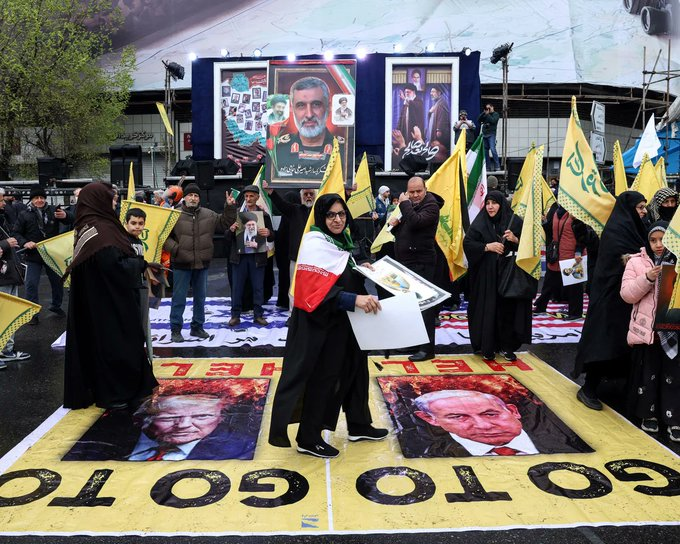
Iranian leadership and security apparatus symbols (representative image of the post-strike power structure).
The Assassination and Rapid Succession
Ali Khamenei, aged 86, was killed in Israeli airstrikes on Tehran as part of the opening phase of the 2026 Iran war (Operation Epic Fury), alongside several senior officials and family members. The strikes, supported by US intelligence, targeted high-level gatherings and were confirmed by Iranian state media, which declared a 40-day mourning period.
On March 8, 2026, Iran’s Assembly of Experts selected Mojtaba Khamenei — the second son of the late leader and a mid-ranking cleric with deep ties to the security apparatus — as his successor. Mojtaba, previously operating largely behind the scenes, has close connections to the IRGC and is viewed by many analysts as more pliable to hard-line military interests than his father in certain respects.
Mojtaba has remained largely out of public view since his appointment, fueling speculation about possible injuries sustained in the strikes, though he continues to issue statements through official channels.
Rise of the IRGC and Hard-Line Consolidation
The WSJ highlights that the conflict has accelerated a pre-existing trend: the IRGC’s dominance over key institutions. Figures with strong military-security backgrounds now hold significant sway, including:
- Ahmad Vahidi, appointed or elevated as a central IRGC commander, known for his hard-line security roles and history tied to past operations.
- Mohammad Bagher Zolghadr, a veteran IRGC commander appointed as Secretary of the Supreme National Security Council (SNSC), replacing the killed Ali Larijani. Zolghadr has a long record in domestic security and proxy-related activities, and his placement underscores the militarization of decision-making on defense, intelligence, and foreign policy.
These shifts have reportedly sidelined more pragmatic or reformist voices, with the IRGC influencing appointments and policy even under President Masoud Pezeshkian’s administration. The new leadership is described as more unified in its ideological rigidity, blending clerical authority with militarized control.
Map of the Strait of Hormuz and Persian Gulf region, central to ongoing tensions and negotiations. (Illustrative graphic)
Domestic Repression and Foreign Aggression
According to the analysis, the war has emboldened hard-liners to intensify crackdowns on dissent at home, framing internal challenges as threats amplified by external enemies. Abroad, the leadership shows little interest in concessions, prioritizing resistance narratives, proxy activities, and demands for compensation or sanctions relief rather than broad diplomatic openings.
Mojtaba Khamenei has issued statements vowing to defend Iran’s “legitimate rights” while signaling that Iran does not seek endless war but will not yield under pressure. This stance aligns with continued enforcement challenges around the Strait of Hormuz, the US naval blockade, and separate dynamics in Lebanon.
The consolidation has also involved building a religious-mythological narrative around the Khamenei succession, portraying the late leader’s death as martyrdom and the new era as one of defiant continuity.
Implications for Ceasefire Talks and Regional Stability
This power shift complicates ongoing indirect and mediated negotiations, primarily facilitated by Pakistan, which the US has praised as an “incredible mediator.” With hard-liners in firmer control, Iran’s positions on nuclear issues, the blockade, petrochemical/oil exports (recently suspended), and regional de-escalation appear more inflexible.
Analysts note that while the war inflicted significant damage, it has paradoxically reinforced the very factions least inclined toward compromise, potentially prolonging volatility in energy markets and raising risks of renewed escalation.
Pakistan’s mediation continues to focus on extending the current fragile two-week ceasefire, but the hardened Iranian posture could test the limits of diplomatic progress.
FAQs on Iran’s Post-Khamenei Leadership Shift
Q1: When and how was Ali Khamenei killed?
Ayatollah Ali Khamenei was assassinated on February 28, 2026, in Israeli airstrikes on Tehran during the opening of the 2026 US-Iran war, with US intelligence support. Iranian authorities confirmed his death and observed 40 days of mourning.
Q2: Who is Mojtaba Khamenei and what is his background?
Mojtaba Khamenei, the second son of the late Supreme Leader, is a 56-year-old cleric appointed on March 8, 2026, as the new Supreme Leader. He has long maintained close ties to the IRGC and security forces while operating behind the scenes.
Q3: How has the IRGC’s role changed?
The Revolutionary Guard has gained even greater influence, dominating key security and policy bodies. Appointments like Mohammad Bagher Zolghadr to the SNSC and Ahmad Vahidi’s elevated role reflect this militarized shift.
Q4: Has the war led to moderation in Iran?
According to the WSJ and other reporting, no — it has strengthened extreme hard-liners, leading to increased domestic repression and a more aggressive external posture with limited interest in broad compromises.
Q5: What does this mean for US-Iran ceasefire efforts?
The hardened leadership may make concessions more difficult, complicating talks on the Strait of Hormuz, sanctions, nuclear issues, and the naval blockade. Pakistan continues mediation, but progress remains uncertain.
Q6: Who are key hard-line figures mentioned?
Prominent names include Mojtaba Khamenei (Supreme Leader), Ahmad Vahidi (IRGC commander role), and Mohammad Bagher Zolghadr (SNSC Secretary), all with deep security and hard-line credentials.
Q7: What is the broader regional impact?
A more IRGC-dominated Iran could prolong tensions in the Gulf, affect energy supplies, and influence dynamics in Lebanon and with proxies, even as separate Israel-Lebanon ceasefire discussions continue.
Reflecto News will continue tracking developments in Iran’s leadership, the impact on ongoing US-Iran negotiations, the naval blockade, and related regional conflicts. This power consolidation represents a critical turning point in the 2026 war’s aftermath, with significant implications for diplomacy and stability. The story remains fluid.
Questions people ask
What is China's current share of global manufacturing?
China now accounts for twenty eight percent of global manufacturing. This industrial output exceeds the combined manufacturing production of the United States, Japan, and Germany, making China the leading global industrial power according to recent reports.
Why were Andrew Tate and Tristan Tate arrested in Miami?
Andrew Tate and his brother Tristan Tate were taken into custody in Miami by the United States Marshals Service. They face thirty eight new charges in the United Kingdom, including rape and child pornography offences, and prosecutors are seeking their extradition.
What warning did Moscow issue about oil prices?
Kirill Dmitriev, the Chief Executive of the Russian Direct Investment Fund, warned that a tsunami of skyrocketing oil prices is approaching. Moscow describes this potential energy shock as a major threat to global markets.
What political shift is projected for Benjamin Netanyahu's coalition?
Political polls project that Prime Minister Benjamin Netanyahu's coalition is on track to lose its majority in the upcoming October election. This projection indicates a potential political shift in Jerusalem.
Why did a Russian military aircraft land in Tehran?
A Russian airborne command aircraft, widely known as a doomsday plane, landed in Tehran. The arrival of the aircraft represents a high stakes show of support from Russia for Iran during a period of heightened regional tensions.
What did President Masoud Pezeshkian claim about the United States and Israel?
Iranian President Masoud Pezeshkian claimed that the United States and Israel failed in a forty eight hour plan to topple the Iranian government. He made these statements during a televised address marking two years since his inauguration.