
Reflecto News is an online news platform covering major international political events, global economic developments, and security conflicts. The site provides updates on topics such as Chinese manufacturing dominance, Middle Eastern political tensions, and high profile legal arrests. Readers can access current articles organized by categories like World News, Iran, and USA.
Published on Reflecto News | World News | Diplomacy & Conflict
In an eleventh-hour decision that averted the immediate resumption of hostilities, President Donald Trump has announced an indefinite extension of the ceasefire with Iran. The decision, made at the request of Pakistani leadership, keeps the truce in place until Tehran can present a “unified proposal” for negotiations .
“Based on the fact that the Government of Iran is seriously fractured, not unexpectedly so and, upon the request of Field Marshal Asim Munir, and Prime Minister Shehbaz Sharif, of Pakistan, we have been asked to hold our Attack on the Country of Iran until such time as their leaders and representatives can come up with a unified proposal.” — President Donald Trump
The announcement came just hours after the original two-week ceasefire—brokered by Pakistan on April 8—was set to expire. The situation had been marked by confusion over the precise deadline, with Trump having previously stated he was “highly unlikely” to extend the truce .
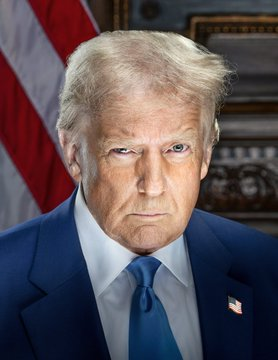
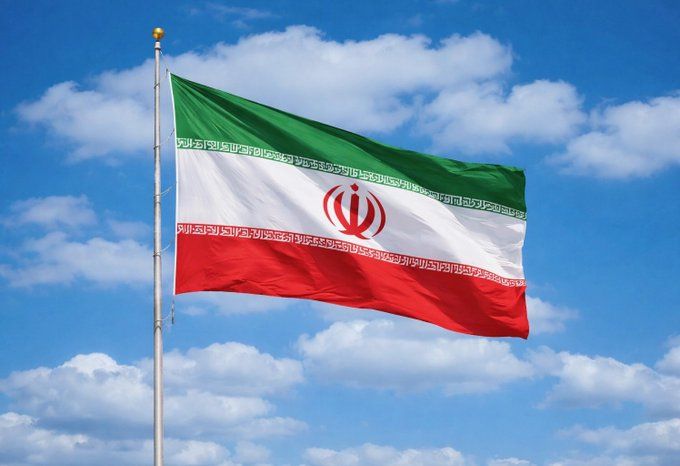
‘Seriously Fractured’: The Rationale for the Extension
In his Truth Social post, Trump cited internal divisions within the Iranian government as the primary reason for granting more time. He noted that the leadership in Tehran appears “seriously fractured” and needs additional time to formulate a clear, unified position at the negotiating table .
Despite the extension of the truce, Trump made it clear that the US naval blockade of Iranian ports will continue. He emphasized that the US military remains “ready and able” and that the ceasefire is contingent on progress toward a deal .
“I have therefore directed our Military to continue the Blockade and, in all other respects, remain ready and able, and will therefore extend the Ceasefire until such time as their proposal is submitted, and discussions are concluded, one way or the other.” — President Donald Trump
Diplomatic Deadlock: No Meeting, No Delegation
The extension comes amid a complete diplomatic standoff. Iran had formally declared that it would not send a delegation for a second round of talks until the US naval blockade of the Strait of Hormuz is lifted. Tehran views the blockade as an “act of war” and a violation of the original ceasefire terms .
As a result, Vice President JD Vance’s planned trip to Islamabad for a second round of negotiations has been indefinitely suspended. The White House confirmed that Vance will not travel to Pakistan until the Iranians signal their readiness to engage .
The Core Issues: What Remains Unresolved
The fundamental disagreements that derailed the first round of talks in Islamabad remain unresolved . The US has laid out several “red lines” that Iran has yet to accept:
| US Demand | Iranian Position |
|---|---|
| End to uranium enrichment | Insists on right to enrich for civilian purposes |
| Dismantle nuclear facilities | Maintains infrastructure for peaceful use |
| Hand over enriched uranium | Calls the demand “unacceptable” |
| Fully reopen the Strait of Hormuz | Insists on full reopening only after a final peace agreement |
| End funding for regional proxies | Considers support for Hamas, Hezbollah, and Houthis non-negotiable |
Sources: Anadolu Ajansı, The New York Times, Axios
The US also demands that Iran accept a “broader security framework” that includes regional allies, while Tehran insists on a UN Security Council resolution to guarantee any agreement .
A Fractured Leadership in Tehran
Trump’s claim that the Iranian government is “seriously fractured” reflects the ongoing power struggle in Tehran. The Islamic Republic is navigating between a president, Masoud Pezeshkian, who has signaled a willingness for diplomacy, and hardline factions within the Islamic Revolutionary Guard Corps (IRGC) and the parliament, led by Speaker Mohammad Bagher Ghalibaf, who refuse to negotiate under the “shadow of threat” .
The demand for a “unified proposal” is an attempt to force Tehran to settle its internal disputes and present a single negotiating position—something it has struggled to do since the collapse of the first round of talks .
Next Steps: What ‘Indefinite’ Means
Trump’s extension of the ceasefire is open-ended. The truce will remain in effect “until such time as their proposal is submitted, and discussions are concluded, one way or the other” .
Key developments to watch:
- A Unified Iranian Proposal: The ball is now in Tehran’s court. The White House is awaiting a formal, written proposal from Iran that addresses the core issues of the nuclear program and regional conduct .
- The Naval Blockade: The US has made it clear that the blockade of Iranian ports will continue as a pressure tactic to force economic compliance .
- Vance’s Potential Trip: Vice President Vance and the US delegation remain prepared to travel to Islamabad, but only if Iran agrees to attend .
As the world watches, the pause in fighting offers a narrow window for diplomacy. However, with Iran refusing to meet until its conditions are met and the US maintaining maximum economic pressure, the path to a lasting peace remains highly uncertain.
Frequently Asked Questions (FAQs)
1. Why did President Trump extend the ceasefire?
Trump cited a request from Pakistani leadership and what he described as a “seriously fractured” Iranian government that needs time to come up with a “unified proposal” for negotiations .
2. How long will the ceasefire last?
The ceasefire is now open-ended. It will remain in place until Iran submits a proposal and discussions are concluded “one way or the other” .
3. Is the US naval blockade still in effect?
Yes. Trump has directed the military to continue the blockade of Iranian ports and remains “ready and able” to resume military action if necessary .
4. Why didn’t the second round of talks in Islamabad happen?
Iran refused to send a delegation, demanding that the US lift its naval blockade first. Consequently, Vice President JD Vance’s trip was suspended .
5. What does Trump mean by a “unified proposal”?
Trump claims the Iranian government is internally divided. He is waiting for Tehran to resolve its internal disputes and present a single, clear negotiating position .
6. Did Vice President JD Vance go to Pakistan?
No. Vance’s planned trip to Islamabad for a second round of talks has been put on hold pending Iran’s response and submission of a proposal .
7. What happens if Iran doesn’t submit a proposal?
Trump has left the door open for military action. He has stated that if a deal is not reached, “lots of bombs” will start going off, though he is currently giving diplomacy a chance .
Stay informed with Reflecto News – Your trusted source for breaking diplomatic and geopolitical intelligence. Subscribe for real-time updates on the US-Iran crisis, nuclear negotiations, and global security developments.
Questions people ask
What is China's current share of global manufacturing?
China now accounts for twenty eight percent of global manufacturing. This industrial output exceeds the combined manufacturing production of the United States, Japan, and Germany, making China the leading global industrial power according to recent reports.
Why were Andrew Tate and Tristan Tate arrested in Miami?
Andrew Tate and his brother Tristan Tate were taken into custody in Miami by the United States Marshals Service. They face thirty eight new charges in the United Kingdom, including rape and child pornography offences, and prosecutors are seeking their extradition.
What warning did Moscow issue about oil prices?
Kirill Dmitriev, the Chief Executive of the Russian Direct Investment Fund, warned that a tsunami of skyrocketing oil prices is approaching. Moscow describes this potential energy shock as a major threat to global markets.
What political shift is projected for Benjamin Netanyahu's coalition?
Political polls project that Prime Minister Benjamin Netanyahu's coalition is on track to lose its majority in the upcoming October election. This projection indicates a potential political shift in Jerusalem.
Why did a Russian military aircraft land in Tehran?
A Russian airborne command aircraft, widely known as a doomsday plane, landed in Tehran. The arrival of the aircraft represents a high stakes show of support from Russia for Iran during a period of heightened regional tensions.
What did President Masoud Pezeshkian claim about the United States and Israel?
Iranian President Masoud Pezeshkian claimed that the United States and Israel failed in a forty eight hour plan to topple the Iranian government. He made these statements during a televised address marking two years since his inauguration.