Reflecto News is an online news platform covering major international political events, global economic developments, and security conflicts. The site provides updates on topics such as Chinese manufacturing dominance, Middle Eastern political tensions, and high profile legal arrests. Readers can access current articles organized by categories like World News, Iran, and USA.
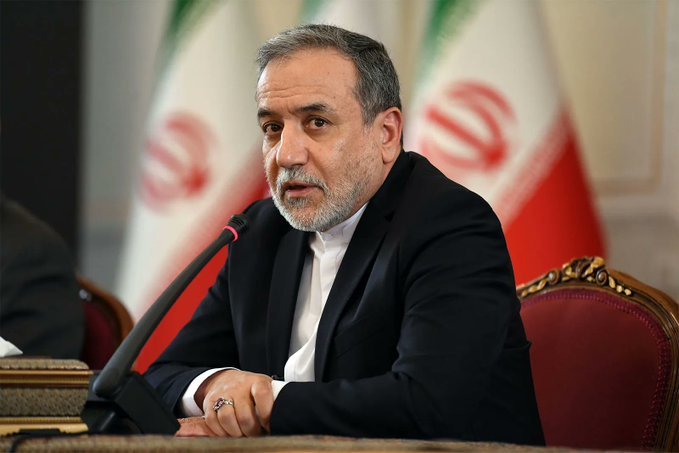
TEHRAN — In a definitive clarification of Iran’s diplomatic stance, Foreign Minister Abbas Araghchi dismissed reports of an imminent ceasefire on Tuesday, March 31, 2026. Speaking to Al Jazeera, Araghchi countered earlier optimistic signals from the Iranian presidency, asserting that Tehran has not engaged in formal negotiations with any “specific party” and will reject any settlement that does not encompass a total cessation of hostilities across the entire Middle East.
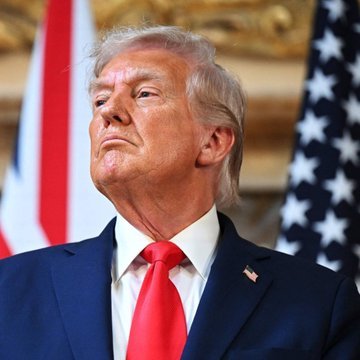
The statement introduces a significant hurdle for the “Islamabad Track” mediators just six days before the April 6 deadline set by the Trump administration.
The Rejection of the 15-Point Plan
Araghchi moved to dismantle the narrative that Iran is actively weighing the U.S. proposal for de-escalation.
- No Response, No Counter: “We have not sent any response to the 15 American proposals, nor have we submitted any proposals or conditions of our own,” Araghchi stated.
- Strategic Reservations: He emphasized that the Iranian leadership remains deeply skeptical of the negotiation process, noting that “no decision” has been made to formally enter talks.
- The “Regional” Red Line: In a direct challenge to the U.S. strategy of isolating the Iran theater, Araghchi declared that Iran will not accept a localized ceasefire. “We seek a complete cessation of hostilities, not only in Iran but in the entire region,” he said, effectively linking an end to the war in Iran to a full withdrawal of Israeli forces from Lebanon and Gaza.
The Strait of Hormuz: “Open Only to Friends”
Addressing the global energy crisis, the Foreign Minister provided a stark update on the status of the world’s most vital maritime chokepoint.
- Selective Blockade: Araghchi claimed the Strait of Hormuz remains “fully open,” but with a major caveat: it is “closed only to those who fight us.”
- Safe Passage for Allies: He confirmed that Tehran has implemented measures to ensure the “safe passage of friendly ships,” likely referring to vessels from China, Russia, and the BRICS bloc.
- Economic Leverage: By maintaining a selective blockade, Iran is attempting to pressure Western economies (currently facing $7 diesel and 50% fertilizer surcharges) while sparing its strategic partners from the worst of the “infrastructure war.”
Two Non-Negotiable Conditions
Despite the “no negotiations” rhetoric, Araghchi outlined the specific requirements that must be met before Iran considers standing down:
- Security Guarantees: A binding international assurance that the “attacks will not be repeated” by the U.S. or Israel.
- Reparations: Full “compensation for the losses” incurred during Operation Epic Fury, which has targeted Iranian aviation, pharmaceutical plants, and desalination centers over the last 30 days.
| Diplomatic Metric | Status (March 31, 2026) |
| Negotiation Status | Denied (Informal messages only) |
| Ceasefire Stance | Rejected (Demands “Complete Regional Halt”) |
| Strait of Hormuz | Closed to adversaries; Open to “Friendly” ships |
| Primary Demands | Guarantees against future attacks + Reparations |
| Peace Deadline | April 6, 2026 |
The Presidency vs. The Ministry
Araghchi’s forceful denial appears to recalibrate the softer tone struck earlier in the day by President Masoud Pezeshkian, who had expressed a general “willingness to end the war.” Analysts suggest this “good cop, bad cop” dynamic is intended to satisfy domestic hardliners and the IRGC while maintaining enough diplomatic ambiguity to avoid a total collapse of the Pakistani-led peace efforts.
As the April 6 deadline nears, the gap between Trump’s “Maximum Pressure” and Araghchi’s “Regional Resistance” remains the primary obstacle to preventing a catastrophic ground escalation.
Questions people ask
What is China's current share of global manufacturing?
China now accounts for twenty eight percent of global manufacturing. This industrial output exceeds the combined manufacturing production of the United States, Japan, and Germany, making China the leading global industrial power according to recent reports.
Why were Andrew Tate and Tristan Tate arrested in Miami?
Andrew Tate and his brother Tristan Tate were taken into custody in Miami by the United States Marshals Service. They face thirty eight new charges in the United Kingdom, including rape and child pornography offences, and prosecutors are seeking their extradition.
What warning did Moscow issue about oil prices?
Kirill Dmitriev, the Chief Executive of the Russian Direct Investment Fund, warned that a tsunami of skyrocketing oil prices is approaching. Moscow describes this potential energy shock as a major threat to global markets.
What political shift is projected for Benjamin Netanyahu's coalition?
Political polls project that Prime Minister Benjamin Netanyahu's coalition is on track to lose its majority in the upcoming October election. This projection indicates a potential political shift in Jerusalem.
Why did a Russian military aircraft land in Tehran?
A Russian airborne command aircraft, widely known as a doomsday plane, landed in Tehran. The arrival of the aircraft represents a high stakes show of support from Russia for Iran during a period of heightened regional tensions.
What did President Masoud Pezeshkian claim about the United States and Israel?
Iranian President Masoud Pezeshkian claimed that the United States and Israel failed in a forty eight hour plan to topple the Iranian government. He made these statements during a televised address marking two years since his inauguration.