Reflecto News is an online news platform covering major international political events, global economic developments, and security conflicts. The site provides updates on topics such as Chinese manufacturing dominance, Middle Eastern political tensions, and high profile legal arrests. Readers can access current articles organized by categories like World News, Iran, and USA.
Reflecto News
April 19, 2026
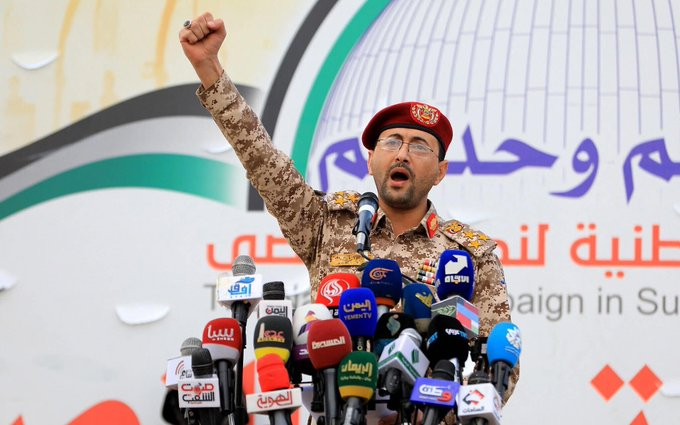
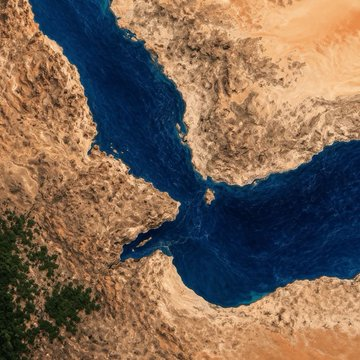
Yemen’s Iran-backed Houthi movement has threatened to close the Bab al-Mandeb Strait — a critical chokepoint linking the Red Sea to the Gulf of Aden — if U.S. President Donald Trump persists in actions they describe as obstructing regional peace efforts. The warning adds a dangerous new dimension to the already volatile maritime situation in the Middle East, where the Strait of Hormuz remains closed by the IRGC due to the ongoing U.S. naval blockade.
A senior Houthi official stated that the group views closure of Bab al-Mandeb as a legitimate response to perceived U.S. aggression and obstruction of diplomatic progress. The strait, which handles approximately 12% of global trade and serves as a key route for oil shipments from the Persian Gulf to Europe and Asia via the Suez Canal, has previously been disrupted by Houthi attacks on shipping in solidarity with Gaza and other regional conflicts.
The threat comes amid:
- The IRGC’s recent re-closure of the Strait of Hormuz, citing the U.S. blockade as a ceasefire violation.
- Fragile U.S.-Iran ceasefire talks mediated by Pakistan, with calls for an extension to allow up to six months for a comprehensive deal.
- The active 10-day Israel-Lebanon ceasefire and planned White House summit between Lebanese President Joseph Aoun and Israeli Prime Minister Benjamin Netanyahu.
Strategic Importance of Bab al-Mandeb
The Bab al-Mandeb Strait is one of the world’s most vital maritime passages. Closing it — or even resuming attacks on vessels transiting the area — would force ships to reroute around the southern tip of Africa, significantly increasing transit times, costs, and insurance premiums. This would compound the economic pain already caused by disruptions in the Strait of Hormuz, potentially driving up global oil prices and worsening energy shortages, including Europe’s tightening jet fuel supplies.
Houthi forces have demonstrated the ability to disrupt Red Sea shipping in the past through missile and drone attacks. While the group has not yet fully blockaded the strait in the current crisis, their latest warning signals readiness to escalate if they perceive continued U.S. “obstruction” of peace initiatives.
U.S. and Regional Reactions
President Trump has not yet issued a direct response to the Houthi threat. However, the administration has maintained a firm stance on the naval blockade of Iranian ports, describing it as necessary leverage for verifiable concessions on Iran’s nuclear program. U.S. officials have repeatedly emphasized freedom of navigation while targeting only Iran-linked vessels.
Saudi Arabia and other Gulf states have expressed concern over the potential for Houthi action in Bab al-Mandeb, viewing it as a secondary front that could further destabilize energy exports. Saudi officials have reportedly urged Washington to ease pressure on the Hormuz blockade to avoid triggering a wider maritime crisis.
Diplomatic Efforts Under Strain
Pakistani mediators, including Army Chief Field Marshal Asim Munir, continue high-level engagements in Tehran to narrow gaps and push for a ceasefire extension. The overlapping threats to two major maritime chokepoints — Hormuz and Bab al-Mandeb — risk derailing broader peace efforts and escalating the conflict beyond the U.S.-Iran track.
What’s Next?
Any Houthi attempt to close or significantly disrupt Bab al-Mandeb would likely prompt a strong international response, potentially involving U.S. and coalition naval forces. Shipping companies are already adjusting routes, while energy markets remain on edge.
Reflecto News will provide continuous updates on Houthi statements, developments in the Bab al-Mandeb and Strait of Hormuz, U.S.-Iran mediation, and impacts on global energy security and shipping.
Frequently Asked Questions (FAQs)
Q1: What did the Houthis threaten regarding Bab al-Mandeb?
A: They warned they would close the strait if President Trump continues to “obstruct peace,” framing it as a response to U.S. actions including the naval blockade.
Q2: Why is Bab al-Mandeb strategically important?
A: It connects the Red Sea to the Gulf of Aden and handles about 12% of global trade, including significant oil shipments. Disruption would force rerouting around Africa, raising costs and delays.
Q3: How does this relate to the Strait of Hormuz?
A: Both waterways are now under threat or restriction. The IRGC has closed Hormuz due to the U.S. blockade, while Houthis threaten Bab al-Mandeb in response to perceived U.S. obstruction.
Q4: What is the current status of U.S.-Iran talks?
A: The fragile ceasefire is under strain. Mediators seek an extension for longer negotiations (potentially up to six months) on nuclear issues, sanctions, and maritime security.
Q5: Has the U.S. responded to the Houthi threat?
A: No direct response has been reported as of April 19, 2026. The administration continues to enforce the blockade on Iranian ports while emphasizing freedom of navigation for non-Iranian traffic.
Q6: What are the global risks?
A: Simultaneous disruptions to Hormuz and Bab al-Mandeb could spike oil prices, worsen energy shortages (including Europe’s jet fuel concerns), and trigger broader escalation involving proxies and international naval forces.
For the latest on Houthi threats, Bab al-Mandeb developments, the Strait of Hormuz crisis, U.S.-Iran diplomacy, and global energy markets, bookmark Reflecto News.
This article is based on reports from Houthi statements, international media including Time, Forbes, Al Jazeera, and other verified sources as of April 19, 2026.
Questions people ask
What is China's current share of global manufacturing?
China now accounts for twenty eight percent of global manufacturing. This industrial output exceeds the combined manufacturing production of the United States, Japan, and Germany, making China the leading global industrial power according to recent reports.
Why were Andrew Tate and Tristan Tate arrested in Miami?
Andrew Tate and his brother Tristan Tate were taken into custody in Miami by the United States Marshals Service. They face thirty eight new charges in the United Kingdom, including rape and child pornography offences, and prosecutors are seeking their extradition.
What warning did Moscow issue about oil prices?
Kirill Dmitriev, the Chief Executive of the Russian Direct Investment Fund, warned that a tsunami of skyrocketing oil prices is approaching. Moscow describes this potential energy shock as a major threat to global markets.
What political shift is projected for Benjamin Netanyahu's coalition?
Political polls project that Prime Minister Benjamin Netanyahu's coalition is on track to lose its majority in the upcoming October election. This projection indicates a potential political shift in Jerusalem.
Why did a Russian military aircraft land in Tehran?
A Russian airborne command aircraft, widely known as a doomsday plane, landed in Tehran. The arrival of the aircraft represents a high stakes show of support from Russia for Iran during a period of heightened regional tensions.
What did President Masoud Pezeshkian claim about the United States and Israel?
Iranian President Masoud Pezeshkian claimed that the United States and Israel failed in a forty eight hour plan to topple the Iranian government. He made these statements during a televised address marking two years since his inauguration.