Missiles launched in a joint U.S.-Israeli operation have struck the Arak Aluminum Company (IRALCO), Iran’s largest aluminum production facility, causing significant damage to critical industrial infrastructure. The attack marks a major escalation in the targeting of Iran’s economic and strategic assets, moving beyond purely military sites to hit key industrial production capacity.
By Reflecto News Desk
April 7, 2026 | Arak / Washington / Jerusalem
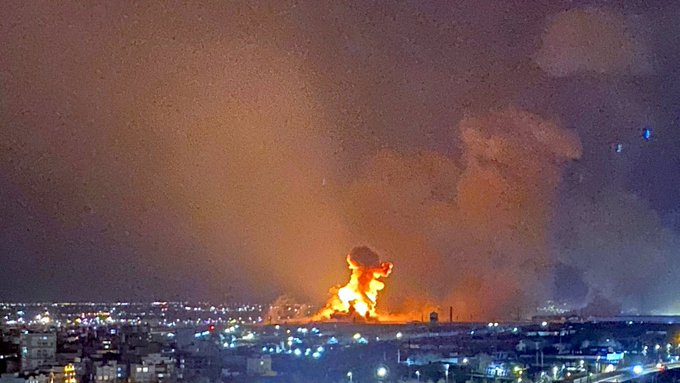
The strike on IRALCO in Arak, central Iran, was confirmed by Iranian state media and regional monitoring sources. The facility is a cornerstone of Iran’s aluminum industry, supplying materials for aerospace, automotive, construction, and defense sectors. Damage assessments are still preliminary, but initial reports indicate substantial disruption to production lines and supporting infrastructure.
This development follows closely on the heels of Israeli strikes on IRGC-linked railways and bridges, as announced by Prime Minister Benjamin Netanyahu, and amid repeated IRGC vows of more intense retaliation against U.S. and Israeli military and economic targets.
Strategic and Economic Significance
Hitting IRALCO represents a shift toward degrading Iran’s long-term industrial and economic capabilities:
- Aluminum is a dual-use material heavily tied to Iran’s missile and drone programs, as well as broader military manufacturing.
- The facility’s location in Arak places it near other sensitive sites, including historical nuclear-related infrastructure.
- The strike aligns with broader threats from President Trump and Israeli leadership to target economic infrastructure if Iran does not reopen the Strait of Hormuz.
Iranian officials have condemned the attack as an act of economic warfare, while civilians in areas like Ahvaz continue forming human chains to protect bridges and other infrastructure from similar strikes.
Escalating Conflict Dynamics
The IRALCO strike occurs in a highly charged environment:
- All direct and indirect diplomatic channels between Iran and the United States remain severed.
- The IRGC has vowed more intense strikes on U.S.-Israeli military and economic infrastructure in the region.
- Iran maintains selective control over the Strait of Hormuz and has warned that allies could close the Bab al-Mandab Strait (handling ~10–12% of world trade) if escalation continues.
- A limited humanitarian success was recently achieved with the release of French citizens Cécile Kohler and Jacques Paris after over three years in detention.
U.S. Vice President JD Vance’s earlier reference to untapped “tools in our toolkit” and Trump’s warnings of devastating consequences appear to be materializing through coordinated targeting of high-value industrial sites.
Reflecto News will continue monitoring damage assessments at IRALCO, Iranian and IRGC responses, any retaliatory actions, further strikes on infrastructure, and the status of key maritime chokepoints.
FAQs: Strike on Arak Aluminum Company (IRALCO)
Q1: What is IRALCO and why is it significant?
IRALCO is Iran’s largest aluminum producer, located in Arak. It plays a vital role in industrial manufacturing and has dual-use applications in defense and aerospace.
Q2: Who carried out the strike?
U.S.-Israeli missiles were used in a joint operation targeting the facility.
Q3: How does this fit into recent developments?
It follows Israeli strikes on IRGC railways and bridges and comes amid IRGC threats of intensified retaliation against economic targets.
Q4: What are the potential consequences?
Disruption of aluminum supply chains could affect Iran’s military production and civilian economy, while raising risks of broader economic warfare and retaliatory strikes.
Q5: Are diplomatic options still viable?
U.S.-Iran channels are fully cut off, though limited bilateral deals (such as the recent France-Iran prisoner exchange) remain possible with other countries.
Sources: Iranian state media, regional monitoring reports, cross-referenced statements from U.S. and Israeli officials as of April 7, 2026. Strikes on industrial facilities carry major economic and humanitarian implications; the conflict remains extremely fluid with high potential for rapid escalation.