Reflecto News is an online news platform covering major international political events, global economic developments, and security conflicts. The site provides updates on topics such as Chinese manufacturing dominance, Middle Eastern political tensions, and high profile legal arrests. Readers can access current articles organized by categories like World News, Iran, and USA.
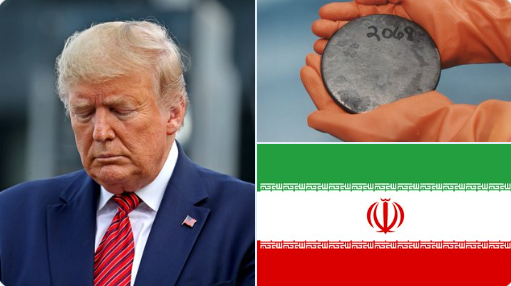
Reflecto News – The United States is actively discussing a proposal that would see Washington release up to $20 billion in frozen Iranian funds in exchange for Iran surrendering its stockpile of enriched uranium, according to a new report by Axios.
The potential “cash-for-uranium” arrangement is one element of a broader three-page draft peace plan being negotiated between the two sides, sources briefed on the talks told Axios. Some of Iran’s highly enriched uranium would be shipped to a third country, while the remainder could be down-blended inside Iran under international monitoring.
Details of the Proposal
- $20 Billion Figure: This is the latest number under discussion, described by one U.S. official as a U.S. proposal. Earlier Iranian demands reportedly reached $27 billion, while previous humanitarian-restricted releases were around $6 billion.
- Uranium Stockpile: Iran holds nearly 2,000 kilograms of enriched uranium, including material close to weapons-grade levels. Removing or neutralizing this stockpile is a core U.S. priority to extend Iran’s “breakout time” to a nuclear weapon.
- Broader Framework: The plan aims to help end the current conflict, with other elements including potential limits on future enrichment activities. Negotiations remain fluid, and no final agreement has been reached.
The discussions come as mediators from Pakistan, Egypt, and Türkiye continue backchannel efforts to bridge gaps ahead of the April 21 ceasefire deadline.
Context Within U.S.-Iran Talks
President Trump has repeatedly emphasized securing “all of Iran’s nuclear dust” (his term for the enriched uranium stockpiles and debris from previously struck sites) with “no money will exchange hands” in earlier statements. However, the Axios reporting indicates that unfreezing Iranian assets is now actively on the table as a form of compensation or incentive.
The U.S. maintains its targeted naval blockade on Iranian ports as leverage, even as the Strait of Hormuz has been declared open for commercial shipping. Trump has welcomed the reopening and mine removal efforts while insisting the blockade remains until a “100% complete” deal.
Reactions and Challenges
- U.S. Perspective: Officials describe the cash-for-uranium idea as “one of many discussions” aimed at rapidly reducing Iran’s nuclear threat without requiring complete dismantlement of all enrichment infrastructure.
- Iranian Position: Tehran has resisted outright surrender of its uranium stockpile, preferring monitored down-blending, but has shown flexibility in exchange for sanctions relief and access to frozen funds.
- Criticism Risks: Any financial transfer could face domestic U.S. opposition, with critics arguing it rewards Iran or indirectly funds regional activities. Verification of uranium removal would require robust international oversight, likely involving the IAEA.
The proposal reflects a pragmatic, deal-oriented approach by the Trump administration — combining maximum pressure with targeted incentives — while addressing long-standing concerns from Israel and other allies about Iran’s nuclear program.
This remains a highly sensitive and evolving element of the U.S.-Iran negotiations, with significant implications for non-proliferation, regional stability, and global energy markets.
FAQs
Q1: What is the $20 billion deal under consideration?
The U.S. is discussing releasing up to $20 billion in frozen Iranian assets in exchange for Iran handing over its stockpile of enriched uranium, as part of a broader three-page peace framework.
Q2: Is this a direct cash payment or release of frozen funds?
It involves unfreezing Iranian assets held abroad rather than new U.S. taxpayer money, though the distinction is often blurred in public debate.
Q3: What would happen to Iran’s uranium stockpile?
Some material would be shipped to a third country; the rest could be down-blended (diluted) inside Iran under international monitoring.
Q4: How does this fit into the current ceasefire?
It is one option being explored in backchannel talks mediated by Pakistan, Egypt, and Türkiye ahead of the April 21 ceasefire deadline. The Strait of Hormuz reopening is a separate but related de-escalatory step.
Q5: Has a final agreement been reached?
No. The $20 billion figure is still under discussion, and significant gaps remain on enrichment limits and other issues.
Q6: What is the U.S. position on enrichment going forward?
The Trump administration has pushed for a long-term (up to 20-year) moratorium on enrichment and removal of stockpiles, though Iran has countered with shorter timelines.
Q7: Where can I follow reliable updates?
Stay with Reflecto News for balanced coverage based on verified sources like Axios, official statements, and reports from all sides involved in the negotiations.
This is a developing story. Reflecto News will provide updates as negotiations progress, any formal proposals are finalized, or reactions emerge from Tehran, Washington, or international mediators.
Reflecto News delivers accurate, timely reporting on U.S.-Iran diplomacy, nuclear non-proliferation, and Middle East security. For more on the fragile ceasefire, the Strait of Hormuz situation, and related proposals, explore our dedicated international section. Share your respectful comments below.
Questions people ask
What is China's current share of global manufacturing?
China now accounts for twenty eight percent of global manufacturing. This industrial output exceeds the combined manufacturing production of the United States, Japan, and Germany, making China the leading global industrial power according to recent reports.
Why were Andrew Tate and Tristan Tate arrested in Miami?
Andrew Tate and his brother Tristan Tate were taken into custody in Miami by the United States Marshals Service. They face thirty eight new charges in the United Kingdom, including rape and child pornography offences, and prosecutors are seeking their extradition.
What warning did Moscow issue about oil prices?
Kirill Dmitriev, the Chief Executive of the Russian Direct Investment Fund, warned that a tsunami of skyrocketing oil prices is approaching. Moscow describes this potential energy shock as a major threat to global markets.
What political shift is projected for Benjamin Netanyahu's coalition?
Political polls project that Prime Minister Benjamin Netanyahu's coalition is on track to lose its majority in the upcoming October election. This projection indicates a potential political shift in Jerusalem.
Why did a Russian military aircraft land in Tehran?
A Russian airborne command aircraft, widely known as a doomsday plane, landed in Tehran. The arrival of the aircraft represents a high stakes show of support from Russia for Iran during a period of heightened regional tensions.
What did President Masoud Pezeshkian claim about the United States and Israel?
Iranian President Masoud Pezeshkian claimed that the United States and Israel failed in a forty eight hour plan to topple the Iranian government. He made these statements during a televised address marking two years since his inauguration.