Reflecto News is an online news platform covering major international political events, global economic developments, and security conflicts. The site provides updates on topics such as Chinese manufacturing dominance, Middle Eastern political tensions, and high profile legal arrests. Readers can access current articles organized by categories like World News, Iran, and USA.
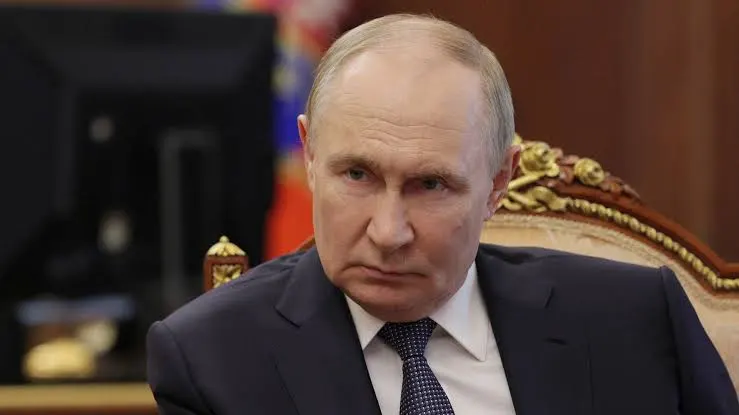
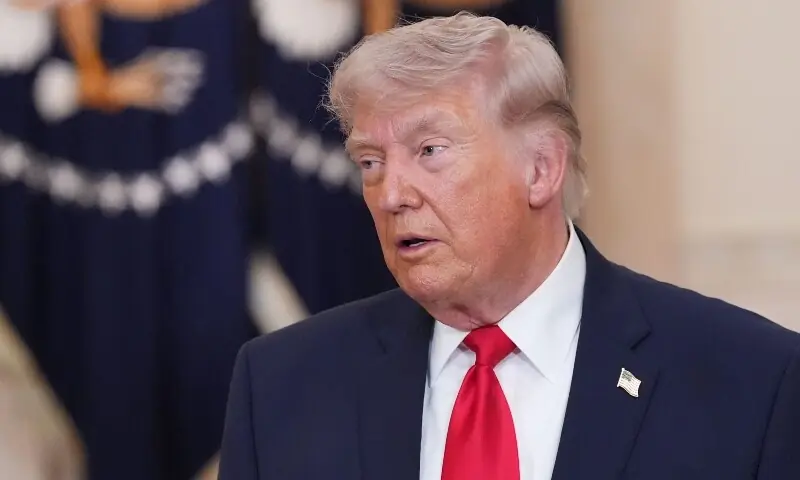
JUST IN: Russia has sharply criticized U.S. military capabilities in the Persian Gulf, asserting that Washington lacks the ability to forcibly reopen the Strait of Hormuz despite its overwhelming firepower, framing Iran’s control of the waterway as an “objective reality” that even the United States cannot challenge.
By Reflecto News Staff
April 2, 2026
MOSCOW – The Russian Foreign Ministry and senior officials have stated that any attempt by the United States to seize or forcibly reopen the Strait of Hormuz from Iranian influence “won’t work,” describing it as an objective geographic and strategic reality that American military power cannot override.
The comments come as President Donald Trump vowed in a prime-time address to “hit Iran extremely hard” over the next 2–3 weeks and “bring them back to the Stone Ages,” while global oil prices surged 6% on fears of prolonged disruption.
Russia’s Statement in Detail
Russian officials, including spokespeople from the Foreign Ministry, emphasized:
- No country, including the United States, can successfully take control of the Strait of Hormuz by force.
- Iran’s current selective transit system (widely described as a “toll booth” regime enforced by the IRGC) reflects Tehran’s geographic advantage and defensive posture.
- Stability in the waterway depends on ending the broader conflict rather than military escalation.
Moscow has repeatedly urged diplomatic solutions, warning that further U.S. or Israeli actions risk widening the war and causing deeper global energy crises. Russia has also opposed any unilateral blockade while viewing Iran’s actions in the context of self-defense against Operation Epic Fury.
Context: The Hormuz Crisis Amid Operation Epic Fury
The Strait of Hormuz, which carries roughly 20–21% of global oil and significant LNG volumes, has seen commercial traffic reduced to a trickle since late February 2026. Iran’s system requires vessels to submit ownership and cargo details to IRGC-linked intermediaries, undergo vetting, pay fees (often in Chinese yuan or stablecoins), and in some cases temporarily reflag to friendly nations like Pakistan for approval and escort.
This has coincided with:
- Sustained U.S.-Israeli airstrikes targeting IRGC missile bases (including in Isfahan), leadership, and naval assets.
- The U.S. doubling its A-10 Warthog fleet for maritime interdiction.
- President Trump’s recent briefing on a high-risk plan to seize Iran’s highly enriched uranium using ground troops and cargo planes.
Trump has suggested the strait will “open up naturally” once military objectives are met, but U.S. officials have privately acknowledged it could take weeks or months to fully restore normal operations even after major combat ends.
Russia’s Strategic Position
As a close partner of Iran and a major player in global energy markets, Russia benefits from higher oil prices while using the crisis to criticize U.S. unilateralism. Moscow has:
- Called for restraint and political dialogue.
- Warned against U.S. ground operations in Iran.
- Joined China in pushing back against resolutions that could authorize international naval intervention in the strait.
The statement underscores Russia’s narrative that American military dominance has limits in asymmetric scenarios, where geography, mines, fast-attack boats, and selective enforcement give Iran significant leverage.
Reactions and Market Impact
Oil Markets: Brent crude’s 6% surge today reflects investor anxiety over prolonged restrictions, intensified strikes, and uncertainty about reopening timelines.
U.S. Perspective: The White House and Pentagon maintain that sustained pressure will eventually force Iran to relent, with Trump emphasizing that the U.S. holds “all the cards.”
Iranian Side: Tehran is likely to welcome Russian support. Foreign Minister Abbas Araghchi has warned Trump to “change his approach” and stated “no one can set deadlines for us.” President Masoud Pezeshkian continues to distinguish between ordinary Americans and U.S. policy, while Supreme Leader Mojtaba Khamenei is reported in good health with a possible public appearance soon.
International Efforts: The UK is hosting a virtual meeting of around 35 countries this week to discuss diplomatic and political measures for restoring freedom of navigation in the strait. Prime Minister Keir Starmer has stressed avoiding direct British military involvement.
Broader Implications
Russia’s remarks highlight the growing internationalization of the conflict. While the U.S. and Israel focus on degrading Iranian capabilities through airpower, allies like Russia and China are pushing a narrative that only diplomacy — not force — can resolve the maritime and energy crisis.
Analysts note that even if U.S. strikes further weaken Iran’s conventional forces, enforcing safe passage through the narrow strait against determined asymmetric tactics (mines, drones, small boats) remains extremely challenging without a political settlement or significant ground presence.
Whether Russia’s assessment proves accurate or serves mainly as geopolitical signaling will be tested in the coming weeks as Trump’s announced escalation unfolds and the UK-led talks proceed.
Reflecto News will continue monitoring Russian and Iranian statements, oil market movements, outcomes from the UK meeting, and any shifts in U.S. military strategy.
Related Coverage on Reflecto News:
- President Trump Vows to Hit Iran “Extremely Hard” and “Bring Them Back to the Stone Ages”
- Brent Crude Oil Prices Surge 6% Following Trump’s Address
- UK to Host Meeting of 35 Countries on Reopening Strait of Hormuz
- Iran’s “Toll Booth” Regime in the Strait of Hormuz
- US Military Briefed Trump on Plan to Seize Iran’s Highly Enriched Uranium
- Iranian Foreign Minister Araghchi Warns Trump: “Must Change His Approach”
This report is based on statements from the Russian Foreign Ministry and related international reporting on the ongoing conflict.
Questions people ask
What is China's current share of global manufacturing?
China now accounts for twenty eight percent of global manufacturing. This industrial output exceeds the combined manufacturing production of the United States, Japan, and Germany, making China the leading global industrial power according to recent reports.
Why were Andrew Tate and Tristan Tate arrested in Miami?
Andrew Tate and his brother Tristan Tate were taken into custody in Miami by the United States Marshals Service. They face thirty eight new charges in the United Kingdom, including rape and child pornography offences, and prosecutors are seeking their extradition.
What warning did Moscow issue about oil prices?
Kirill Dmitriev, the Chief Executive of the Russian Direct Investment Fund, warned that a tsunami of skyrocketing oil prices is approaching. Moscow describes this potential energy shock as a major threat to global markets.
What political shift is projected for Benjamin Netanyahu's coalition?
Political polls project that Prime Minister Benjamin Netanyahu's coalition is on track to lose its majority in the upcoming October election. This projection indicates a potential political shift in Jerusalem.
Why did a Russian military aircraft land in Tehran?
A Russian airborne command aircraft, widely known as a doomsday plane, landed in Tehran. The arrival of the aircraft represents a high stakes show of support from Russia for Iran during a period of heightened regional tensions.
What did President Masoud Pezeshkian claim about the United States and Israel?
Iranian President Masoud Pezeshkian claimed that the United States and Israel failed in a forty eight hour plan to topple the Iranian government. He made these statements during a televised address marking two years since his inauguration.