Moscow – April 3, 2026 | Reflecto News
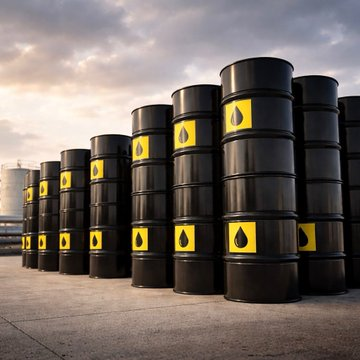
Russia has firmly declared that it does not intend to seek permission from any other countries to export or supply its oil, describing the matter as one of national sovereignty.
The statement was made by Dmitry Birichevsky, Director of the Department for Economic Cooperation at the Russian Foreign Ministry, in response to ongoing international discussions and pressures surrounding energy supplies amid the escalating war in the Middle East and disruptions in the Strait of Hormuz.
“Russia does NOT intend to seek permission from other countries to SUPPLY its oil,” Birichevsky said, adding that any such demands or expectations from foreign states are met with “bewilderment.”
Background and Context
The remark comes as global energy markets remain volatile due to the sixth week of the US-Israeli military campaign against Iran (Operation Epic Fury). Disruptions and selective control over the Strait of Hormuz — a critical chokepoint for roughly 20% of global oil and significant LNG flows — have forced many importers to seek alternative supplies, including increased Russian oil.
Russia has become a key supplier to major Asian buyers such as China and India, especially as traditional Gulf routes face uncertainty. Earlier this week:
- A Japanese LNG tanker successfully transited the Strait of Hormuz for the first time since the war began.
- Iran approved passage for ships carrying essential goods and humanitarian supplies under specific protocols.
- Countries like Bangladesh have requested temporary U.S. sanctions waivers to import Russian diesel amid acute energy shortages.
Russia has repeatedly rejected Western-led price caps and sanctions on its energy exports, insisting that oil trade decisions are a sovereign right. The country has also signaled it will not supply oil to nations that actively support or enforce price-cap mechanisms.
Implications
- For Global Markets: Russia’s firm stance reinforces its position as a major, sanctions-resilient supplier, potentially helping to stabilize supplies for willing buyers in Asia and elsewhere.
- For the Iran Conflict: The statement highlights how the war is reshaping global energy flows, with buyers turning to Russian oil while Hormuz risks persist.
- Geopolitical Signal: Moscow is signaling defiance against any attempts by the U.S. or its allies to dictate terms of Russian energy trade, even as diplomatic efforts (including recent Putin-Erdogan talks) seek de-escalation in the Middle East.
The Kremlin has emphasized that Russia will continue to prioritize reliable partners and market-based mechanisms for its oil exports.
Reflecto News will continue monitoring reactions from major importers, any shifts in sanctions policy, and developments in the Strait of Hormuz and the broader Iran conflict.
By Reflecto News Desk
Sources: Russian Foreign Ministry statements, Hindustan Times, Reuters, and international wire services.