Reflecto News is an online news platform covering major international political events, global economic developments, and security conflicts. The site provides updates on topics such as Chinese manufacturing dominance, Middle Eastern political tensions, and high profile legal arrests. Readers can access current articles organized by categories like World News, Iran, and USA.
Jerusalem / Moscow – April 5, 2026 | Reflecto News
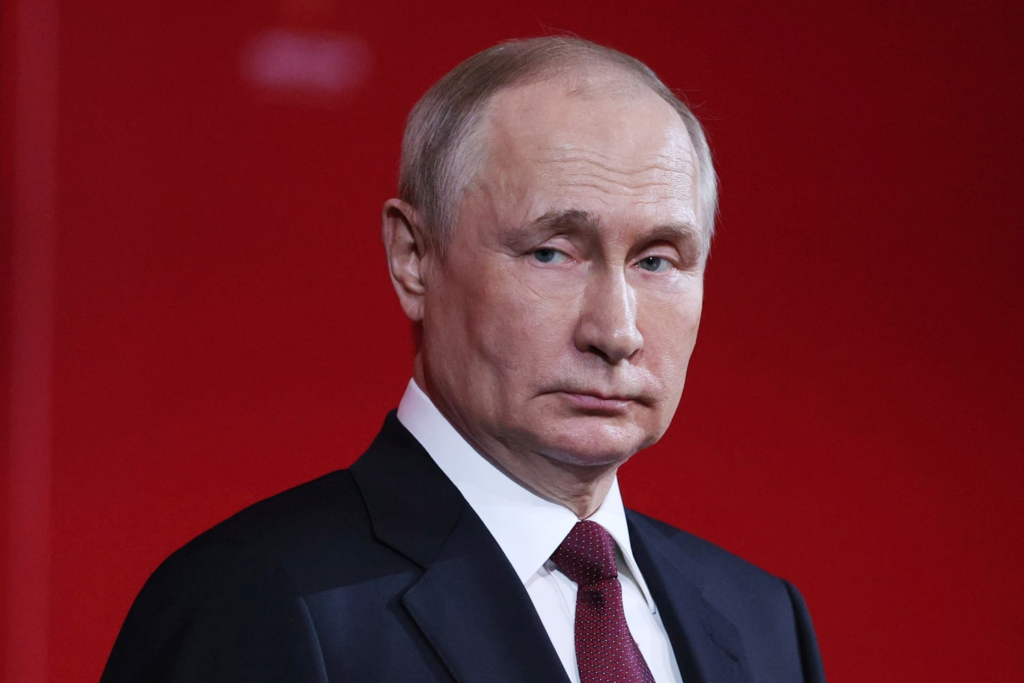
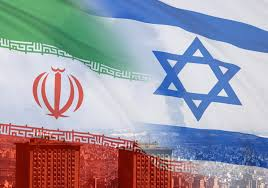
Russia supplied Iran with a detailed list of 55 key energy infrastructure targets inside Israel to guide Iranian missile and drone strikes, according to a report by The Jerusalem Post.
The intelligence sharing, which allegedly occurred in recent weeks, is said to have helped Iran prioritize attacks on Israeli power plants, natural gas facilities, oil refineries, and electricity grids during the ongoing conflict.
Details from the Report
Citing Israeli intelligence sources, the Jerusalem Post claims that Russian entities provided Tehran with precise coordinates, vulnerability assessments, and operational details on critical Israeli energy sites. The list reportedly included major facilities in the center and south of the country, some of which were struck by Iranian ballistic missiles earlier in the campaign.
Israeli officials view the alleged transfer as direct Russian involvement in the war against Israel, escalating Moscow’s role beyond diplomatic support for Iran. The report suggests the information was shared through military-to-military channels or via intermediaries in the region.
Russia has not yet issued an official comment on the allegations. Iranian state media has also remained silent on the specific claim.
Context in Operation Epic Fury
The revelation comes amid the sixth week of the U.S.-Israeli military campaign against Iran:
- U.S. forces successfully rescued both downed F-15E pilots in a daring operation that involved a “nightmare scenario” ground battle, U.S. airstrikes on IRGC units, and the deliberate destruction of multiple aircraft (including HC-130J Combat King II, MH-6 Little Bird, A-10 Warthog, and C-130 Hercules) at a remote base inside Iran.
- Recent U.S. and Israeli strikes have hit Tehran (reportedly killing over 50 senior Iranian officials) and petrochemical facilities in Iran.
- Iran has retaliated with ballistic missiles against Israel and drone strikes on Kuwaiti power and water desalination plants.
- Ceasefire talks remain stalled after Iran rejected the U.S. 15-point peace proposal.
- International diplomatic efforts continue, including Russian President Putin’s calls with Turkish President Erdogan and Saudi Crown Prince Mohammed bin Salman.
The alleged Russian assistance on energy targets would represent a significant escalation in Moscow’s support for Iran, potentially aimed at pressuring Israel and disrupting its energy security amid the broader conflict.
Implications
- For Israel: The report heightens concerns about Russian-Iranian cooperation and could prompt stronger defensive measures around energy infrastructure.
- For the U.S.: It adds another layer to the already strained transatlantic alliance and raises questions about Russia’s broader role in the Middle East war.
- Global Energy Markets: Any successful strikes on Israeli energy sites could further spike oil and gas prices, compounding disruptions already caused by selective control over the Strait of Hormuz.
Reflecto News will continue monitoring reactions from Jerusalem, Moscow, and Tehran, any Israeli confirmation or denial, and potential diplomatic fallout. This development, if verified, could significantly complicate ongoing efforts to contain the conflict.
By Reflecto News Desk
Sources: The Jerusalem Post, Reuters, Axios, Iranian state media, Russian Foreign Ministry statements, and international wire services.
Questions people ask
What is China's current share of global manufacturing?
China now accounts for twenty eight percent of global manufacturing. This industrial output exceeds the combined manufacturing production of the United States, Japan, and Germany, making China the leading global industrial power according to recent reports.
Why were Andrew Tate and Tristan Tate arrested in Miami?
Andrew Tate and his brother Tristan Tate were taken into custody in Miami by the United States Marshals Service. They face thirty eight new charges in the United Kingdom, including rape and child pornography offences, and prosecutors are seeking their extradition.
What warning did Moscow issue about oil prices?
Kirill Dmitriev, the Chief Executive of the Russian Direct Investment Fund, warned that a tsunami of skyrocketing oil prices is approaching. Moscow describes this potential energy shock as a major threat to global markets.
What political shift is projected for Benjamin Netanyahu's coalition?
Political polls project that Prime Minister Benjamin Netanyahu's coalition is on track to lose its majority in the upcoming October election. This projection indicates a potential political shift in Jerusalem.
Why did a Russian military aircraft land in Tehran?
A Russian airborne command aircraft, widely known as a doomsday plane, landed in Tehran. The arrival of the aircraft represents a high stakes show of support from Russia for Iran during a period of heightened regional tensions.
What did President Masoud Pezeshkian claim about the United States and Israel?
Iranian President Masoud Pezeshkian claimed that the United States and Israel failed in a forty eight hour plan to topple the Iranian government. He made these statements during a televised address marking two years since his inauguration.