Reflecto News is an online news platform covering major international political events, global economic developments, and security conflicts. The site provides updates on topics such as Chinese manufacturing dominance, Middle Eastern political tensions, and high profile legal arrests. Readers can access current articles organized by categories like World News, Iran, and USA.
President Donald Trump has issued a stark new warning to Iran, declaring that if a comprehensive deal is not reached soon, the United States will “blow up everything” and seize Iranian oil assets. The aggressive rhetoric escalates the ongoing confrontation and comes just days after Trump’s ultimatum for Iran to reopen the Strait of Hormuz or face “Power Plant and Bridge Day” strikes on Tuesday.
By Reflecto News Desk
April 5, 2026 | Washington / Tehran
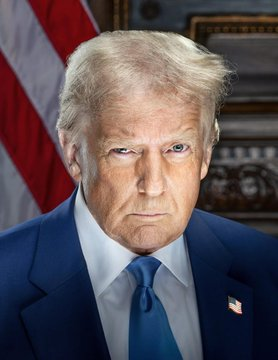
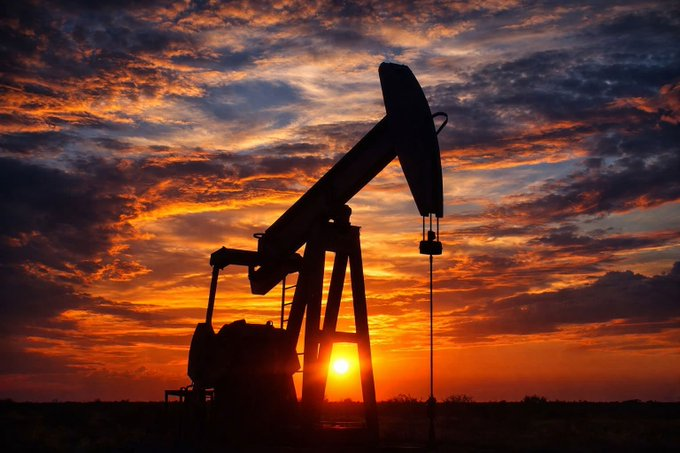
In remarks that blend blunt negotiation tactics with explicit military and economic threats, President Trump stated that failure to reach an agreement would result in devastating strikes across Iran and potential U.S. control over Iranian oil resources. The comments reflect growing frustration with the stalled diplomatic track and the persistent disruption of the Strait of Hormuz, which continues to affect global energy markets despite selective tanker transits.
Trump’s latest threat builds on previous statements, including the seven-hour daylight combat search-and-rescue (CSAR) operation deep inside Iran for the downed F-15E pilot and repeated emphasis on the high costs of the conflict to U.S. forces.
Context of Escalating Rhetoric
The president’s words come amid a complex battlefield and diplomatic landscape:
- Strait of Hormuz Status: Iran continues to grant case-by-case exemptions (most recently an Iraqi oil tanker), but full reopening has not occurred. Limited transits by French-linked, Indian, and Iraqi vessels have taken place under Iranian agreements, yet U.S. intelligence assesses that normalized flows are unlikely in the near term.
- Gulf Infrastructure Attacks: The UAE has confirmed three fires at the Borouge petrochemical plant in Abu Dhabi triggered by debris from intercepted Iranian projectiles. Similar incidents have affected the Habshan gas facility and caused injuries in Ajman.
- U.S. Operations Inside Iran: Significant aircraft attrition, including losses during the costly CSAR mission involving temporary desert airstrips south of Isfahan, HC-130J tankers deliberately destroyed, and other platforms. Iranian claims put U.S. equipment damage at over $2.4 billion in the first 35 days.
- Iranian Retaliation: Missile strikes on Israeli targets, including the hit on the Ne’ot Hovav industrial zone causing fires at chemical facilities.
Diplomatic and Regional Backdrop
Trump’s threat contrasts with ongoing Iranian overtures for talks:
- Foreign Minister Abbas Araghchi has stressed willingness for mediated negotiations via Pakistan, seeking a “conclusive and lasting” end to the war on acceptable terms.
- Hardline figures like Mohsen Rezaee continue to mock U.S. internal Pentagon leadership changes under Defense Secretary Pete Hegseth.
- Security concerns persist in Iraq, with the U.S. Embassy in Baghdad describing recent attacks as assassination attempts on American diplomats.
The combination of military pressure, selective Hormuz exemptions, and high-stakes threats illustrates a classic “maximum pressure” approach mixed with limited diplomatic channels. Seizing Iranian oil would represent an extraordinary escalation with major legal, international, and market implications, likely intended as leverage rather than an immediate operational plan.
Reflecto News will continue monitoring any Iranian response to the latest threats, developments ahead of the Tuesday Hormuz deadline, updates on Gulf industrial incidents (including Borouge), and the status of backchannel talks via Pakistan or other intermediaries.
Sources: President Trump’s statements, cross-referenced with Reuters, Axios, The New York Times, Iranian state media, and UAE official reports as of April 5, 2026. Rhetoric in active conflicts often serves both signaling and domestic purposes; actual policy implementation remains subject to rapid change.
Questions people ask
What is China's current share of global manufacturing?
China now accounts for twenty eight percent of global manufacturing. This industrial output exceeds the combined manufacturing production of the United States, Japan, and Germany, making China the leading global industrial power according to recent reports.
Why were Andrew Tate and Tristan Tate arrested in Miami?
Andrew Tate and his brother Tristan Tate were taken into custody in Miami by the United States Marshals Service. They face thirty eight new charges in the United Kingdom, including rape and child pornography offences, and prosecutors are seeking their extradition.
What warning did Moscow issue about oil prices?
Kirill Dmitriev, the Chief Executive of the Russian Direct Investment Fund, warned that a tsunami of skyrocketing oil prices is approaching. Moscow describes this potential energy shock as a major threat to global markets.
What political shift is projected for Benjamin Netanyahu's coalition?
Political polls project that Prime Minister Benjamin Netanyahu's coalition is on track to lose its majority in the upcoming October election. This projection indicates a potential political shift in Jerusalem.
Why did a Russian military aircraft land in Tehran?
A Russian airborne command aircraft, widely known as a doomsday plane, landed in Tehran. The arrival of the aircraft represents a high stakes show of support from Russia for Iran during a period of heightened regional tensions.
What did President Masoud Pezeshkian claim about the United States and Israel?
Iranian President Masoud Pezeshkian claimed that the United States and Israel failed in a forty eight hour plan to topple the Iranian government. He made these statements during a televised address marking two years since his inauguration.