Reflecto News is an online news platform covering major international political events, global economic developments, and security conflicts. The site provides updates on topics such as Chinese manufacturing dominance, Middle Eastern political tensions, and high profile legal arrests. Readers can access current articles organized by categories like World News, Iran, and USA.
Reflecto News
April 18, 2026
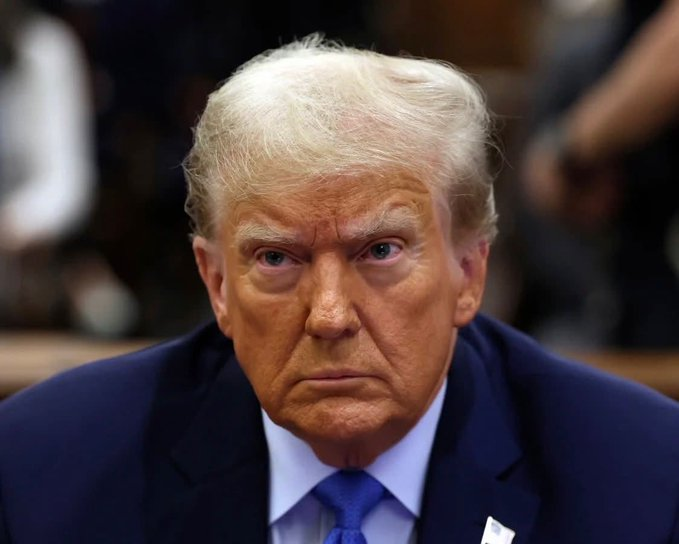
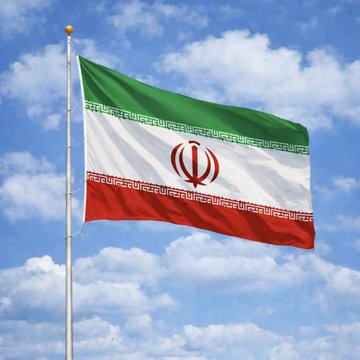
U.S. President Donald Trump has dramatically escalated his rhetoric against Iran, warning that the United States is prepared to destroy every power plant and every bridge in the country if Tehran does not accept a deal to reopen the Strait of Hormuz and meet other U.S. demands.
Speaking in strong terms, Trump stated: “If they don’t come through, they’re going to lose every power plant and every other plant they have in the whole country… If they don’t do something by the deadline, they won’t have any power plants and they won’t have any bridges standing.” He added emphatically, “NO MORE MR. NICE GUY!”
The threat comes as U.S. representatives prepare to travel to Pakistan tomorrow (Sunday, April 19) for a new round of negotiations with Iranian officials, following the inconclusive first direct talks held in Islamabad earlier this month.
Trump’s Ultimatum and the Strait of Hormuz
Trump’s comments focus heavily on the Strait of Hormuz, the critical waterway through which roughly one-fifth of global oil and LNG passes. Iran has imposed restrictions on shipping in response to the U.S.-led naval blockade of Iranian ports, disrupting energy flows and driving up global prices.
The President described a precise military plan capable of achieving “complete demolition” of Iranian infrastructure within a short timeframe (reports indicate a potential four-hour window), targeting power generation and transportation networks. He has previously referenced similar threats, including potential strikes on desalination plants, which international law experts have warned could constitute violations of humanitarian law if they disproportionately affect civilians.
Trump stressed that he does not want to carry out the strikes but made clear the U.S. has the capability and willingness if no agreement is reached.
Timing and Diplomatic Backdrop
The warning arrives just before the second round of U.S.-Iran talks in Pakistan, hosted with Pakistani mediation. The first round in mid-April lasted over 20 hours but ended without a final deal, leaving a fragile two-week ceasefire in place.
U.S. officials, including those accompanying Vice President JD Vance in earlier sessions, have emphasized red lines on Iran’s nuclear program and maritime security. Iran has accused the U.S. of inconsistent messaging and violating ceasefire terms through the ongoing blockade.
The Saturday press conference, which also featured podcaster Joe Rogan standing behind Trump, highlighted the administration’s dual approach of aggressive public pressure combined with continued diplomatic engagement.
International Reactions and Risks
The remarks have already drawn concern from allies and neutral parties:
- Iranian officials have previously dismissed similar threats as bluster while reiterating that any attack on civilian infrastructure would be met with strong retaliation.
- China has reiterated its readiness to play a “constructive role” in de-escalation.
- Brazilian President Lula da Silva has criticized excessive militarism and called for peaceful resolutions.
- Humanitarian and legal experts warn that striking power plants and bridges could cause widespread civilian suffering, blackouts, and long-term infrastructure collapse.
The escalation risks complicating the upcoming talks in Pakistan and heightening tensions across the Gulf region.
Reflecto News will continue to monitor developments from the upcoming negotiations in Islamabad, any Iranian response, and the status of the fragile ceasefire.
Frequently Asked Questions (FAQs)
Q1: What exactly did President Trump threaten?
Trump warned that the U.S. would destroy every power plant and every bridge in Iran if Tehran does not accept a deal, particularly regarding reopening the Strait of Hormuz. He used the phrase “NO MORE MR. NICE GUY!”
Q2: What is the deadline Trump referenced?
Previous statements tied similar threats to a Tuesday evening deadline for reopening the Strait of Hormuz, though the latest comments were made in the context of ongoing negotiations.
Q3: When are the next U.S.-Iran talks?
U.S. representatives are scheduled to travel to Pakistan tomorrow (April 19, 2026) for a new round of negotiations hosted by Pakistani mediators.
Q4: What is the current status of the ceasefire?
A fragile two-week ceasefire remains in effect following the first Islamabad talks, but disputes persist over the Strait of Hormuz and the U.S. naval blockade.
Q5: Why is the Strait of Hormuz so important?
It is a narrow chokepoint carrying about 20% of global oil and LNG supplies. Disruptions have already contributed to higher energy prices worldwide.
Q6: How has Iran responded to similar threats?
Iranian officials have called the rhetoric inconsistent and warned of strong retaliation, while asserting readiness to defend national interests through its navy and other means.
Q7: What are the potential consequences of such strikes?
Experts warn that targeting civilian infrastructure like power plants and bridges could cause massive blackouts, humanitarian crises, and long-term economic damage, potentially amounting to violations of international humanitarian law.
For the latest updates on U.S.-Iran negotiations, Trump’s statements, and the situation in the Strait of Hormuz, stay with Reflecto News — delivering accurate, timely international reporting.
Questions people ask
What is China's current share of global manufacturing?
China now accounts for twenty eight percent of global manufacturing. This industrial output exceeds the combined manufacturing production of the United States, Japan, and Germany, making China the leading global industrial power according to recent reports.
Why were Andrew Tate and Tristan Tate arrested in Miami?
Andrew Tate and his brother Tristan Tate were taken into custody in Miami by the United States Marshals Service. They face thirty eight new charges in the United Kingdom, including rape and child pornography offences, and prosecutors are seeking their extradition.
What warning did Moscow issue about oil prices?
Kirill Dmitriev, the Chief Executive of the Russian Direct Investment Fund, warned that a tsunami of skyrocketing oil prices is approaching. Moscow describes this potential energy shock as a major threat to global markets.
What political shift is projected for Benjamin Netanyahu's coalition?
Political polls project that Prime Minister Benjamin Netanyahu's coalition is on track to lose its majority in the upcoming October election. This projection indicates a potential political shift in Jerusalem.
Why did a Russian military aircraft land in Tehran?
A Russian airborne command aircraft, widely known as a doomsday plane, landed in Tehran. The arrival of the aircraft represents a high stakes show of support from Russia for Iran during a period of heightened regional tensions.
What did President Masoud Pezeshkian claim about the United States and Israel?
Iranian President Masoud Pezeshkian claimed that the United States and Israel failed in a forty eight hour plan to topple the Iranian government. He made these statements during a televised address marking two years since his inauguration.