Reflecto News is an online news platform covering major international political events, global economic developments, and security conflicts. The site provides updates on topics such as Chinese manufacturing dominance, Middle Eastern political tensions, and high profile legal arrests. Readers can access current articles organized by categories like World News, Iran, and USA.
Reflecto News
April 19, 2026
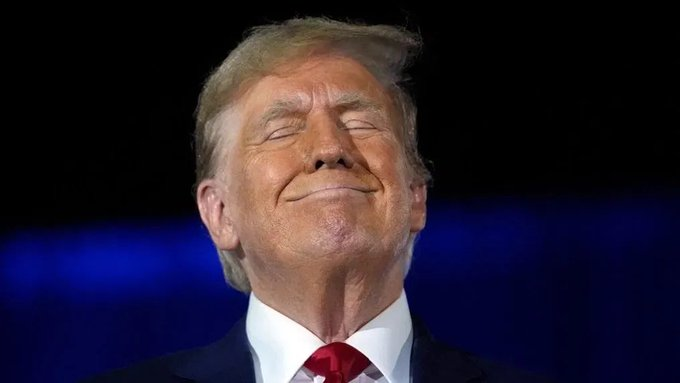
U.S. President Donald Trump has confidently declared that the emerging agreement with Iran will surpass the 2015 Joint Comprehensive Plan of Action (JCPOA), commonly known as the Iran Nuclear Deal negotiated under President Barack Obama.
In his latest comments, Trump stated: “The deal that we are making with Iran will be FAR BETTER than the JCPOA, commonly referred to as the Iran Nuclear Deal.”
Trump has long criticized the original JCPOA as “horrible” and “one-sided,” arguing it failed to permanently prevent Iran from developing a nuclear weapon due to sunset clauses and insufficient restrictions. He withdrew the U.S. from the agreement in 2018 during his first term, reimposing “maximum pressure” sanctions.
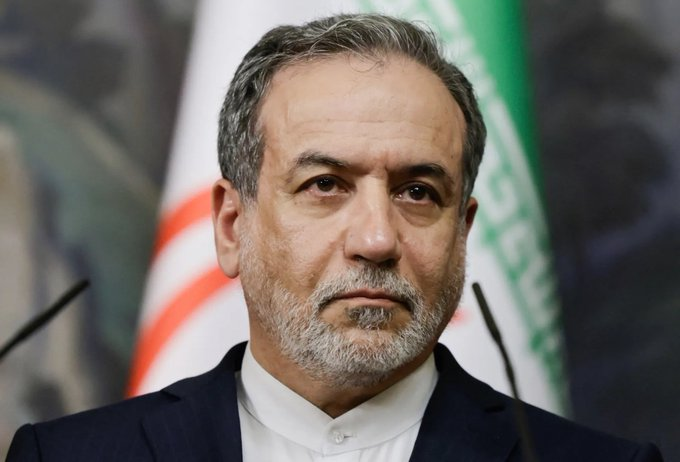
The president’s assertion comes as indirect U.S.-Iran negotiations — mediated primarily by Pakistan — continue amid a fragile ceasefire. Trump has repeatedly expressed optimism that a new framework will deliver stronger, more permanent constraints on Iran’s nuclear program, including verifiable limits on uranium enrichment, removal of “nuclear dust” (enriched uranium stockpiles), and broader concessions on regional behavior.
Key Differences Trump Highlights
- No Sunset Clauses: Trump has emphasized that any new deal must lack the time-limited provisions of the JCPOA, ensuring long-term restrictions rather than temporary ones.
- Stronger Verification and Enforcement: The administration seeks more robust monitoring and snapback mechanisms, backed by continued economic leverage such as the naval blockade on Iranian ports.
- Broader Scope: Beyond nuclear issues, discussions reportedly touch on Iran’s ballistic missile program, proxy activities, and maritime security in the Strait of Hormuz.
U.S. officials note that prior military actions have already damaged some Iranian nuclear infrastructure, potentially making it easier to negotiate stricter terms than in 2015. However, Iran maintains its program is peaceful and has pushed back against maximalist demands.
Current Negotiation Landscape
- Pakistani mediation remains central, with recent high-level meetings in Tehran involving Army Chief Field Marshal Asim Munir.
- The two-week ceasefire faces pressure, with calls for extension to allow up to six months for a comprehensive agreement.
- The IRGC has re-closed the Strait of Hormuz, citing the U.S. blockade as a violation, adding urgency to maritime security talks.
- Parallel tracks include the 10-day Israel-Lebanon ceasefire and planned White House summit with Lebanese President Joseph Aoun and Israeli Prime Minister Benjamin Netanyahu.
Trump has praised Pakistan’s role and indicated he might personally travel to Islamabad for a potential signing ceremony.
Reactions and Challenges
Israeli officials remain cautious, stressing that any deal must fully neutralize Iran’s nuclear and missile threats. Critics of the original JCPOA support Trump’s push for a tougher agreement, while some analysts warn that achieving significantly better terms could prove difficult given Iran’s retained capabilities (over 60% of missile launchers and ~40% of attack drones, per U.S. intelligence).
Iranian hardliners, including Parliament Speaker Mohammad Bagher Qalibaf, have countered by claiming battlefield successes forced the U.S. to seek a ceasefire.
What’s Next?
Technical-level discussions are expected to intensify in the coming days, with focus on nuclear verification, sanctions relief, and reopening the Strait of Hormuz. Progress (or lack thereof) will determine whether the fragile ceasefire holds or tensions escalate further.
Reflecto News will continue tracking developments in U.S.-Iran negotiations, statements from President Trump, Pakistani mediation efforts, and impacts on regional stability and global energy markets.
Frequently Asked Questions (FAQs)
Q1: What did President Trump say about the new Iran deal?
A: Trump stated the emerging agreement “will be FAR BETTER than the JCPOA,” the 2015 Iran Nuclear Deal under Obama, which he has long criticized as weak and temporary.
Q2: Why does Trump believe a new deal can be superior?
A: He argues it can eliminate sunset clauses, impose stronger verification, achieve more permanent limits on enrichment, and address broader issues like missiles and regional proxies — leveraging U.S. pressure including the naval blockade.
Q3: What was the original JCPOA?
A: The 2015 Joint Comprehensive Plan of Action limited Iran’s nuclear activities (including uranium enrichment levels and stockpiles) in exchange for sanctions relief. Trump withdrew the U.S. from it in 2018.
Q4: How do current talks compare?
A: Mediated largely by Pakistan, negotiations aim for a more comprehensive framework. Officials estimate up to six months may be needed, with an extension of the current fragile ceasefire under discussion.
Q5: What obstacles remain?
A: Key sticking points include the extent of enrichment limits, sanctions relief, verification mechanisms, and the status of the Strait of Hormuz, which the IRGC has re-closed due to the U.S. blockade.
Q6: How has Iran responded to Trump’s claims?
A: Iranian officials, including hardliners like Parliament Speaker Qalibaf, have portrayed the ceasefire as a result of Iranian strength rather than U.S. pressure, while continuing indirect talks.
For the latest on U.S.-Iran negotiations, President Trump’s statements, the JCPOA comparisons, and related Middle East developments (including the Strait of Hormuz and Israel-Lebanon ceasefire), bookmark Reflecto News.
This article is based on President Trump’s public statements and verified reporting from multiple sources as of April 19, 2026.
Questions people ask
What is China's current share of global manufacturing?
China now accounts for twenty eight percent of global manufacturing. This industrial output exceeds the combined manufacturing production of the United States, Japan, and Germany, making China the leading global industrial power according to recent reports.
Why were Andrew Tate and Tristan Tate arrested in Miami?
Andrew Tate and his brother Tristan Tate were taken into custody in Miami by the United States Marshals Service. They face thirty eight new charges in the United Kingdom, including rape and child pornography offences, and prosecutors are seeking their extradition.
What warning did Moscow issue about oil prices?
Kirill Dmitriev, the Chief Executive of the Russian Direct Investment Fund, warned that a tsunami of skyrocketing oil prices is approaching. Moscow describes this potential energy shock as a major threat to global markets.
What political shift is projected for Benjamin Netanyahu's coalition?
Political polls project that Prime Minister Benjamin Netanyahu's coalition is on track to lose its majority in the upcoming October election. This projection indicates a potential political shift in Jerusalem.
Why did a Russian military aircraft land in Tehran?
A Russian airborne command aircraft, widely known as a doomsday plane, landed in Tehran. The arrival of the aircraft represents a high stakes show of support from Russia for Iran during a period of heightened regional tensions.
What did President Masoud Pezeshkian claim about the United States and Israel?
Iranian President Masoud Pezeshkian claimed that the United States and Israel failed in a forty eight hour plan to topple the Iranian government. He made these statements during a televised address marking two years since his inauguration.