Reflecto News is an online news platform covering major international political events, global economic developments, and security conflicts. The site provides updates on topics such as Chinese manufacturing dominance, Middle Eastern political tensions, and high profile legal arrests. Readers can access current articles organized by categories like World News, Iran, and USA.
Reflecto News – April 8, 2026
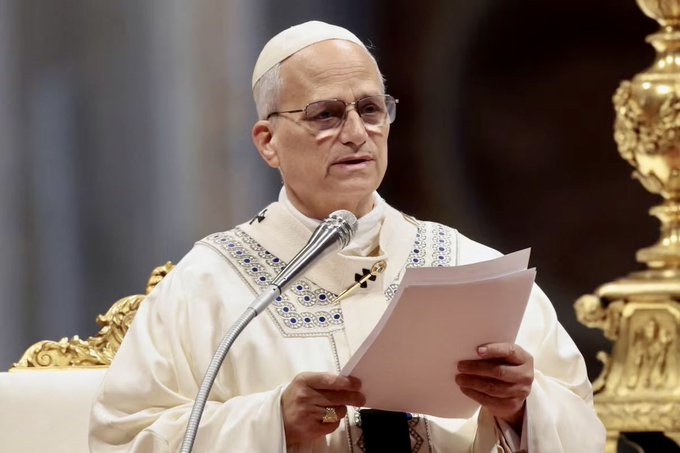
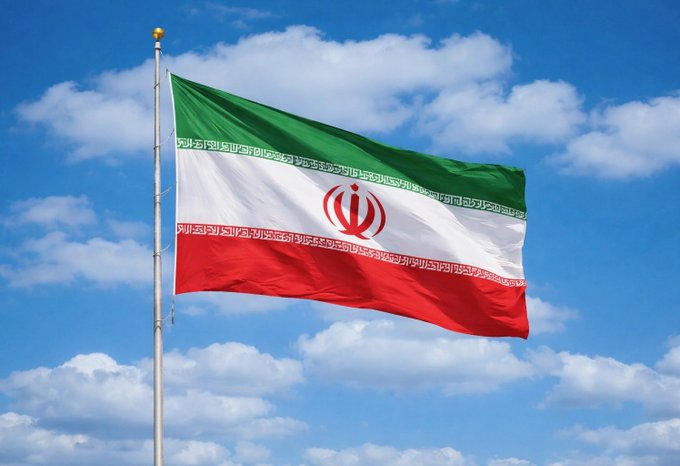
Pope Leo XIV has strongly criticized rhetoric that threatens the entire Iranian population, describing it as “truly unacceptable.” The first American-born pontiff issued the rebuke amid escalating U.S.-Iran tensions, specifically addressing recent statements by President Donald Trump that warned a “whole civilization will die tonight” if Iran failed to reopen the Strait of Hormuz by a set deadline.
The comments, delivered on April 7, 2026, underscore the Vatican’s consistent call for de-escalation, protection of civilians, and dialogue in the ongoing Middle East crisis. Pope Leo XIV emphasized that attacks on civilian infrastructure would violate international law and moral principles.
Who Is Pope Leo XIV? Background on the Current Pontiff
Pope Leo XIV, born Robert Francis Prevost on September 14, 1955, in Chicago, Illinois, was elected the 267th Bishop of Rome on May 8, 2025, succeeding Pope Francis. He is the first U.S.-born pope and the first member of the Order of Saint Augustine to hold the position. With a background that includes missionary work in Peru and service as Prefect of the Dicastery for Bishops, Pope Leo XIV has continued many of his predecessor’s emphases on peace, social justice, care for the vulnerable, and interfaith dialogue.
As a dual U.S.-Peruvian citizen, he brings a unique perspective shaped by experiences in both the Global North and South. Since his election, he has positioned the Catholic Church as a voice for restraint in global conflicts, warning against the human cost of war and the dangers of inflammatory rhetoric.
The Pope’s Statement in Context
In remarks reported widely on April 7, Pope Leo XIV stated that threatening an entire population or civilization crosses a moral boundary. He specifically highlighted the risks posed by potential strikes on civilian infrastructure such as power plants, bridges, and energy facilities, arguing that such actions would contravene principles of just war and international humanitarian law.
This latest intervention builds on the Pope’s earlier appeals during the crisis. In March 2026, following initial U.S. and Israeli strikes on Iran, he expressed “deep concern” over the violence and warned of a “tragedy of enormous proportions.” He urged all parties to halt the “spiral of violence” through “reasonable, authentic, and responsible dialogue” rather than mutual threats or weapons that “sow destruction, pain, and death.”
During Holy Week and Easter 2026, Pope Leo XIV repeatedly called for an “off-ramp” to the conflict, prayed for peace, and organized prayer vigils. He has stressed that true stability cannot be achieved through domination or force but through encounter and negotiation.
Connection to the Strait of Hormuz Crisis
The Pope’s comments come as the UN Security Council grappled with a failed resolution on freedom of navigation in the Strait of Hormuz. China and Russia vetoed the measure, with Beijing arguing that passage amid U.S. threats would send the wrong message.
The strait remains a flashpoint: roughly one-fifth of global oil trade passes through it, and disruptions have spiked energy prices worldwide. President Trump’s deadline and strong language — including references to annihilating infrastructure — have drawn international criticism for potentially endangering civilians and escalating the conflict.
Pope Leo XIV’s intervention adds a powerful moral dimension to the diplomatic debate, aligning with calls from other global leaders for restraint while the U.S. continues rescue operations (including the recent use of advanced “Ghost Murmur” technology) and pressures Iran over shipping restrictions.
Vatican’s Broader Stance on War and Peace
The Catholic Church under Pope Leo XIV maintains the traditional just war theory framework, which sets strict criteria for the legitimate use of force, including discrimination between combatants and civilians, proportionality, and last resort. The Pope has repeatedly reminded world leaders that invoking faith or divine justification to fuel conflict contradicts Christian teachings on peace.
His messages echo long-standing papal tradition — from Pope Francis’s calls for peace in Ukraine and Gaza to earlier pontiffs’ advocacy during global crises. Pope Leo has also condemned the growing indifference to violence and urged leaders to prioritize the suffering of ordinary people over geopolitical gains.
Reactions and Global Implications
The Pope’s statement has resonated across religious and diplomatic circles. Supporters praise it as a timely reminder of shared humanity amid rising tensions. Iranian officials have welcomed the moral condemnation of threats, while some U.S. voices defend the administration’s position as necessary to protect global shipping and deter aggression.
Analysts note that Vatican diplomacy often serves as a bridge in divided situations. With Pope Leo XIV scheduled for an apostolic journey to Africa later in April, his focus on peace may influence broader international discussions.
A failure to de-escalate risks wider regional instability, refugee crises, environmental damage from energy infrastructure attacks, and economic fallout affecting the world’s poorest populations — concerns the Pope has repeatedly highlighted.
What This Means Moving Forward
As the deadline for reopening the Strait of Hormuz has passed and diplomatic efforts continue behind the scenes, Pope Leo XIV’s words add weight to calls for negotiation. The Vatican is expected to maintain its neutral yet principled stance, advocating for civilian protection and a just resolution that respects sovereignty while ensuring global security.
FAQs About Pope Leo XIV’s Statement on Iran
Q1: What exactly did Pope Leo XIV say about the threats to Iran?
He described threatening the entire Iranian population or civilization as “truly unacceptable” and warned that attacks on civilian infrastructure violate international law.
Q2: Is this the first time Pope Leo XIV has spoken on the U.S.-Iran conflict?
No. He has issued multiple appeals since early 2026, warning of an “irreparable abyss,” calling for an “off-ramp,” and urging dialogue over violence during Angelus addresses, Easter messages, and other public appearances.
Q3: Does the Pope support Iran’s position in the conflict?
The Vatican maintains neutrality and criticizes threats or actions from all sides that endanger civilians. The focus remains on de-escalation, protection of innocent lives, and diplomatic solutions rather than taking sides.
Q4: How does Catholic teaching apply to this situation?
Just war theory requires that force be a last resort, proportionate, and discriminate between military and civilian targets. The Pope emphasizes that modern warfare often fails these tests, especially when entire populations are threatened.
Q5: What role can religious leaders play in such geopolitical crises?
Popes have historically served as moral authorities, convening prayer, facilitating quiet diplomacy, and reminding leaders of ethical obligations. Pope Leo XIV continues this tradition by highlighting the human cost of conflict.
Q6: Will the Pope’s comments influence U.S. policy?
While the Vatican has no direct political power, papal statements often shape global public opinion and can encourage diplomatic engagement. The first American pope’s voice carries particular resonance in U.S. Catholic and broader audiences.
Reflecto News will continue to provide updates on the evolving situation in the Middle East, including diplomatic developments at the UN, military actions, and international responses from religious and political leaders.
Stay informed with Reflecto News – Delivering accurate, balanced, and in-depth coverage of global events, diplomacy, and their human impact.
Questions people ask
What is China's current share of global manufacturing?
China now accounts for twenty eight percent of global manufacturing. This industrial output exceeds the combined manufacturing production of the United States, Japan, and Germany, making China the leading global industrial power according to recent reports.
Why were Andrew Tate and Tristan Tate arrested in Miami?
Andrew Tate and his brother Tristan Tate were taken into custody in Miami by the United States Marshals Service. They face thirty eight new charges in the United Kingdom, including rape and child pornography offences, and prosecutors are seeking their extradition.
What warning did Moscow issue about oil prices?
Kirill Dmitriev, the Chief Executive of the Russian Direct Investment Fund, warned that a tsunami of skyrocketing oil prices is approaching. Moscow describes this potential energy shock as a major threat to global markets.
What political shift is projected for Benjamin Netanyahu's coalition?
Political polls project that Prime Minister Benjamin Netanyahu's coalition is on track to lose its majority in the upcoming October election. This projection indicates a potential political shift in Jerusalem.
Why did a Russian military aircraft land in Tehran?
A Russian airborne command aircraft, widely known as a doomsday plane, landed in Tehran. The arrival of the aircraft represents a high stakes show of support from Russia for Iran during a period of heightened regional tensions.
What did President Masoud Pezeshkian claim about the United States and Israel?
Iranian President Masoud Pezeshkian claimed that the United States and Israel failed in a forty eight hour plan to topple the Iranian government. He made these statements during a televised address marking two years since his inauguration.