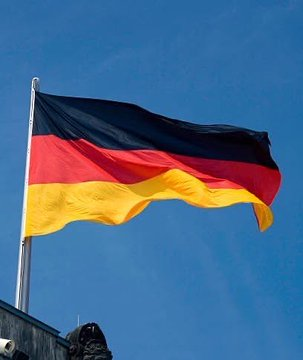
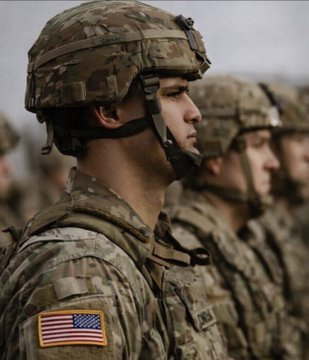
WASHINGTON — The Pentagon has ordered the withdrawal of approximately 5,000 U.S. troops from Germany, expected to be completed over the next six to twelve months, in a decisive response to German Chancellor Friedrich Merz’s criticism of the U.S. handling of the war against Iran .
The move represents roughly 14% of the roughly 36,000 active-duty U.S. personnel currently stationed in Germany and marks one of the most significant ruptures in the U.S.-German alliance in decades . President Donald Trump had threatened the drawdown earlier this week after Merz told students that the U.S. had no “convincing negotiating strategy” and was being “humiliated” by Iran .
“This decision follows a thorough review of the Department’s force posture in Europe and is in recognition of theater requirements and conditions on the ground.”
— Chief Pentagon Spokesman Sean Parnell
📉 A Direct Reaction in a War of Words
While the Pentagon stated the move was based on operational requirements, a senior defense official conceded to Reuters that recent German rhetoric had been “inappropriate and unhelpful” . The official said the president is “rightly reacting to these counterproductive remarks” after Merz questioned Washington’s exit strategy in the Middle East .
Merz did not back down from his criticism ahead of the announcement. He reiterated that the Iran war was “ill-considered” and that Germany “suffers massive economic damage” from the conflict . Trump had fumed on social media, claiming Merz “doesn’t know what he’s talking about” and that Germany was “doing so poorly, both economically and in other respects” .
🌍 The End of an Era for European Security
Germany hosts the largest contingent of U.S. troops in Europe, including the critical Ramstein Air Base (a logistics hub for Middle East operations), the headquarters of U.S. European Command and Africa Command, and Landstuhl Regional Medical Center (the largest U.S. military hospital overseas) .
The reduction reverses a Biden-era buildup of forces following Russia’s invasion of Ukraine. The official said the drawdown will bring levels back to their pre-2022 baseline, representing a significant shift in the “Strategic Realignment” of U.S. power . While Trump has targeted Germany, he has also suggested potential troop reductions in Spain and Italy, criticizing them for failing to support U.S. operations against Iran .
🏛️ Congressional and German Reactions
The decision has drawn immediate fire from Capitol Hill.
“President Trump is once again putting personal grievance ahead of U.S. national security… It will damage U.S. national security and undermine the ability of the U.S. military to operate across three continents.”
— Rep. Gregory Meeks (D-N.Y.), Ranking Member of the House Foreign Affairs Committee
German Foreign Minister Johann Wadephul stated Berlin was “prepared for it” and was discussing the matter within NATO “in a spirit of trust,” though he emphasized decisions should be made appropriately among allies .
📊 What the Numbers Mean for the Alliance
| Aspect | Details |
|---|---|
| Current US Troops in Germany | ~36,400 – 36,500 |
| Number to be Withdrawn | ~5,000 (approx. 14% reduction) |
| Timeline | 6–12 months |
| Key Justification | Shift in strategic posture / “Reaction to ally criticism” |
| Previous Attempt (Trump 1.0) | Proposed 9,500 withdrawal (blocked by Biden) |
Trump had previously attempted a similar troop reduction during his first term, which was subsequently halted by President Joe Biden . However, this time the machinery appears to be in motion, signaling a profound cooling of the transatlantic alliance at a time of heightened global instability.
Follow Reflecto News for continuous updates on NATO, the U.S. military footprint in Europe, and all breaking news from around the world.