Reflecto News is an online news platform covering major international political events, global economic developments, and security conflicts. The site provides updates on topics such as Chinese manufacturing dominance, Middle Eastern political tensions, and high profile legal arrests. Readers can access current articles organized by categories like World News, Iran, and USA.
Aframax Vessel Becomes First Crude Carrier to Exit Persian Gulf Since US Naval Blockade Began on April 13, Carrying ~450,000 Barrels of UAE Crude Toward Karachi
By Reflecto News Staff
April 17, 2026
The Pakistan-flagged Aframax tanker Shalamar has become the first crude-laden vessel to exit the Strait of Hormuz since the US-imposed naval blockade took effect earlier this week, according to ship-tracking data reported by Bloomberg.
The tanker sailed south of Iran’s Larak Island late Thursday (April 16) and entered the Gulf of Oman, carrying approximately 450,000 barrels (roughly half its capacity) of Abu Dhabi’s Das Blend crude. The cargo was loaded at Das Island in the United Arab Emirates at an ADNOC terminal. The vessel is now en route to Karachi, Pakistan, with an expected discharge around April 19.
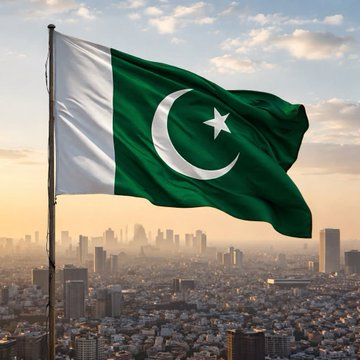
Representative image of an Aframax tanker similar in class to the Shalamar navigating open waters.
Rare Transit Amid Tightened US Blockade
The Shalamar first attempted to enter the Persian Gulf on Sunday but executed a U-turn as US-Iran peace talks collapsed. It successfully entered later that day, loaded the UAE-origin crude, and has now completed the outbound passage without reported interference.
This marks a notable exception to sharply reduced traffic through the vital chokepoint, which normally handles about 20% of global oil trade. US Central Command has stated that at least 14 vessels have been turned back in the initial days of the blockade, which targets ships linked to Iranian ports or suspected of carrying contraband.
The Shalamar is owned and managed by the Pakistan National Shipping Corporation (PNSC). Pakistan’s petroleum minister confirmed the loading of UAE crude, emphasizing the commercial nature of the voyage. Reports indicate the vessel may receive Pakistani naval escort once in international waters.
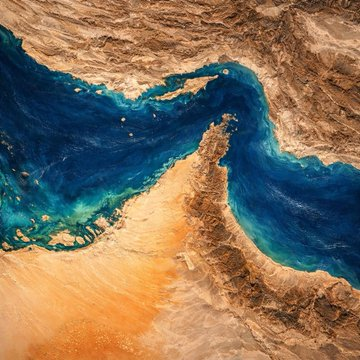
Map of the Strait of Hormuz region, showing the tanker’s reported path south of Larak Island into the Gulf of Oman.
Broader Impact on Shipping and Energy Markets
- Limited Precedent: While some non-crude or non-Iran-linked vessels have transited recently, the Shalamar is the first confirmed crude export since the blockade intensified.
- Selective Enforcement: The successful passage of UAE-origin crude (not Iranian) highlights that the blockade appears focused primarily on Iranian-linked activity, though overall traffic remains severely constrained.
- Market Signal: The transit offers a minor indication of resilience in Gulf oil flows from non-Iranian sources, but analysts warn that insurance premiums, war-risk surcharges, and caution among shipowners continue to suppress volumes.
US naval assets in the region as part of ongoing blockade enforcement operations.
Strategic Context
The incident underscores Pakistan’s balancing act in maintaining energy imports while navigating the complex US-Iran standoff. It also draws attention to the practical limits of fully sealing the Strait of Hormuz and the continued flow of oil from key Gulf producers like the UAE.
No major incidents were reported during the Shalamar’s passage, though the broader environment remains tense with heightened naval presence and risks of escalation.
Frequently Asked Questions (FAQs)
Q1: What cargo was the Shalamar carrying?
A: Approximately 450,000 barrels of Abu Dhabi Das Blend crude loaded at Das Island in the UAE. The Aframax tanker was only about half full.
Q2: When did the tanker transit the Strait of Hormuz?
A: It exited late Thursday (April 16, 2026), becoming the first crude carrier to do so since the US blockade began on Monday, April 13.
Q3: Did the tanker face any interference?
A: According to available tracking data and reports, the passage occurred without reported incidents. It had previously entered the Gulf after an initial U-turn earlier in the week.
Q4: Who operates the Shalamar?
A: The tanker is owned and managed by Pakistan National Shipping Corporation (PNSC), the state-owned shipping entity.
Q5: Why is this transit significant?
A: It highlights that while traffic through the Strait of Hormuz is severely limited, select non-Iranian crude shipments can still proceed, providing a small signal of continuity amid the blockade.
Q6: What is the destination and expected arrival?
A: The vessel is heading to Karachi, Pakistan, with discharge anticipated around April 19.
Reflecto News Analysis
The Shalamar’s successful transit through the Strait of Hormuz represents a rare bright spot for commercial shipping in a heavily restricted waterway. Carrying UAE crude rather than Iranian oil, the voyage demonstrates selective enforcement of the US blockade while underscoring the dramatic slowdown in overall traffic.
For Pakistan, the operation secures needed energy supplies through its national shipping line and highlights pragmatic diplomacy in a volatile region. Globally, it serves as a reminder that the Strait of Hormuz — despite military pressures — has not been completely closed to all commerce, though sustained low volumes risk further volatility in energy prices and supply chains.
As the US maintains its naval presence and Iran conflict dynamics evolve, shipping companies and buyers will continue to weigh risks against the need for Gulf oil. Additional transits of similar non-sanctioned cargoes could follow, but caution is likely to prevail.
For the latest updates on Strait of Hormuz developments, global oil shipping, and US-Iran tensions, stay tuned to Reflecto News — your trusted source for accurate, timely international coverage.
Related Coverage:
- US Naval Blockade in the Strait of Hormuz: Timeline and Enforcement
- Impact of Regional Tensions on Asian Oil Imports
- Pakistan’s Energy Security Strategy Amid Gulf Instability
Images used for illustrative purposes from public and news sources.
Questions people ask
What is China's current share of global manufacturing?
China now accounts for twenty eight percent of global manufacturing. This industrial output exceeds the combined manufacturing production of the United States, Japan, and Germany, making China the leading global industrial power according to recent reports.
Why were Andrew Tate and Tristan Tate arrested in Miami?
Andrew Tate and his brother Tristan Tate were taken into custody in Miami by the United States Marshals Service. They face thirty eight new charges in the United Kingdom, including rape and child pornography offences, and prosecutors are seeking their extradition.
What warning did Moscow issue about oil prices?
Kirill Dmitriev, the Chief Executive of the Russian Direct Investment Fund, warned that a tsunami of skyrocketing oil prices is approaching. Moscow describes this potential energy shock as a major threat to global markets.
What political shift is projected for Benjamin Netanyahu's coalition?
Political polls project that Prime Minister Benjamin Netanyahu's coalition is on track to lose its majority in the upcoming October election. This projection indicates a potential political shift in Jerusalem.
Why did a Russian military aircraft land in Tehran?
A Russian airborne command aircraft, widely known as a doomsday plane, landed in Tehran. The arrival of the aircraft represents a high stakes show of support from Russia for Iran during a period of heightened regional tensions.
What did President Masoud Pezeshkian claim about the United States and Israel?
Iranian President Masoud Pezeshkian claimed that the United States and Israel failed in a forty eight hour plan to topple the Iranian government. He made these statements during a televised address marking two years since his inauguration.