Reflecto News is an online news platform covering major international political events, global economic developments, and security conflicts. The site provides updates on topics such as Chinese manufacturing dominance, Middle Eastern political tensions, and high profile legal arrests. Readers can access current articles organized by categories like World News, Iran, and USA.
Rare Cargoes Purchased Under Temporary U.S. Sanctions Waiver Paid via ICICI Bank in Yuan Amid Supply Disruptions from Iran Conflict
By Reflecto News Staff
April 17, 2026
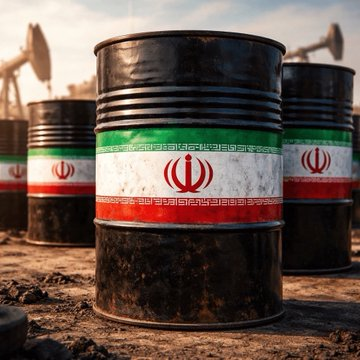
Indian refiners have used the Chinese yuan to settle payments for limited cargoes of Iranian oil, according to sources familiar with the transactions cited by Reuters.
The payments were processed through ICICI Bank for rare shipments acquired under a temporary U.S. sanctions waiver issued to help ease global energy supply pressures caused by the ongoing U.S.-Iran conflict and disruptions in the Strait of Hormuz.
This marks one of the few confirmed instances of yuan-based settlement for Iranian crude by Indian buyers in recent years, as New Delhi seeks to diversify payment mechanisms and secure supplies amid heightened geopolitical risks.

An oil tanker at sea, representative of vessels carrying Iranian crude to Asian buyers.
Context of the Purchases
India, the world’s third-largest oil importer, resumed limited purchases of Iranian crude after a nearly seven-year hiatus following the U.S. waiver. Refiners, including state-owned entities and private players, secured cargoes to offset supply shortfalls triggered by military actions and the naval blockade affecting flows through the Strait of Hormuz.
While most Indian oil imports continue to be settled in U.S. dollars or other currencies (such as dirhams for Russian oil), the use of yuan for these specific Iranian shipments reflects practical adaptations by traders and banks to navigate sanctions-related complexities and speed up transactions.
Indian Oil Ministry officials have previously stated there are “no payment hurdles” for Iranian crude imports, emphasizing that refiners have secured supplies from over 40 countries, including Iran, without major disruptions.
Map showing major oil trade routes from the Persian Gulf to India, with the Strait of Hormuz as a critical chokepoint.
Broader Trend in De-Dollarization Efforts
The move aligns with a gradual shift observed in India’s oil trade:
- Indian state refiners have previously used yuan for some Russian oil cargoes, especially when traders requested it.
- Private refiners have shown greater flexibility with non-dollar settlements.
- The Indian government has encouraged exploration of local currency trade (rupee) where possible, though the yuan has emerged as a convenient alternative in certain deals due to China’s role as a major trading partner and its acceptance by some suppliers.
Analysts note that yuan settlements help bypass some dollar-based restrictions and reduce exposure to U.S. sanctions enforcement, though they remain limited in scale for Iranian oil due to political sensitivities and banking channel constraints.
Implications for Energy Security and Geopolitics
- For India: Securing Iranian barrels at competitive terms helps stabilize domestic fuel prices and diversifies sources during a period of volatility in global oil markets.
- For Iran: Access to Asian buyers, even with alternative payment methods, provides critical revenue amid tightened Western sanctions and export challenges.
- For Global Markets: Increased use of non-dollar currencies in commodity trade continues a slow de-dollarization trend, though the U.S. dollar remains dominant in oil settlements worldwide.
No official confirmation has come from the Indian government or Iranian authorities on the exact volume or value of yuan-denominated payments. Sources described the transactions as limited and pragmatic rather than a policy shift.
Oil refinery facility in India, where imported crude including from Iran is processed.
What Happens Next?
As the temporary U.S. waiver and regional security situation evolve, Indian refiners are expected to continue balancing purchases from traditional suppliers (Saudi Arabia, Iraq, Russia) with opportunistic Iranian cargoes. Any expansion of yuan or other alternative settlements will likely depend on banking feasibility, sanctions clarity, and bilateral relations.
The development highlights India’s pragmatic energy diplomacy — maintaining strong ties with the U.S. while securing affordable supplies through flexible payment channels.
Frequently Asked Questions (FAQs)
Q1: Did Indian refiners pay for Iranian oil in Chinese yuan?
A: Yes, according to Reuters sources. Limited cargoes were settled in yuan via ICICI Bank under the temporary U.S. sanctions waiver.
Q2: Why use yuan instead of dollars?
A: It helps navigate sanctions-related banking challenges, speeds up transactions, and reflects practical adaptations by traders and refiners amid geopolitical tensions.
Q3: How significant is this in volume?
A: The transactions involve rare or limited cargoes, not a large-scale shift. India continues to source most oil in dollars or other currencies from diverse suppliers.
Q4: Has the Indian government approved yuan payments for Iranian oil?
A: The government has stated there are no payment hurdles for Iranian crude and that refiners have secured supplies without major issues. Specific currency details for individual deals are handled commercially.
Q5: Is this part of a broader de-dollarization trend?
A: It fits into gradual efforts by India and other countries to diversify payment mechanisms for energy trade, similar to past yuan use for Russian oil, though the dollar remains dominant.
Q6: What is the current status of Indian imports from Iran?
A: India resumed limited purchases after a long hiatus, aided by the U.S. waiver, as part of efforts to manage supply disruptions from the Iran conflict.
Reflecto News Analysis
The use of Chinese yuan by Indian refiners for Iranian oil payments underscores the pragmatic, multi-aligned approach New Delhi takes toward energy security during turbulent times. While volumes appear modest, the move illustrates how sanctions, conflict-driven disruptions, and banking realities push buyers toward alternative currencies and channels.
This development does not signal a wholesale shift away from the dollar but reflects the increasing flexibility in global oil trade settlements. As the Iran situation evolves and sanctions dynamics shift, such arrangements could become more common — or face pushback depending on U.S. policy responses.
India’s ability to secure Iranian barrels without major payment obstacles highlights its growing leverage as a major consumer, even as it balances relations with Washington, Tehran, and Beijing.
For ongoing coverage of global oil trade, sanctions impacts, and India’s energy diplomacy, stay tuned to Reflecto News — your trusted source for accurate, timely international reporting.
Related Coverage:
- India Resumes Iranian Oil Imports After Seven-Year Hiatus
- Impact of U.S.-Iran Conflict on Asian Crude Supply Chains
- De-Dollarization Trends in Global Energy Trade
Images used for illustrative purposes from public and news sources.
Questions people ask
What is China's current share of global manufacturing?
China now accounts for twenty eight percent of global manufacturing. This industrial output exceeds the combined manufacturing production of the United States, Japan, and Germany, making China the leading global industrial power according to recent reports.
Why were Andrew Tate and Tristan Tate arrested in Miami?
Andrew Tate and his brother Tristan Tate were taken into custody in Miami by the United States Marshals Service. They face thirty eight new charges in the United Kingdom, including rape and child pornography offences, and prosecutors are seeking their extradition.
What warning did Moscow issue about oil prices?
Kirill Dmitriev, the Chief Executive of the Russian Direct Investment Fund, warned that a tsunami of skyrocketing oil prices is approaching. Moscow describes this potential energy shock as a major threat to global markets.
What political shift is projected for Benjamin Netanyahu's coalition?
Political polls project that Prime Minister Benjamin Netanyahu's coalition is on track to lose its majority in the upcoming October election. This projection indicates a potential political shift in Jerusalem.
Why did a Russian military aircraft land in Tehran?
A Russian airborne command aircraft, widely known as a doomsday plane, landed in Tehran. The arrival of the aircraft represents a high stakes show of support from Russia for Iran during a period of heightened regional tensions.
What did President Masoud Pezeshkian claim about the United States and Israel?
Iranian President Masoud Pezeshkian claimed that the United States and Israel failed in a forty eight hour plan to topple the Iranian government. He made these statements during a televised address marking two years since his inauguration.