Open-source intelligence analyst @andynovy has highlighted a reported U.S. special operations incursion deep into Iran, approximately 400 km inside the country south of Isfahan, in a sensitive region containing nuclear-related facilities, missile bases, and an airbase. The operation reportedly involved establishing a temporary desert airstrip in a sparsely populated area to support the combat search-and-rescue (CSAR) effort for the crew of the downed F-15E Strike Eagle, relying on surprise, low-altitude flights, and remote terrain to minimize detection.
By Reflecto News Desk
April 5, 2026 | Isfahan Province / Washington
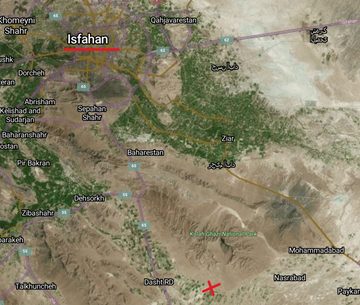
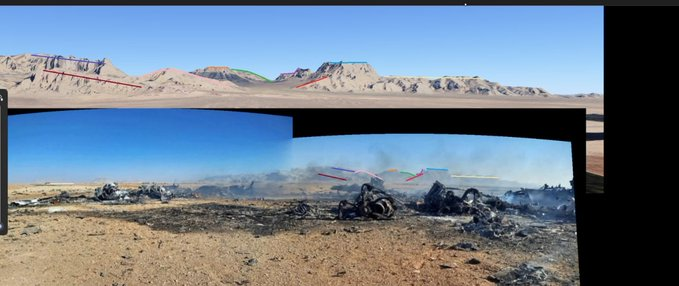
The coordinates provided (32.258394, 51.901927) point to a remote desert location in central/southern Iran, roughly south-southwest of Isfahan in an area with limited population density but strategic military and nuclear significance nearby. Isfahan province hosts key Iranian facilities, including nuclear research and conversion sites, missile production or storage infrastructure, and airbases.
According to the OSINT account, U.S. forces used the improvised airstrip for HC-130J Combat King II rescue tankers and supporting helicopters during the high-risk extraction. Complications during departure reportedly led to difficulties in exfiltrating the team and assets, consistent with earlier reports of stranded aircraft being deliberately destroyed (via airstrikes or explosives) to prevent capture of sensitive technology.
U.S. officials have confirmed the successful recovery of at least one F-15E crew member (the pilot) from Iranian soil, with the second crew member’s status varying across reports (some indicate both were eventually recovered, others note ongoing elements). The mission involved special operations forces, low-flying helicopters (including HH-60 Pave Hawks), and supporting aircraft, with enemy fire reported against rescue assets.
Reported Details and Challenges
- Depth and Sensitivity: Penetrating ~400 km into Iran, near Isfahan’s strategic sites, would represent one of the deepest known U.S. ground/air incursions in the current conflict.
- Tactics: Surprise, remote desert terrain, and temporary landing zones allowed insertion and extraction under the radar. Multiple fixed-wing and rotary assets were reportedly involved.
- Complications: Leaving the area proved difficult, aligning with accounts of HC-130Js and helicopters becoming stranded or damaged, leading to self-destruction of some platforms to deny Iran intelligence gains.
- Disinformation Element: Earlier reports (including from Axios) noted U.S. intelligence fed misleading information suggesting the pilot was already recovered, potentially delaying Iranian response.
Iranian sources have claimed multiple U.S. aircraft (including C-130 variants and helicopters) were shot down during the operation, while U.S. accounts emphasize successful crew recoveries with no American fatalities reported in the rescue phase.
Strategic Implications (If Verified)
- Air Defense Gaps: A successful deep incursion near sensitive nuclear and missile sites would highlight potential weaknesses in Iran’s layered air defense coverage and rapid response capabilities in certain sectors.
- Operational Boldness: It demonstrates U.S. willingness and technical ability to conduct high-risk personnel recovery far inside hostile territory, raising hypothetical questions about feasibility for other objectives (e.g., intelligence raids or temporary seizure of materials).
- Escalation Risks: Such operations increase the chance of direct confrontation and complicate diplomatic efforts.
Broader Conflict Snapshot
The reported incursion fits into the intense air and special operations campaign:
- Significant U.S. aircraft attrition, including the original F-15E, supporting A-10s, helicopters, and drones.
- Iranian retaliatory strikes on Gulf targets and claimed interceptions.
- Infrastructure targeting on both sides, including the Karaj bridge strike.
- The Strait of Hormuz remains disrupted, with selective transits ongoing.
Diplomatically, Iran’s Foreign Minister Abbas Araghchi has reiterated openness to mediated talks via Pakistan, focusing on a “conclusive and lasting” end to the war.
Reflecto News will continue monitoring any official U.S. or Iranian confirmation of the incursion details, verification of the coordinates and footage, status of all crew members, and potential Iranian responses. Claims from active conflict zones remain subject to independent verification.
Sources: OSINT reporting including @andynovy, cross-referenced with The New York Times, Axios, Military Watch Magazine, CBS News, and regional updates as of April 5, 2026. The situation is highly fluid.