
Reflecto News is an online news platform covering major international political events, global economic developments, and security conflicts. The site provides updates on topics such as Chinese manufacturing dominance, Middle Eastern political tensions, and high profile legal arrests. Readers can access current articles organized by categories like World News, Iran, and USA.
By Reflecto News Desk
April 16, 2026
Israeli Prime Minister Benjamin Netanyahu has outlined firm conditions for any potential agreement with Iran, stating that it must include the complete end of Iran’s uranium enrichment program and the reopening of the Strait of Hormuz to international shipping.
In a video statement, Netanyahu declared: “Any deal with Iran requires ending uranium enrichment and reopening the Strait of Hormuz.” He listed three core requirements: removal of all enriched uranium from Iran, termination of its uranium enrichment program, and full reopening of the strategic waterway.
Netanyahu added that US and Israeli objectives on Iran are “aligned,” noting that Washington continues to keep Israel closely informed about ongoing diplomatic developments.
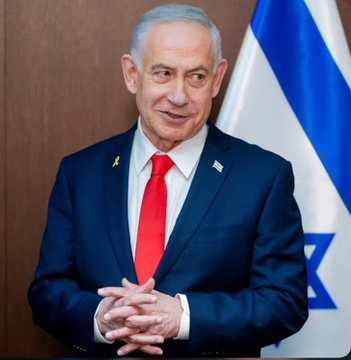
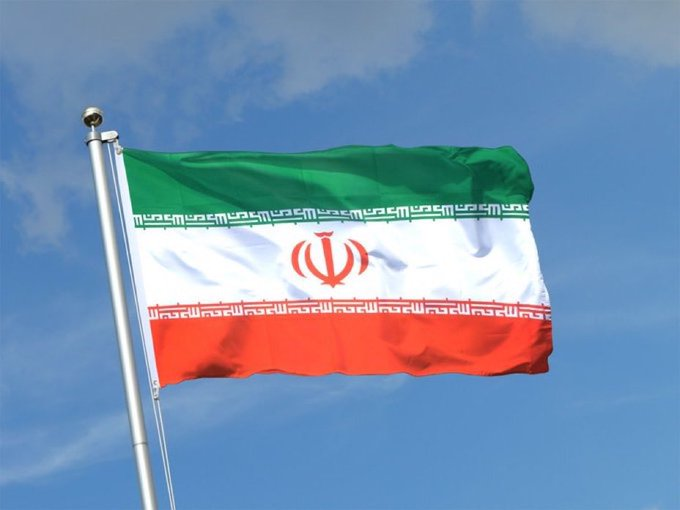
Netanyahu’s Key Points
- Uranium enrichment: Iran must not only stop enrichment but also remove all existing enriched material from its territory — either through agreement or, if necessary, through resumed military action.
- Strait of Hormuz: The waterway must be fully reopened for international navigation without restrictions.
- Alignment with the US: Netanyahu emphasized close coordination with the Trump administration, saying the two countries see “eye to eye” on the core objectives.
The statement comes as the short-term US-Iran ceasefire remains in effect but faces uncertainty ahead of its expected April 22 expiration. Diplomatic efforts for a possible second round of direct talks (likely in Islamabad) are continuing, while the US naval blockade on Iranian-linked shipping in the Strait of Hormuz persists.
Broader Context
Netanyahu’s conditions echo longstanding Israeli red lines on the Iranian nuclear issue and align with US demands for verifiable, long-term restrictions on Iran’s nuclear capabilities. The emphasis on reopening the Strait of Hormuz directly addresses the current US blockade, which has redirected multiple vessels and disrupted Iranian oil exports.
The remarks also occur amid:
- Allegations (including leaked documents cited by the Financial Times) of Iranian use of foreign satellite technology for targeting.
- Russian and Chinese criticism of the US blockade.
- President Trump’s recent claim that China has agreed not to send weapons to Iran (unconfirmed by Beijing).
Reflecto News will continue monitoring reactions from Tehran, Washington, and other regional actors, as well as any progress toward renewed US-Iran negotiations or changes to the Hormuz situation.
Frequently Asked Questions (FAQs)
Q1: What are Netanyahu’s exact conditions for an Iran deal?
End of all uranium enrichment, removal of existing enriched uranium from Iran, and full reopening of the Strait of Hormuz for international shipping.
Q2: Did Netanyahu say the US and Israel are aligned?
Yes. He stated that US and Israeli objectives on Iran are “aligned” and that Washington is keeping Israel informed about talks.
Q3: How does this relate to the current ceasefire?
The ceasefire is fragile and due to expire around April 22. Netanyahu’s comments set a high bar for any longer-term agreement, potentially complicating diplomatic efforts.
Q4: What is the status of the Strait of Hormuz?
The US continues its naval blockade on Iranian-linked shipping. CENTCOM reports that multiple vessels have been redirected, with “zero ships” breaking through.
Q5: Has Iran responded to Netanyahu’s statement?
No immediate official reaction from Tehran has been reported, but Iran has consistently rejected demands to abandon its enrichment program.
Q6: Will this affect upcoming US-Iran talks?
It raises the bar for any deal and highlights the significant gaps that would need to be bridged in potential negotiations.
For the latest updates on US-Iran diplomacy, the Hormuz blockade, Israel’s position, and regional developments, follow Reflecto News — your trusted source for accurate, timely, and balanced international coverage.
Questions people ask
What is China's current share of global manufacturing?
China now accounts for twenty eight percent of global manufacturing. This industrial output exceeds the combined manufacturing production of the United States, Japan, and Germany, making China the leading global industrial power according to recent reports.
Why were Andrew Tate and Tristan Tate arrested in Miami?
Andrew Tate and his brother Tristan Tate were taken into custody in Miami by the United States Marshals Service. They face thirty eight new charges in the United Kingdom, including rape and child pornography offences, and prosecutors are seeking their extradition.
What warning did Moscow issue about oil prices?
Kirill Dmitriev, the Chief Executive of the Russian Direct Investment Fund, warned that a tsunami of skyrocketing oil prices is approaching. Moscow describes this potential energy shock as a major threat to global markets.
What political shift is projected for Benjamin Netanyahu's coalition?
Political polls project that Prime Minister Benjamin Netanyahu's coalition is on track to lose its majority in the upcoming October election. This projection indicates a potential political shift in Jerusalem.
Why did a Russian military aircraft land in Tehran?
A Russian airborne command aircraft, widely known as a doomsday plane, landed in Tehran. The arrival of the aircraft represents a high stakes show of support from Russia for Iran during a period of heightened regional tensions.
What did President Masoud Pezeshkian claim about the United States and Israel?
Iranian President Masoud Pezeshkian claimed that the United States and Israel failed in a forty eight hour plan to topple the Iranian government. He made these statements during a televised address marking two years since his inauguration.