Reflecto News is an online news platform covering major international political events, global economic developments, and security conflicts. The site provides updates on topics such as Chinese manufacturing dominance, Middle Eastern political tensions, and high profile legal arrests. Readers can access current articles organized by categories like World News, Iran, and USA.
Israeli Prime Minister Benjamin Netanyahu has declared that Israeli forces today struck railways and bridges utilized by Iran’s Islamic Revolutionary Guard Corps (IRGC). The announcement escalates the direct involvement of Israel in targeting Iranian infrastructure, coming at a moment when civilian mobilization in Iran is rising and U.S. threats of broader strikes remain active.
By Reflecto News Desk
April 7, 2026 | Jerusalem / Tehran
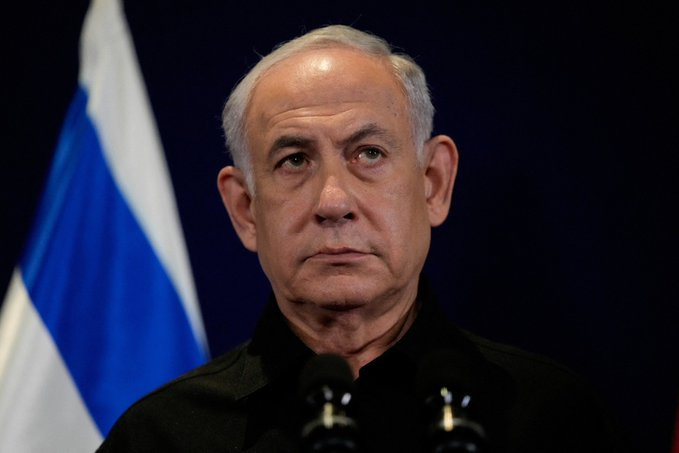
In a public statement, Netanyahu confirmed the precision strikes on transportation networks linked to the IRGC, framing them as necessary to disrupt the group’s operational capabilities. The targets include railways and bridges that Israeli intelligence assessed were being used for military logistics, troop movements, and supply lines supporting IRGC activities.
This development occurs against the backdrop of intense civilian action in Iran, where residents in Ahvaz formed a human chain on the White Bridge to protect key infrastructure from potential attacks. It also follows Iran’s complete cutoff of direct diplomacy with the United States and ongoing threats regarding maritime chokepoints.
Strategic Context of the Strikes
The Israeli operation targets assets tied to the IRGC, which has played a central role in Iran’s defense and regional proxy activities:
- The IRGC has previously warned that any crossing of its “red lines” would prompt responses “beyond the region.”
- Strikes on railways and bridges align with broader Israeli statements about eliminating Iranian leaders and destroying critical infrastructure.
- These actions come shortly after U.S. strikes on Kharg Island (bunkers, radar, ammunition storage) and reported damage at Mehrabad International Airport in Tehran.
Iranian officials have not yet issued a detailed response, but the civilian human chain in Ahvaz demonstrates public determination to defend such assets, echoing President Masoud Pezeshkian’s claims that over 14 million Iranians are ready to sacrifice for the country.
Impact on the Wider Conflict
Netanyahu’s announcement adds another layer to the multi-front pressure on Iran:
- Maritime Dimension: Iran maintains selective control over the Strait of Hormuz and has warned that allies could close the Bab al-Mandab Strait (handling ~10–12% of world trade) if escalation continues.
- Diplomatic Freeze: All direct and indirect channels with the U.S. remain severed, though limited bilateral deals (such as the recent France-Iran prisoner exchange) show selective diplomacy is still possible.
- U.S. Posture: President Trump and Vice President JD Vance have signaled readiness to deploy additional “tools” if Iran does not change course, with threats of strikes on power plants and bridges still looming.
The targeting of transportation infrastructure raises concerns about long-term disruption to civilian movement and supply chains inside Iran, potentially compounding humanitarian challenges.
Reflecto News will continue monitoring Iranian reactions, any confirmed damage from the Israeli strikes on railways and bridges, further civilian mobilization, and developments involving the Strait of Hormuz and Bab al-Mandab.
FAQs: Israeli Strikes on IRGC-Linked Railways and Bridges
Q1: What exactly did Netanyahu announce?
Israeli strikes on railways and bridges used by the Revolutionary Guards for military logistics and operations.
Q2: How does this connect to the human chain in Ahvaz?
The civilian action on Ahvaz’s White Bridge appears to be a proactive defense of similar infrastructure in response to escalating threats against bridges and transport networks.
Q3: Is this coordinated with the United States?
While the U.S. and Israel are allies, Netanyahu’s statement focuses on Israeli actions; coordination details have not been publicly disclosed.
Q4: What risks does striking transportation infrastructure pose?
It could disrupt civilian rail and road networks, affect humanitarian aid, and increase the chance of civilian casualties or economic hardship inside Iran.
Q5: How might Iran respond?
The IRGC has threatened broader retaliation “beyond the region,” and further asymmetric actions or proxy involvement (including potential Bab al-Mandab closure) remain possible.
Sources: Statement by Prime Minister Benjamin Netanyahu, Iranian media reports, cross-referenced international coverage as of April 7, 2026. Infrastructure strikes in active conflicts carry significant humanitarian and strategic implications; the situation continues to evolve rapidly.
Questions people ask
What is China's current share of global manufacturing?
China now accounts for twenty eight percent of global manufacturing. This industrial output exceeds the combined manufacturing production of the United States, Japan, and Germany, making China the leading global industrial power according to recent reports.
Why were Andrew Tate and Tristan Tate arrested in Miami?
Andrew Tate and his brother Tristan Tate were taken into custody in Miami by the United States Marshals Service. They face thirty eight new charges in the United Kingdom, including rape and child pornography offences, and prosecutors are seeking their extradition.
What warning did Moscow issue about oil prices?
Kirill Dmitriev, the Chief Executive of the Russian Direct Investment Fund, warned that a tsunami of skyrocketing oil prices is approaching. Moscow describes this potential energy shock as a major threat to global markets.
What political shift is projected for Benjamin Netanyahu's coalition?
Political polls project that Prime Minister Benjamin Netanyahu's coalition is on track to lose its majority in the upcoming October election. This projection indicates a potential political shift in Jerusalem.
Why did a Russian military aircraft land in Tehran?
A Russian airborne command aircraft, widely known as a doomsday plane, landed in Tehran. The arrival of the aircraft represents a high stakes show of support from Russia for Iran during a period of heightened regional tensions.
What did President Masoud Pezeshkian claim about the United States and Israel?
Iranian President Masoud Pezeshkian claimed that the United States and Israel failed in a forty eight hour plan to topple the Iranian government. He made these statements during a televised address marking two years since his inauguration.