Israeli Prime Minister Benjamin Netanyahu has openly stated that Israel is systematically targeting and eliminating senior Iranian leaders while destroying key infrastructure inside Iran. The remarks, made during a security cabinet meeting and later broadcast, underscore Israel’s determination to press its military campaign amid the ongoing war with Iran.
By Reflecto News Desk
April 3, 2026 | Jerusalem / Tel Aviv
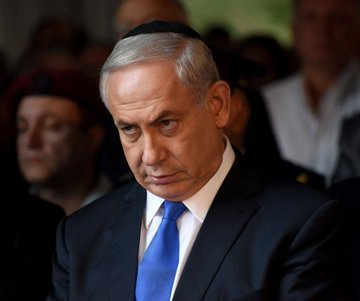
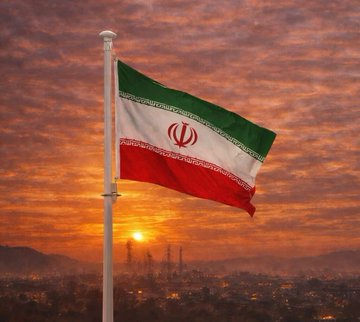
In unusually direct language, Netanyahu said: “We are eliminating Iranian leaders and blowing up critical infrastructure. This is what we are doing, and we will continue to do so until our objectives are achieved.” The statement comes as Israeli strikes have reportedly killed or wounded several high-profile Iranian figures, including the recent assassination attempt on former Foreign Minister Kamal Kharazi that killed his wife and left him seriously wounded.
Netanyahu emphasized that the operations are aimed at degrading Iran’s military capabilities, nuclear program, and command structure. He rejected any immediate ceasefire, stating that only sustained pressure would force Tehran to abandon its threats and regional aggression.
Context of Israeli Operations
The comments align with a pattern of high-value targeting and infrastructure strikes that have defined the Israeli component of the U.S.-Israeli campaign against Iran:
- Repeated airstrikes on Iranian military sites, missile production facilities, and energy-related infrastructure.
- Targeted killings of IRGC commanders and senior officials.
- Damage to sites linked to Iran’s nuclear and ballistic missile programs.
These actions have been justified by Israel as necessary self-defense against Iranian missile barrages, proxy attacks, and long-standing threats to destroy the Jewish state.
Regional Reactions and Escalation Risks
Netanyahu’s blunt assessment comes at a tense moment:
- Iran’s IRGC continues to issue “warnings” of stronger, wider, and more destructive retaliatory strikes on Gulf facilities.
- Recent incidents include shrapnel injuries to 12 people in Ajman, UAE; damage to Kuwait’s water desalination plant; and fires at the UAE’s Habshan gas facility caused by interception debris.
- The UK has deployed the Rapid Sentry air defense system to Kuwait to protect Gulf interests, while other allies bolster defenses in Saudi Arabia, Bahrain, and Qatar.
- Former Iranian Foreign Minister Mohammad Javad Zarif has publicly urged Tehran to “declare victory” and negotiate an end to the war to avoid further destruction.
The Strait of Hormuz remains heavily disrupted, with pre-war daily flows of ~20.3 million barrels of oil/petroleum products and ~290 million cubic meters of LNG (over 80% destined for Asia) severely curtailed. China continues reselling record volumes of LNG to help Asian buyers cope with shortages. A recent French-linked vessel successfully tested a limited transit.
Diplomatic and Global Backdrop
- U.S. intelligence assessments continue to find no signs of Iranian regime collapse.
- Russian Foreign Minister Sergey Lavrov has warned of emerging crises in NATO and the EU.
- Russian President Vladimir Putin has offered to do “whatever is necessary” to restore peace in the Middle East.
Netanyahu’s statement is likely to provoke strong Iranian condemnation and could accelerate calls for retaliation or, conversely, strengthen voices inside Iran pushing for de-escalation.
Reflecto News will continue monitoring Israeli statements and operations, any Iranian responses or new strikes, Gulf security developments, and the situation in the Strait of Hormuz.
Sources: Israeli Prime Minister’s Office statements, Channel 12, i24NEWS, Reuters, The Times of Israel, and regional reporting as of April 3, 2026. The conflict remains highly fluid and subject to rapid verification.