Reflecto News is an online news platform covering major international political events, global economic developments, and security conflicts. The site provides updates on topics such as Chinese manufacturing dominance, Middle Eastern political tensions, and high profile legal arrests. Readers can access current articles organized by categories like World News, Iran, and USA.
Published on Reflecto News | World News | Diplomacy & Conflict
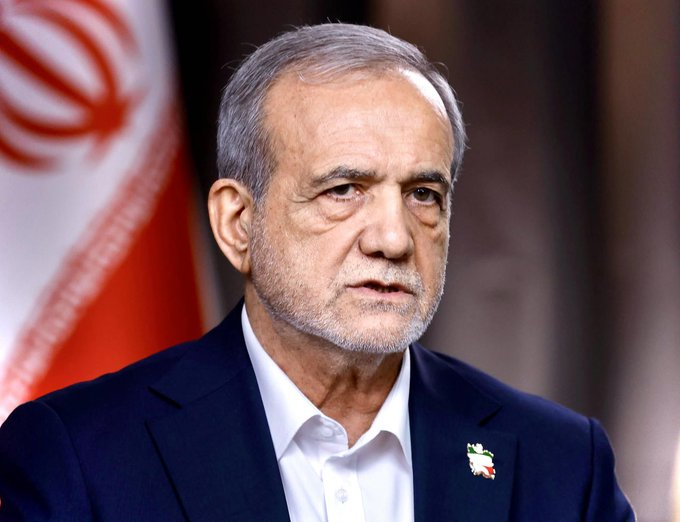
In a forceful and dramatic statement that threatens to unravel the fragile two-week ceasefire between the United States and Iran, Iranian President Masoud Pezeshkian has accused Israel of a “blatant violation” of the truce, warning that such actions signal “deception and non-compliance, rendering negotiations meaningless.” Pezeshkian further declared that Iran’s “hands remain on the trigger” and vowed that Tehran “will never forsake its Lebanese brothers and sisters.”
The statement, which represents the most direct threat yet to the ceasefire’s survival, came in response to continued Israeli military operations in Lebanon—operations that Tehran considers a fundamental breach of the agreement’s intended scope.
Pezeshkian’s Statement: ‘A Blatant Violation’
President Pezeshkian delivered the remarks during an address to Iranian officials and military commanders, framing Israel’s actions as a direct challenge to the diplomatic process. The Iranian leader’s choice of language was deliberately provocative and unambiguous.
“Israel’s renewed incursion into Lebanon is a blatant violation of the initial ceasefire agreement,” Pezeshkian declared. “This is a dangerous sign of deception and lack of commitment to potential agreements. The continuation of these actions will render negotiations meaningless.”
The Iranian president then delivered the most ominous portion of his statement:
“Our hands remain on the trigger. Iran will never abandon its Lebanese sisters and brothers.”
The phrase “hands remain on the trigger” echoes Pezeshkian’s earlier warnings about Iran’s military readiness and serves as a pointed reminder that Tehran retains both the capability and the will to escalate the conflict dramatically. The reference to Lebanon’s “sisters and brothers” reinforces Iran’s self-appointed role as the protector of Hezbollah and the broader “Axis of Resistance.”
The ‘Blatant Violation’: Israeli Strikes on Lebanon
The immediate trigger for Pezeshkian’s statement was the continued Israeli military campaign against Hezbollah targets in Lebanon—a campaign that has intensified rather than paused following the April 7 ceasefire announcement.
Since the truce took effect, Israeli forces have:
- Conducted waves of airstrikes across Lebanon, killing over 250 people in a single 24-hour period
- Issued urgent evacuation orders for southern Beirut suburbs, including areas adjacent to Rafic Hariri International Airport
- Struck densely populated residential areas without prior warning during rush hour
- Continued ground operations inside southern Lebanese territory
The Israeli military has also announced targeted killings of Hezbollah personnel, including what it described as an aide and nephew of Hezbollah leader Naim Kassem .
From Tehran’s perspective, these actions constitute not just a violation of the ceasefire’s spirit but a direct assault on an Iranian ally that was explicitly understood—by Iran and Pakistan, at least—to be covered by the truce’s protections.
The Ceasefire Dispute: Lebanon’s Exclusion
The fundamental disagreement over whether the ceasefire applies to Lebanon has now reached a crisis point. The parties remain sharply divided:
| Party | Position on Lebanon |
|---|---|
| Iran | Ceasefire includes Lebanon; Israeli strikes are violations |
| Pakistan | Ceasefire applies “everywhere, including Lebanon” |
| United States | Lebanon not part of the deal |
| Israel | Ceasefire “does not include Lebanon”; Hezbollah not covered |
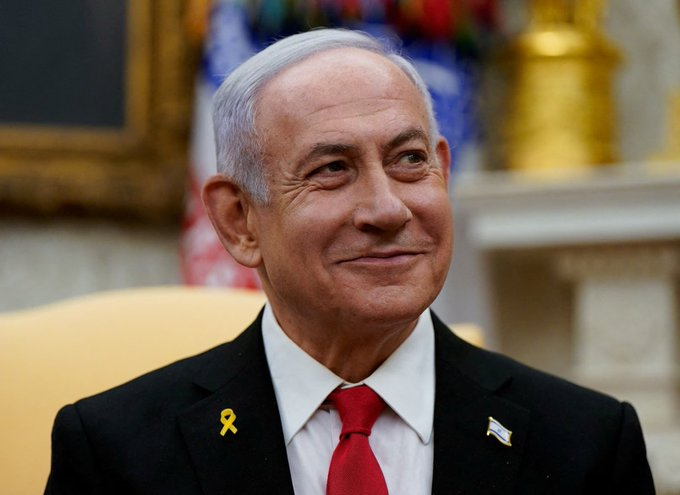
Prime Minister Netanyahu has been unambiguous: the ceasefire with Iran “does not include Lebanon” and Hezbollah is “not part of the deal” . The White House has confirmed this interpretation, with Press Secretary Karoline Leavitt stating that Lebanon was excluded from the agreement .
Iran, however, has never accepted this exclusion. Tehran has consistently maintained that any comprehensive ceasefire must extend to Lebanon, given Hezbollah’s integral role in Iran’s regional strategy and the interconnected nature of the conflict.
Pezeshkian’s statement represents Iran’s formal rejection of the US-Israeli position. By declaring Israel’s actions a “blatant violation,” Tehran is effectively stating that the ceasefire as understood by Iran has already been broken—and that continued adherence to the truce’s terms is therefore in question.
‘Rendering Negotiations Meaningless’
Perhaps the most significant element of Pezeshkian’s statement is his assertion that continued Israeli strikes “will render negotiations meaningless.” This warning directly threatens the upcoming high-level talks scheduled to take place in Islamabad, where US and Iranian delegations are expected to meet .
The Islamabad negotiations represent the best chance for transforming the temporary ceasefire into a more durable arrangement. If Iran determines that those negotiations are “meaningless” due to ongoing Israeli operations, Tehran may choose to boycott the talks entirely or approach them in bad faith.
A senior Iranian source previously warned that “if the termination of the war is not codified into a UN Security Council resolution based on our stipulated terms, we are fully prepared to resume combat against the US and the Zionist regime—just as we have over the past 40 days, and with even greater intensity” .
Pezeshkian’s “rendering negotiations meaningless” language suggests that Iran may be moving closer to that threshold.
‘Our Hands Remain on the Trigger’
The phrase “hands remain on the trigger” is not merely rhetorical flourish. It signals specific military realities:
1. Continued Readiness: Iranian missile forces, drone units, and naval assets remain at high alert levels despite the ceasefire announcement.
2. No Demobilization: Iran has not withdrawn or demobilized any of the forces that conducted operations during the past six weeks of conflict.
3. Rapid Response Capability: The phrase implies that Iran can respond to perceived violations within hours, not days or weeks.
4. Strategic Ambiguity: By not specifying what would cause Iran to “pull the trigger,” Pezeshkian maintains maximum psychological pressure on Israel and the United States.
5. Nuclear Connotations: While likely referring to conventional military action, the “trigger” language inevitably invokes nuclear considerations, adding another layer of warning.
The statement echoes earlier Iranian threats. Iran’s Supreme National Security Council has previously stated that “hands remain on the trigger” and that Iranian forces remain ready to respond to any violations .
‘Never Forsake Its Lebanese Brothers and Sisters’
Pezeshkian’s vow that Iran “will never forsake its Lebanese brothers and sisters” reaffirms the foundational principle of Iran’s regional strategy: that Hezbollah is not a disposable proxy but a core component of Iranian national security.
Iran’s commitment to Lebanon serves multiple strategic purposes:
| Purpose | Description |
|---|---|
| Forward Defense | Hezbollah’s rocket arsenal deters Israeli strikes on Iran’s nuclear program |
| Regional Power Projection | The group extends Iranian influence to the Mediterranean coast |
| Asymmetric Capability | Hezbollah allows Iran to confront Israel without direct conventional war |
| Axis of Resistance Anchor | Hezbollah is the most powerful member of Iran’s regional network |
Abandoning Lebanon would mean abandoning Hezbollah—a step that would collapse Iran’s entire regional deterrence strategy. Pezeshkian’s vow is therefore not merely rhetorical but reflects core Iranian strategic doctrine that predates the current conflict by decades.
Pakistan’s Mediation Efforts: Under Strain
Pezeshkian’s statement also places Pakistan’s mediation efforts under significant strain. Islamabad has been working to secure not only the US-Iran ceasefire but also separate truces for Lebanon and Yemen .
A Pakistani source with knowledge of the discussions confirmed that ceasefires for both Lebanon and Yemen “will be discussed during the (upcoming) talks and we will settle it” . However, Pezeshkian’s warning that continued Israeli strikes “render negotiations meaningless” threatens to undermine these efforts before they can fully begin.
The timing is particularly challenging. Pakistan has taken extraordinary measures to prepare for the Islamabad talks, locking down the capital and establishing a security zone around the Serena Hotel where both delegations are expected to stay . If Iran decides to boycott or withdraw from these talks, Pakistan’s diplomatic investment could be rendered moot.
Hezbollah’s Response: Resumed Operations
The impact of Israeli strikes on Lebanon has not been limited to Iranian rhetoric. Hezbollah has already resumed military operations against Israeli targets, ending a brief pause that followed the ceasefire announcement .
Hezbollah’s resumed operations include:
- Rocket fire targeting Israeli settlements including Manara and Kiryat Shmona
- Guided missile strikes on Israeli military vehicles in southern Lebanon
- Drone attacks on Israeli forces in Lebanese territory
The group’s return to active combat underscores how the absence of a clear Lebanese ceasefire threatens to reignite the broader conflict. Each Israeli strike on Lebanon risks a Hezbollah response, which in turn risks an Israeli escalation, creating a cycle that could quickly spiral beyond the control of Washington or Tehran.
International Reactions and Next Steps
The international community has watched Pezeshkian’s statement with alarm. The prospect of the ceasefire collapsing—barely 48 hours after it was announced—represents a nightmare scenario for global energy markets and regional stability.
Key reactions and developments to watch:
United States: The White House has not yet issued a formal response to Pezeshkian’s statement. However, President Trump previously acknowledged that Lebanon was not included in the ceasefire “because of Hezbollah” . The administration faces a difficult choice: pressure Israel to de-escalate in Lebanon, potentially straining the US-Israel alliance, or risk the collapse of the Iran ceasefire.
Israel: Prime Minister Netanyahu’s government has shown no indication of altering its Lebanon campaign. Israeli officials have framed the operations as necessary for northern security and have rejected any suggestion that they violate the ceasefire.
Pakistan: Islamabad is caught in an increasingly difficult position. Prime Minister Shehbaz Sharif has spoken with both Lebanese and Iranian leaders, attempting to mediate between conflicting positions . Whether Pakistan can bridge the gap between Iran’s demand for a Lebanese ceasefire and Israel’s refusal to accept one remains to be seen.
United Nations: Secretary-General Antonio Guterres has called for “maximum restraint” and urged all parties to respect the ceasefire framework .
What Happens Next?
The coming hours and days will be critical. Several scenarios are possible:
Scenario 1: De-escalation
Israel scales back or pauses its Lebanon operations, allowing Iran to claim the ceasefire has been restored. The Islamabad talks proceed as scheduled. This is the outcome most desired by international mediators.
Scenario 2: Managed Tension
Israel continues limited operations but avoids major strikes that would force Iran’s hand. Iran protests but does not retaliate, preserving the broader ceasefire while tensions remain high. This outcome is fragile but possible.
Scenario 3: Iranian Retaliation
Iran follows through on Pezeshkian’s warning and launches a military response to Israeli strikes. The broader US-Iran ceasefire collapses, and the region returns to full-scale war.
Scenario 4: Diplomatic Breakthrough
The Islamabad talks produce a framework that explicitly addresses Lebanon, perhaps through a separate track of negotiations between Israel and Lebanon or through Hezbollah’s integration into the broader ceasefire architecture.
Conclusion: A Ceasefire on the Brink
President Masoud Pezeshkian’s accusation that Israel “blatantly” violated the ceasefire, his warning that “hands remain on the trigger,” and his vow never to abandon Lebanon represent the most serious threat to the fragile truce since its announcement. The fundamental disagreement over Lebanon’s inclusion in the ceasefire has now moved from a diplomatic dispute to a potential trigger for renewed conflict.
Whether the ceasefire survives will depend on actions taken in the coming hours. If Israel continues its strikes on Lebanon, Pezeshkian’s warning that negotiations will become “meaningless” may become self-fulfilling. If Israel pauses or scales back operations, a diplomatic path may remain open.
For now, the world watches as a ceasefire announced with such hope just days ago teeters on the brink of collapse—with Lebanon caught in the middle, and Iran’s finger on the trigger.
Frequently Asked Questions (FAQs)
1. What did Iranian President Pezeshkian say about the ceasefire?
Pezeshkian accused Israel of a “blatant violation” of the ceasefire, stating that such actions signal “deception and non-compliance, rendering negotiations meaningless.” He warned that Iran’s “hands remain on the trigger” and vowed that Iran “will never forsake its Lebanese brothers and sisters” .
2. What was the “blatant violation” Pezeshkian referred to?
Pezeshkian was referring to continued Israeli military strikes on Lebanon, including airstrikes that killed over 250 people, evacuation orders for southern Beirut suburbs, and ongoing ground operations against Hezbollah .
3. Does the ceasefire apply to Lebanon according to Iran?
Yes. Iran has consistently maintained that the ceasefire includes Lebanon. Pezeshkian’s statement makes clear that Tehran considers Israeli strikes on Lebanese territory to be violations of the agreement .
4. Does the US or Israel agree that the ceasefire includes Lebanon?
No. The United States and Israel have explicitly stated that Lebanon is not included in the ceasefire. Prime Minister Netanyahu has said the ceasefire “does not include Lebanon” and that Hezbollah is “not part of the deal” .
5. What does “hands remain on the trigger” mean?
The phrase signals that Iran remains militarily ready to respond to perceived violations. It implies that Iranian missile forces, drone units, and naval assets remain on high alert and that Iran can escalate the conflict rapidly if it chooses to do so .
6. Will Iran abandon Lebanon?
According to Pezeshkian, no. He stated that Iran “will never forsake its Lebanese brothers and sisters,” reaffirming Tehran’s long-standing commitment to Hezbollah and its broader regional strategy .
7. Has Hezbollah resumed attacks?
Yes. Hezbollah has resumed rocket, missile, and drone attacks on Israeli targets after a brief pause following the ceasefire announcement. The group’s return to combat underscores the fragility of the current arrangements .
8. What is Pakistan’s role in this situation?
Pakistan is mediating the broader US-Iran ceasefire and is also working to secure separate truces for Lebanon and Yemen. Islamabad has taken extraordinary measures to prepare for upcoming talks, including locking down the capital for security .
9. Are the Islamabad talks still happening?
As of Pezeshkian’s statement, the talks are still scheduled to proceed. However, his warning that continued Israeli strikes “render negotiations meaningless” raises questions about Iran’s willingness to participate in good faith .
10. What happens if the ceasefire collapses?
If the ceasefire collapses, the region could return to full-scale war. Iran has warned that it is “fully prepared to resume combat against the US and the Zionist regime—just as we have over the past 40 days, and with even greater intensity” .
Stay informed with Reflecto News – Your trusted source for breaking diplomatic and geopolitical intelligence. Subscribe for real-time updates on the fragile US-Iran ceasefire and the escalating crisis in Lebanon.
Questions people ask
What is China's current share of global manufacturing?
China now accounts for twenty eight percent of global manufacturing. This industrial output exceeds the combined manufacturing production of the United States, Japan, and Germany, making China the leading global industrial power according to recent reports.
Why were Andrew Tate and Tristan Tate arrested in Miami?
Andrew Tate and his brother Tristan Tate were taken into custody in Miami by the United States Marshals Service. They face thirty eight new charges in the United Kingdom, including rape and child pornography offences, and prosecutors are seeking their extradition.
What warning did Moscow issue about oil prices?
Kirill Dmitriev, the Chief Executive of the Russian Direct Investment Fund, warned that a tsunami of skyrocketing oil prices is approaching. Moscow describes this potential energy shock as a major threat to global markets.
What political shift is projected for Benjamin Netanyahu's coalition?
Political polls project that Prime Minister Benjamin Netanyahu's coalition is on track to lose its majority in the upcoming October election. This projection indicates a potential political shift in Jerusalem.
Why did a Russian military aircraft land in Tehran?
A Russian airborne command aircraft, widely known as a doomsday plane, landed in Tehran. The arrival of the aircraft represents a high stakes show of support from Russia for Iran during a period of heightened regional tensions.
What did President Masoud Pezeshkian claim about the United States and Israel?
Iranian President Masoud Pezeshkian claimed that the United States and Israel failed in a forty eight hour plan to topple the Iranian government. He made these statements during a televised address marking two years since his inauguration.