Published on Reflecto News | World News | Diplomacy & Conflict
In a dramatic escalation that places the fragile US-Iran ceasefire on the brink of collapse, Tehran has formally threatened to withdraw from upcoming negotiations if Israeli attacks on Lebanon continue. The warning, delivered by Iranian officials following a wave of Israeli airstrikes across Lebanese territory, represents the most serious challenge yet to the two-week truce brokered by Pakistan just days ago.
The threat directly links the fate of the diplomatic process to events on the Lebanese front—a linkage that Washington and Jerusalem have explicitly rejected but that Tehran insists is fundamental to any ceasefire agreement.
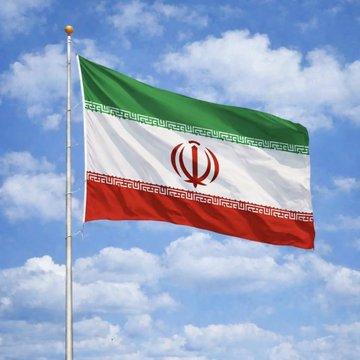

The Threat: Negotiations Conditional on Lebanon
Iranian officials have made clear that their participation in upcoming high-level talks—scheduled to take place in Islamabad between US and Iranian delegations—is now conditional on a cessation of Israeli military operations against Lebanon.
According to statements from Iranian leadership:
“The continuation of these actions will render negotiations meaningless.” — President Masoud Pezeshkian
“Our hands remain on the trigger. Iran will never abandon its Lebanese sisters and brothers.” — President Masoud Pezeshkian
“If Israel does not stop attacking Lebanon, Iran could walk away from the two-week ceasefire arrangement entirely.” — Iranian parliamentary sources
The threat is not merely rhetorical. Iran has already demonstrated its willingness to respond to perceived violations: following Israeli strikes on Lebanon, Iranian state media announced that the Strait of Hormuz was “fully closed” again, and one vessel reportedly turned around mid-transit after Iranian forces blocked its passage .
The Trigger: Israeli Strikes Intensify
The Iranian threat comes in response to a significant intensification of Israeli military operations against Hezbollah targets in Lebanon—operations that have continued and even expanded since the US-Iran ceasefire was announced on April 7.
| Indicator | Scale |
|---|---|
| Single-day death toll (April 8) | 203+ killed |
| Single-day wounded (April 8) | 1,000+ wounded |
| Total killed since March 2 | 1,739+ |
| Total wounded since March 2 | 5,873+ |
| Beirut suburbs evacuation order | Multiple neighborhoods, including near airport |
Source: Lebanese Health Ministry, IDF statements
The Israeli military has also issued urgent evacuation warnings for southern Beirut suburbs, including areas adjacent to Rafic Hariri International Airport—Lebanon’s only civilian airport. The IDF has stated it is targeting Hezbollah military infrastructure embedded within the densely populated Dahiyeh district .
The Core Dispute: Does the Ceasefire Include Lebanon?
The Iranian threat to halt negotiations exposes the fundamental disagreement that has plagued the ceasefire from its inception. The parties remain irreconcilably divided:
| Party | Position on Lebanon’s Inclusion | Implication |
|---|---|---|
| Iran | Ceasefire includes Lebanon; Israeli strikes are violations | Attacks on Lebanon justify Iranian response or withdrawal |
| Pakistan | Ceasefire applies “everywhere, including Lebanon and elsewhere” | Mediator supports Iran’s interpretation |
| United States | Lebanon not part of the deal | No US obligation to restrain Israel |
| Israel | Ceasefire “does not include Lebanon”; Hezbollah not covered | Military operations can continue |
This dispute is not a minor technicality. It goes to the heart of what each party believes they agreed to:
- Iran and Pakistan believe the ceasefire was intended to pause all hostilities across the region, including those involving Iran’s allies and proxies.
- The United States and Israel believe the ceasefire applies only to direct US-Iran military exchanges, leaving Israel free to continue its campaign against Hezbollah.
As one analyst noted, “what the United States is saying differs significantly from what the Iranians are saying. The Iranians are casting this as a full capitulation on the part of the United States” .
The ‘Rendering Negotiations Meaningless’ Warning
President Pezeshkian’s statement that continued Israeli strikes “will render negotiations meaningless” carries specific diplomatic and strategic implications:
1. Potential Boycott of Islamabad Talks
Iran may refuse to send its delegation to the scheduled negotiations in Islamabad, or may send representatives without authorization to make meaningful concessions.
2. Reduced Iranian Flexibility
Even if Iran does participate, the threat signals that Tehran will approach the talks with maximum demands and minimum willingness to compromise.
3. Collapse of Broader Mediation
Pakistan has been working to secure not only the US-Iran ceasefire but also separate truces for Lebanon and Yemen. An Iranian withdrawal would likely derail these parallel efforts.
4. Return to Full-Scale Conflict
If negotiations become “meaningless,” the two-week ceasefire window will expire without a more durable framework, potentially triggering a return to the full-scale hostilities that characterized the previous six weeks.
Pakistan’s Mediation Efforts Under Strain
The Iranian threat places Pakistan’s mediation efforts under unprecedented strain. Islamabad has invested significant diplomatic capital in securing the initial ceasefire and in preparing for the upcoming talks .
Prime Minister Shehbaz Sharif and Chief of Army Staff Field Marshal Asim Munir have been in constant contact with both Iranian and Lebanese leadership. Lebanon’s Prime Minister Nawaf Salam directly appealed to Sharif for support, seeking Islamabad’s help to “push for an immediate halt to the attacks against Lebanon and its people” .
Pakistan has taken extraordinary measures to prepare for the talks, including:
- Locking down the capital
- Establishing a 3-kilometer security zone around the Serena Hotel
- Requisitioning the hotel and asking all existing guests to leave
- Deploying additional security forces throughout Islamabad
If Iran follows through on its threat to halt negotiations, this significant diplomatic investment could be rendered moot.
Hezbollah’s Role: The Proxy Question
The Iranian threat also raises fundamental questions about Hezbollah’s status in the conflict. Is Hezbollah an independent actor, or is it an extension of Iranian military power?
Iran’s position is clear: Hezbollah is an integral part of the “Axis of Resistance” and attacks on the group are attacks on Iran. Tehran has long provided Hezbollah with weapons, training, and financial support, and Iranian leaders have repeatedly stated that Lebanon’s security is Iran’s security.
Israel’s position is equally clear: Hezbollah is a terrorist organization that threatens Israeli civilians, and Israel has the right to defend itself regardless of any US-Iran agreement. Prime Minister Netanyahu has stated that Hezbollah is “not part of the ceasefire deal signed with Iran” .
The United States has largely supported Israel’s position, though some US officials have privately expressed concern that continued fighting in Lebanon could unravel the broader ceasefire .
This disagreement is not academic. It directly determines whether Israel’s strikes on Lebanon are considered “ceasefire violations” (Iran’s view) or “legitimate self-defense against a separate threat” (Israel’s view).
The Strait of Hormuz Connection
Iran’s threat to halt negotiations is closely linked to the status of the Strait of Hormuz, which remains effectively closed despite the ceasefire announcement. Iran has imposed strict conditions on any reopening:
- No more than 15 ships per day permitted to transit
- Prior approval required from the IRGC
- Vessels must use designated routes along the Iranian coast
- Proposed transit fees of approximately $1 per barrel
These restrictions have already caused significant economic damage. ADNOC CEO Sultan Al Jaber has stated that approximately 230 oil-laden vessels are currently loaded and waiting to sail, representing a massive backlog of global energy supply .
If Iran withdraws from negotiations entirely, the strait could become even more restricted or closed completely, triggering another surge in global energy prices.
International Reactions: Calls for Restraint
The international community has responded to Iran’s threat with alarm, though specific reactions have varied.
United Nations: Secretary-General Antonio Guterres has called for “maximum restraint” from all parties and urged that the ceasefire framework be preserved.
European Union: EU officials have expressed concern that continued fighting in Lebanon could destabilize the entire region and have called for “all parties to respect the spirit of the ceasefire agreement.”
Russia: Moscow, which has its own strategic interests in the region, has called for “dialogue and de-escalation” without explicitly criticizing either Iran or Israel.
China: Beijing has expressed hope that all parties will “exercise restraint” and work toward a diplomatic resolution.
Arab States: Gulf nations, including Saudi Arabia and the UAE, have largely remained silent, though privately they are believed to be deeply concerned about any collapse of the ceasefire that could lead to renewed Iranian attacks on their territory.
What Happens Next: Scenarios and Timelines
The coming hours and days will determine whether Iran’s threat becomes reality. Several scenarios are possible:
Scenario 1: Israeli De-escalation
Israel scales back or pauses its Lebanon operations, allowing Iran to claim the ceasefire has been restored. The Islamabad talks proceed as scheduled. This is the outcome most desired by international mediators but appears unlikely given Israel’s stated position.
Scenario 2: Managed Tension
Israel continues limited operations but avoids major strikes that would force Iran’s hand. Iran protests but does not withdraw from negotiations, preserving the broader diplomatic process while tensions remain high.
Scenario 3: Iranian Withdrawal
Iran follows through on its threat and halts negotiations. The broader US-Iran ceasefire collapses, the Strait of Hormuz remains closed or tightens further, and the region returns to full-scale war.
Scenario 4: Negotiated Lebanon Track
The Islamabad talks produce a framework that explicitly addresses Lebanon, perhaps through a separate track of negotiations between Israel and Lebanon or through the integration of Hezbollah into the broader ceasefire architecture.
Key Deadlines to Watch
| Event | Timing | Significance |
|---|---|---|
| Islamabad talks | Scheduled to begin | Iran’s participation now in question |
| Two-week ceasefire | 12 days remaining | Collapse could occur before expiration |
| Asset unfreezing demand | Two-week window | Iranian condition for continued compliance |
| UN Security Council resolution | No fixed date | Iran demands codification of war’s end |
Conclusion: A Ceasefire on the Edge
Iran’s threat to halt negotiations if attacks on Lebanon continue represents the most serious challenge to the fragile US-Iran ceasefire since its announcement. The fundamental disagreement over whether the truce applies to Lebanon—a dispute that has simmered since day one—has now reached a crisis point.
For Iran, continued Israeli strikes on Lebanese territory are not just a separate conflict but a direct assault on an Iranian ally and a fundamental breach of what Tehran believed it had agreed to. For Israel, the campaign against Hezbollah is a matter of national security that cannot be outsourced to a US-Iran agreement that explicitly excluded the group.
The coming days will determine whether Pakistan’s mediation efforts can bridge this gap—or whether the ceasefire, barely 48 hours old, becomes another casualty of the region’s entrenched divisions.
As President Pezeshkian warned, “Our hands remain on the trigger.” The question now is whether diplomatic channels can prevent Iran from pulling it.
Frequently Asked Questions (FAQs)
1. What did Iran threaten regarding negotiations?
Iran has threatened to halt upcoming negotiations—scheduled to take place in Islamabad between US and Iranian delegations—if Israeli attacks on Lebanon continue. President Pezeshkian stated that continued strikes “will render negotiations meaningless” .
2. Why is Iran linking negotiations to Lebanon?
Iran considers Hezbollah an integral part of its “Axis of Resistance” and believes the ceasefire was intended to include Lebanon. Tehran views Israeli strikes on Lebanese territory as violations of the ceasefire agreement .
3. Does the ceasefire apply to Lebanon according to the US and Israel?
No. The United States and Israel have explicitly stated that Lebanon is not included in the ceasefire. Prime Minister Netanyahu has said the ceasefire “does not include Lebanon” and that Hezbollah is “not part of the deal” .
4. What has been happening in Lebanon?
Israel has conducted intense airstrikes across Lebanon, killing over 250 people in a single 24-hour period. The IDF has issued evacuation orders for southern Beirut suburbs, including areas near Rafic Hariri International Airport .
5. What is Pakistan’s role in this situation?
Pakistan brokered the initial US-Iran ceasefire and is scheduled to host upcoming negotiations in Islamabad. Prime Minister Shehbaz Sharif has been in contact with both Iranian and Lebanese leadership, attempting to mediate the crisis .
6. What does “rendering negotiations meaningless” mean?
The phrase signals that Iran may boycott the Islamabad talks, participate without authorization to compromise, or approach negotiations in bad faith. It is a warning that continued Israeli strikes could cause the entire diplomatic process to collapse .
7. What does “hands remain on the trigger” mean?
The phrase indicates that Iran remains militarily ready to respond to perceived violations. Iranian missile forces, drone units, and naval assets remain on high alert despite the ceasefire announcement .
8. Has Hezbollah responded to Israeli strikes?
Yes. Hezbollah has resumed rocket, missile, and drone attacks on Israeli targets after a brief pause following the ceasefire announcement. The group has targeted Israeli settlements and military positions .
9. What is the status of the Strait of Hormuz?
The strait remains effectively closed despite the ceasefire. Iran has imposed a strict limit of 15 ships per day, requiring prior IRGC approval. Following Israeli strikes on Lebanon, Iranian state media announced the strait was “fully closed” again .
10. What happens if Iran halts negotiations?
If Iran withdraws from negotiations, the two-week ceasefire could collapse, the Strait of Hormuz could remain closed or tighten further, and the region could return to full-scale war. Iran has warned it is “fully prepared to resume combat” with even greater intensity .
Stay informed with Reflecto News – Your trusted source for breaking diplomatic and geopolitical intelligence. Subscribe for real-time updates on the fragile US-Iran ceasefire and the crisis threatening to derail negotiations.