Reflecto News is an online news platform covering major international political events, global economic developments, and security conflicts. The site provides updates on topics such as Chinese manufacturing dominance, Middle Eastern political tensions, and high profile legal arrests. Readers can access current articles organized by categories like World News, Iran, and USA.
Reflecto News – April 8, 2026
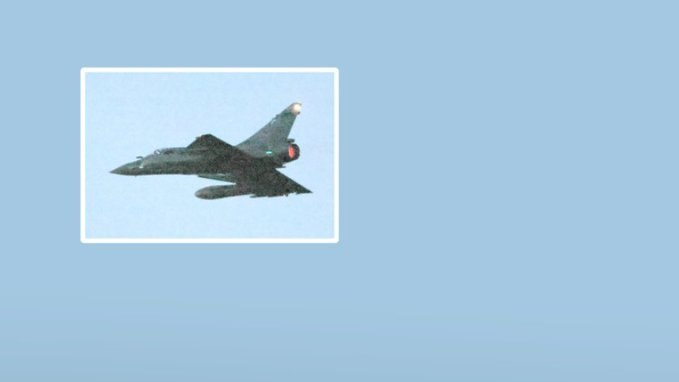
Iranian military sources have accused the United Arab Emirates (UAE) of direct involvement in today’s attack on the Lavan Island refinery, claiming that UAE-operated Mirage-2000-9 fighter jets participated in the strikes. The allegations come hours after the fragile two-week US-Iran ceasefire was announced, with Iranian state media reporting explosions and a fire at the strategic oil facility in the Persian Gulf.
The US has reportedly told Iranian intermediaries that the strikes were not linked to American or Israeli forces, according to diplomatic sources.
What Happened at Lavan Island
Lavan Island, located in the Persian Gulf off Iran’s southern coast, hosts a key oil refinery and export terminal operated by the National Iranian Oil Company. Iranian state television and the Iranian Oil Refining and Distribution Company confirmed an “enemy attack” caused explosions and a fire at the facility, though initial reports indicated no casualties.
Iranian military sources, cited by outlets close to the IRGC, specifically pointed to Mirage-2000-9 jets — advanced variants operated by the UAE Air Force — as having taken part in the operation. They described the involvement as evidence that the UAE has “entered the war” on the side of the US and Israel.
The UAE has not issued an immediate public response to the specific claim regarding its Mirage jets.
US Denial and Diplomatic Messaging
According to reports, US officials conveyed to Iranian channels that the strikes on Lavan Island were not carried out by or coordinated with American or Israeli forces. This message appears aimed at preventing further escalation and preserving the fragile ceasefire framework, which includes a planned limited reopening of the Strait of Hormuz.
Israel has also denied involvement. An Israeli military spokesperson stated clearly: “No, we weren’t involved.”
Context Within the Fragile Ceasefire
The alleged attack occurred shortly after the announcement of the two-week conditional ceasefire mediated by Pakistan. Key points of tension include:
- Iran has suspended tanker passage through the Strait of Hormuz in protest over continued Israeli strikes on Hezbollah in Lebanon.
- Iran has conditioned its participation in Friday’s direct talks in Islamabad on a ceasefire in Lebanon.
- The White House has clarified that Iran’s published 10-point plan is not the actual agreed deal.
- President Trump and Israel maintain the ceasefire does not cover operations against Hezbollah.
This latest incident adds significant strain, raising questions about whether the pause can hold amid accusations of third-party involvement and proxy escalation.
Strategic Importance of Lavan Island
Lavan Island is a critical hub for Iranian oil exports and refining. Any sustained damage could further disrupt Iran’s ability to export crude, compounding the economic pressure from the conflict and previous sanctions. It also sits near key shipping lanes in the Persian Gulf, close to the Strait of Hormuz.
Broader Regional Tensions
- Lebanon: Israeli strikes on Hezbollah targets in Beirut and southern Lebanon continue independently of the US-Iran truce.
- Gulf States: The UAE and Kuwait have faced repeated Iranian missile and drone barrages in recent days.
- Energy Markets: The incident risks delaying any limited reopening of the Strait of Hormuz. Qatar’s Ras Laffan LNG complex has already suffered lasting damage (≈17% capacity loss for 3–5 years), with global LNG shortfalls potentially reaching 35 million tons in 2026.
Reactions
- Iran: Views the strike as a direct challenge to the ceasefire and has used it to accuse the UAE of active participation in the conflict.
- United States: Denies involvement and appears focused on containing escalation to protect the Hormuz reopening and upcoming Islamabad talks.
- Israel: Denies responsibility while continuing operations in Lebanon.
- International: Russia has condemned US-Israeli efforts to destabilize Iran, while European voices and the Vatican continue calling for de-escalation.
FAQs on the Lavan Island Attack Allegations
Q1: What is the Lavan Island refinery?
It is a key Iranian oil refining and export facility in the Persian Gulf. Attacks on it could impact Iran’s oil exports and regional energy stability.
Q2: What evidence do Iranian sources cite for UAE involvement?
Iranian military sources claim Mirage-2000-9 jets operated by the UAE participated in the strikes, though independent verification is not yet available.
Q3: Has the US denied involvement?
Yes. The US has reportedly informed Iran that the strikes were not linked to American or Israeli forces.
Q4: How does this affect the ceasefire?
It adds pressure to the fragile two-week pause, especially as Iran has already suspended tanker traffic through the Strait of Hormuz in protest over Lebanon operations.
Q5: What is the status of the Strait of Hormuz?
Iran suspended tanker passage today but had earlier signaled a limited, military-controlled reopening.
Q6: Are U.S.-Iran talks in Islamabad still on?
They remain scheduled for Friday, April 10, but Iran has conditioned participation on a ceasefire in Lebanon.
Reflecto News will continue monitoring developments at Lavan Island, any official UAE or US responses, impacts on the Strait of Hormuz, and the situation in Lebanon as the ceasefire faces new tests.
Stay informed with Reflecto News – Your source for accurate, timely coverage of the multi-front Middle East crisis, energy infrastructure incidents, and their global implications.
Questions people ask
What is China's current share of global manufacturing?
China now accounts for twenty eight percent of global manufacturing. This industrial output exceeds the combined manufacturing production of the United States, Japan, and Germany, making China the leading global industrial power according to recent reports.
Why were Andrew Tate and Tristan Tate arrested in Miami?
Andrew Tate and his brother Tristan Tate were taken into custody in Miami by the United States Marshals Service. They face thirty eight new charges in the United Kingdom, including rape and child pornography offences, and prosecutors are seeking their extradition.
What warning did Moscow issue about oil prices?
Kirill Dmitriev, the Chief Executive of the Russian Direct Investment Fund, warned that a tsunami of skyrocketing oil prices is approaching. Moscow describes this potential energy shock as a major threat to global markets.
What political shift is projected for Benjamin Netanyahu's coalition?
Political polls project that Prime Minister Benjamin Netanyahu's coalition is on track to lose its majority in the upcoming October election. This projection indicates a potential political shift in Jerusalem.
Why did a Russian military aircraft land in Tehran?
A Russian airborne command aircraft, widely known as a doomsday plane, landed in Tehran. The arrival of the aircraft represents a high stakes show of support from Russia for Iran during a period of heightened regional tensions.
What did President Masoud Pezeshkian claim about the United States and Israel?
Iranian President Masoud Pezeshkian claimed that the United States and Israel failed in a forty eight hour plan to topple the Iranian government. He made these statements during a televised address marking two years since his inauguration.