Reflecto News is an online news platform covering major international political events, global economic developments, and security conflicts. The site provides updates on topics such as Chinese manufacturing dominance, Middle Eastern political tensions, and high profile legal arrests. Readers can access current articles organized by categories like World News, Iran, and USA.
JUST IN: French President Emmanuel Macron and South Korean President Lee Jae-myung have agreed to work together toward stabilizing and reopening the Strait of Hormuz once hostilities subside, with both nations emphasizing diplomatic and political measures rather than military force amid the ongoing disruptions from Operation Epic Fury.
By Reflecto News Staff
April 3, 2026
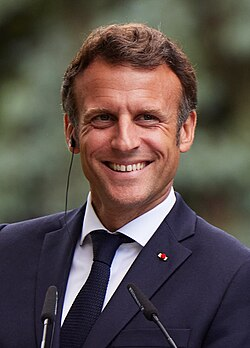
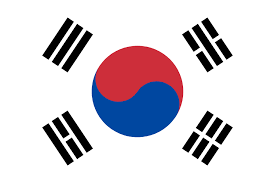
SEOUL – During a bilateral summit in Seoul, President Macron stated that France and South Korea can “do useful things to stabilize the situation in Hormuz, and more broadly once the bombardments have ceased.” The two leaders discussed the Middle East crisis at length and expressed commitment to supporting international efforts to restore freedom of navigation in the critical waterway.
South Korea, a major energy importer heavily dependent on Gulf oil passing through the strait, has joined broader multilateral talks and signaled willingness to contribute to diplomatic and practical solutions for safe passage.
Details of the Agreement
- Cooperation Framework: The two countries will explore joint or coordinated contributions to stabilize the strait, potentially including maritime security support, diplomatic coordination, or technical assistance once a ceasefire or de-escalation creates conditions for safe operations.
- Diplomatic Emphasis: Macron stressed that reopening the strait by force is “unrealistic” and must involve consultation with Iran. He advocated for a ceasefire and resumption of negotiations as prerequisites.
- South Korean Role: Seoul has participated in the UK-hosted virtual meeting of around 35 countries and is engaging in France-led discussions on maritime security. South Korea’s involvement reflects its economic stake in secure energy flows.
This bilateral understanding builds on a larger coalition, including the UK-France-led group that has already issued joint statements condemning disruptions and calling for restored navigation.
Background: The Hormuz Crisis
The Strait of Hormuz remains severely restricted due to Iran’s selective “toll booth” regime, where vessels must undergo IRGC-linked vetting, pay fees (often in yuan or stablecoins), and obtain permits for safe passage. Commercial traffic has dropped sharply, driving up global energy prices and forcing rerouting around Africa.
Contributing factors include:
- Sustained US-Israeli strikes under Operation Epic Fury targeting Iranian military and industrial sites (including the shutdown of Mobarakeh Steel Company and damage to the B1 Bridge in Karaj).
- Iran’s defensive posture, including recent claims of shooting down a US fighter jet and asymmetric actions such as the attack on an Amazon cloud center in Bahrain.
- Iran and Oman drafting a joint protocol for coordinated navigation monitoring.
Gulf states have maximized bypass pipelines, but these offer only partial relief.
Reactions
French Perspective: Macron has pushed back against calls for military operations to force open the strait, favoring dialogue with Iran while coordinating with European and Asian partners.
South Korean Perspective: As a major importer of Gulf energy, South Korea prioritizes secure shipping lanes and has expressed readiness to support multilateral efforts without direct involvement in combat operations.
Iranian Side: Tehran is likely to view additional international involvement skeptically, continuing to blame US-Israeli actions for the disruptions while granting safe passage to select nations like South Africa.
US Perspective: President Trump has called on allies, including France and South Korea, to help secure the strait, suggesting countries benefiting from it should share responsibility.
Broader International Efforts: The development adds momentum to the UK-hosted meeting of around 35 countries and aligns with Germany’s call for China to encourage Iranian negotiations.
Looking Ahead
Whether France and South Korea’s cooperation translates into concrete contributions — such as naval escorts, minesweeping support, or diplomatic pressure — will depend on the trajectory of the conflict. Macron’s emphasis on post-bombardment stabilization suggests any practical help would follow a reduction in hostilities.
As President Trump warns of further intensified strikes (including potential targeting of bridges and power plants), the coming weeks will test whether diplomatic initiatives like this can create space for de-escalation or if military pressure continues to dominate.
Reflecto News will monitor any specific commitments from Paris and Seoul, outcomes from the UK meeting, Iranian responses, and impacts on global energy markets.
Related Coverage on Reflecto News:
- President Trump Warns Bridges and Power Plants Are Next Targets
- Mobarakeh Steel Company Shuts Down All Production Lines
- UK Hosts Meeting of 35 Countries on Reopening Strait of Hormuz
- China Blames US-Israeli Operations for Hormuz Disruptions
- Germany Urges China to Push Iran Toward Negotiations
- Iran Grants South African Ships Permission Through Strait of Hormuz
This report is based on statements by President Emmanuel Macron during his visit to South Korea, joint diplomatic announcements, and ongoing international coverage of the Strait of Hormuz crisis.
Questions people ask
What is China's current share of global manufacturing?
China now accounts for twenty eight percent of global manufacturing. This industrial output exceeds the combined manufacturing production of the United States, Japan, and Germany, making China the leading global industrial power according to recent reports.
Why were Andrew Tate and Tristan Tate arrested in Miami?
Andrew Tate and his brother Tristan Tate were taken into custody in Miami by the United States Marshals Service. They face thirty eight new charges in the United Kingdom, including rape and child pornography offences, and prosecutors are seeking their extradition.
What warning did Moscow issue about oil prices?
Kirill Dmitriev, the Chief Executive of the Russian Direct Investment Fund, warned that a tsunami of skyrocketing oil prices is approaching. Moscow describes this potential energy shock as a major threat to global markets.
What political shift is projected for Benjamin Netanyahu's coalition?
Political polls project that Prime Minister Benjamin Netanyahu's coalition is on track to lose its majority in the upcoming October election. This projection indicates a potential political shift in Jerusalem.
Why did a Russian military aircraft land in Tehran?
A Russian airborne command aircraft, widely known as a doomsday plane, landed in Tehran. The arrival of the aircraft represents a high stakes show of support from Russia for Iran during a period of heightened regional tensions.
What did President Masoud Pezeshkian claim about the United States and Israel?
Iranian President Masoud Pezeshkian claimed that the United States and Israel failed in a forty eight hour plan to topple the Iranian government. He made these statements during a televised address marking two years since his inauguration.