Reflecto News | Breaking News | Iran Economy
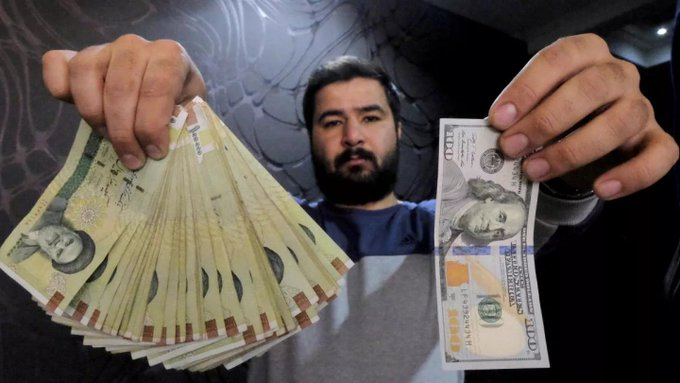
TEHRAN — The Iranian rial has plunged to an unprecedented low, trading at approximately 1.8 million rials per U.S. dollar on the open market, as a crippling U.S. naval blockade and stalled diplomatic efforts continue to suffocate the nation’s economy despite a fragile ceasefire with Israel and the United States .
According to reports from Iranian media, the dollar traded above 1,810,000 rials on Wednesday, accelerating a decline that began just two days prior. The euro surged past 2,080,000 rials, while the British pound climbed above 2.44 million rials .
📉 Key Economic Indicators
| Indicator | Current Value |
|---|---|
| U.S. Dollar | ~1,810,000 rials |
| Euro | ~2,080,000 – 2,110,000 rials |
| British Pound | ~2,440,000 rials |
| UAE Dirham | ~500,000 rials |
| Emami Gold Coin | ~2.08 billion rials |
⚡ From Stability to Collapse: A Two-Month Deterioration
The rial remained relatively stable during the first weeks of the war that began on February 28, largely due to a near-halt in trading and imports. However, as the conflict has dragged on and the U.S. blockade has tightened, the currency has shed significant value .
The decline marks a sharp reversal. On February 25—the last working day before the war—the dollar stood at approximately 1.65 million rials on the open market. In just over two months, the rial has lost nearly 10% of its value, worsening what was already one of the world’s most unstable currencies .
🛑 The Blockade Factor
Despite a fragile ceasefire that took effect on April 8—brokered by Pakistan—the U.S. naval blockade of Iranian ports remains firmly in place. This continued economic pressure has choked off a critical source of government revenue by disrupting oil exports, which are essential for both state finances and foreign exchange reserves .
Experts warn that the falling rial is likely to further accelerate inflation in an economy heavily reliant on imports. Essential goods—from food and medicine to electronics and raw materials—are directly exposed to dollar fluctuations .
💰 Real-World Impact on Iranian Households
The currency collapse is already translating into higher prices for everyday items. Over the past two weeks, the cost of basic household goods has been steadily climbing:
- Dairy products (milk, yogurt, cheese)
- Staples (bread, rice, cooking oil)
- Household essentials (detergents)
Economists warn that the inflationary pressure is being driven by a combination of post-war uncertainty, supply chain disruptions, higher transport and production costs, and the continuing impact of the blockade—now compounded by the rial’s latest collapse .
🏭 Job Cuts Mount
The economic stress is now spilling into Iran’s labor market. Reports indicate layoffs have begun across multiple sectors:
- Pinak (Rasht) — approximately 500 workers have lost their jobs since late March
- Borujerd Textile Factory — approximately 700 workers have reportedly been laid off after their contracts were not renewed
These cuts underscore growing fears that companies, squeezed by rising input costs and weakening demand, are beginning to downsize or hold back on hiring .
📊 Long-Term Structural Crisis
Iran’s economy has faced decades of sanctions, chronic inflation, and a widening gap between official and open-market exchange rates. The recent war—which lasted over five weeks—added new strain to businesses, households, and state finances, leaving many struggling to cope with surging costs .
The latest slide comes just months after a previous currency shock helped fuel nationwide protests in January. At that time, the rial weakened from approximately 1.4 million to 1.6 million per dollar in less than a week, deepening public anger over rising prices and fears about the country’s economic future .
Iran’s economy has faced decades of sanctions, chronic inflation, and a widening gap between official and open-market exchange rates. The war, which lasted weeks, added new strain to businesses, households, and state finances.
📋 Key Takeaways
| Aspect | Summary |
|---|---|
| Current Exchange Rate | ~1.8 million rials per USD (record low) |
| Decline from Pre-War | Dropped from ~1.65 million (Feb 25) to current levels |
| Primary Driver | US naval blockade disrupting oil exports and foreign currency reserves |
| Inflation Impact | Expected to accelerate, hitting essential goods (food, medicine) |
| Job Market | Layoffs reported at Pinak (500) and Borujerd Textile (700) |
| Previous Shock | January 2026 protests triggered by similar currency collapse |
Follow Reflecto News for continuous updates on Iran’s economic crisis, the US blockade, and all breaking news from the Middle East.