Reflecto News is an online news platform covering major international political events, global economic developments, and security conflicts. The site provides updates on topics such as Chinese manufacturing dominance, Middle Eastern political tensions, and high profile legal arrests. Readers can access current articles organized by categories like World News, Iran, and USA.
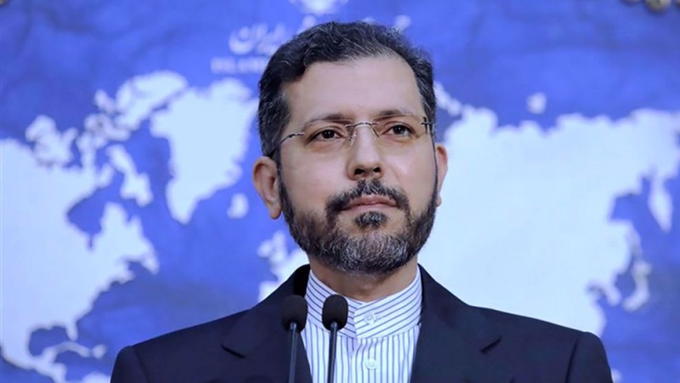
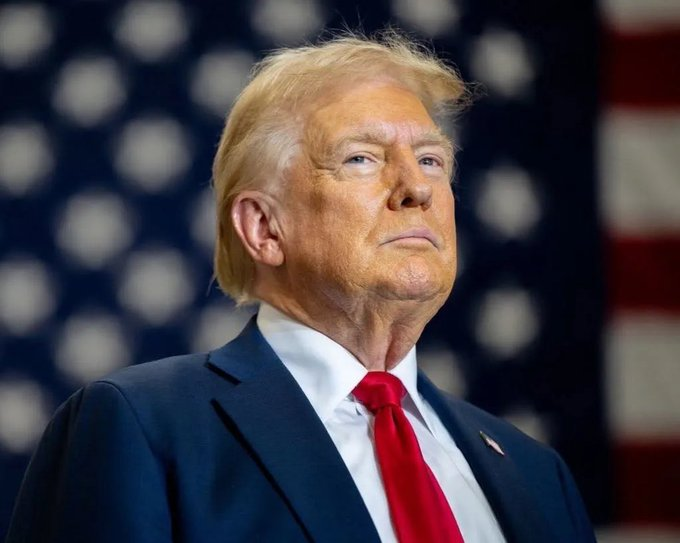
Reflecto News – Iran’s Deputy Foreign Minister Saeed Khatibzadeh has sharply criticized U.S. President Donald Trump, accusing him of talking excessively and issuing contradictory statements amid the ongoing tensions and fragile ceasefire.
Speaking on the sidelines of the Antalya Diplomacy Forum in Türkiye, Khatibzadeh said:
“President Trump talks too much. He said contradictory things within the same statement. I don’t know exactly what he meant.”
The remarks were a direct response to Trump’s recent comments, including his warning that he might not extend the two-week ceasefire and could resume military strikes if no comprehensive deal is reached, as well as his claims that “everything has been agreed to” on key issues such as Iran’s nuclear program and the Strait of Hormuz.
Khatibzadeh downplayed the significance of Trump’s rhetoric while maintaining that Tehran does not seek conflict, stressing that war would bring no meaningful gains for either side. He also reiterated Iran’s position that the U.S. naval blockade of Iranian ports constitutes a violation of the ceasefire and must end for unrestricted commercial passage through the Strait of Hormuz to resume.
Context of the Exchange
Trump has repeatedly portrayed negotiations as progressing well, claiming major concessions from Iran on the nuclear file and the strait. In contrast, Iranian officials have emphasized the need for the U.S. to lift its blockade and have pushed back on assertions of broad agreements. The public divergence highlights the deep mistrust and differing narratives each side presents to its domestic audience.
The comments come as:
- Gunfire was reported against at least two merchant vessels attempting to transit the Strait of Hormuz on Saturday.
- Iran has reimposed strict controls over the waterway.
- High-level U.S.-Iran talks are potentially scheduled for Monday in Islamabad, Pakistan (though the U.S. has not yet confirmed the date).
Implications for Diplomacy
Khatibzadeh’s criticism adds to the war of words that has complicated efforts to stabilize the two-week ceasefire. With the truce already under strain from mutual accusations of violations, such exchanges risk further eroding trust ahead of any new round of negotiations.
Reflecto News will continue monitoring reactions from Washington and Tehran, any confirmation of Monday’s talks in Islamabad, and developments regarding the Strait of Hormuz and the ceasefire.
Frequently Asked Questions (FAQs)
Q1: Who is Saeed Khatibzadeh and what did he say?
He is Iran’s Deputy Foreign Minister. He accused President Trump of talking too much and making contradictory statements within the same message.
Q2: What prompted Khatibzadeh’s comments?
They were a response to Trump’s recent warnings about possibly not extending the ceasefire, resuming strikes, and claims that major agreements have already been reached with Iran.
Q3: How has Iran described Trump’s statements?
Khatibzadeh called them confusing and contradictory, while emphasizing that Iran does not want war but insists the U.S. must lift its naval blockade for normal passage through the Strait of Hormuz.
Q4: What is the current status of the U.S.-Iran ceasefire?
The two-week truce remains technically in effect but is under severe pressure due to the ongoing U.S. blockade, Iran’s restrictions on the strait, and incidents such as reported gunfire on merchant vessels.
Q5: When could the next talks take place?
Iranian sources have indicated a possible new round as early as Monday in Islamabad, Pakistan, though the U.S. side has not yet confirmed the timing.
Q6: How might this affect negotiations?
Public criticisms and contradictory messaging risk further eroding trust and complicating efforts to reach a comprehensive deal on sanctions, the nuclear program, and regional security.
Q7: Has the U.S. responded to Khatibzadeh’s remarks?
No official U.S. response has been reported yet.
For the latest accurate coverage of U.S.-Iran diplomacy, the Strait of Hormuz situation, and related developments, follow Reflecto News — your source for timely and professional reporting.
Questions people ask
What is China's current share of global manufacturing?
China now accounts for twenty eight percent of global manufacturing. This industrial output exceeds the combined manufacturing production of the United States, Japan, and Germany, making China the leading global industrial power according to recent reports.
Why were Andrew Tate and Tristan Tate arrested in Miami?
Andrew Tate and his brother Tristan Tate were taken into custody in Miami by the United States Marshals Service. They face thirty eight new charges in the United Kingdom, including rape and child pornography offences, and prosecutors are seeking their extradition.
What warning did Moscow issue about oil prices?
Kirill Dmitriev, the Chief Executive of the Russian Direct Investment Fund, warned that a tsunami of skyrocketing oil prices is approaching. Moscow describes this potential energy shock as a major threat to global markets.
What political shift is projected for Benjamin Netanyahu's coalition?
Political polls project that Prime Minister Benjamin Netanyahu's coalition is on track to lose its majority in the upcoming October election. This projection indicates a potential political shift in Jerusalem.
Why did a Russian military aircraft land in Tehran?
A Russian airborne command aircraft, widely known as a doomsday plane, landed in Tehran. The arrival of the aircraft represents a high stakes show of support from Russia for Iran during a period of heightened regional tensions.
What did President Masoud Pezeshkian claim about the United States and Israel?
Iranian President Masoud Pezeshkian claimed that the United States and Israel failed in a forty eight hour plan to topple the Iranian government. He made these statements during a televised address marking two years since his inauguration.